Birdorable Bonanza 2025 Bird #10

The Hadada Ibis: An Iconic Voice of Africa
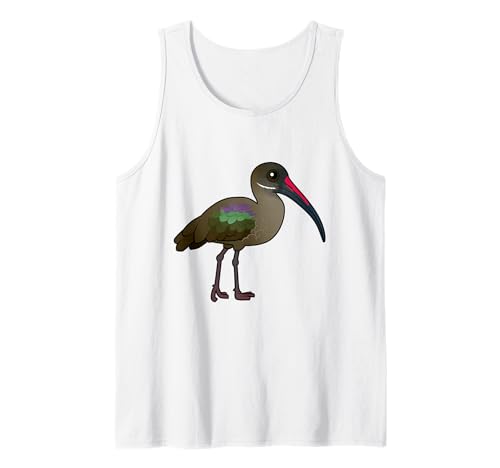
Birdorable Hadada Ibis

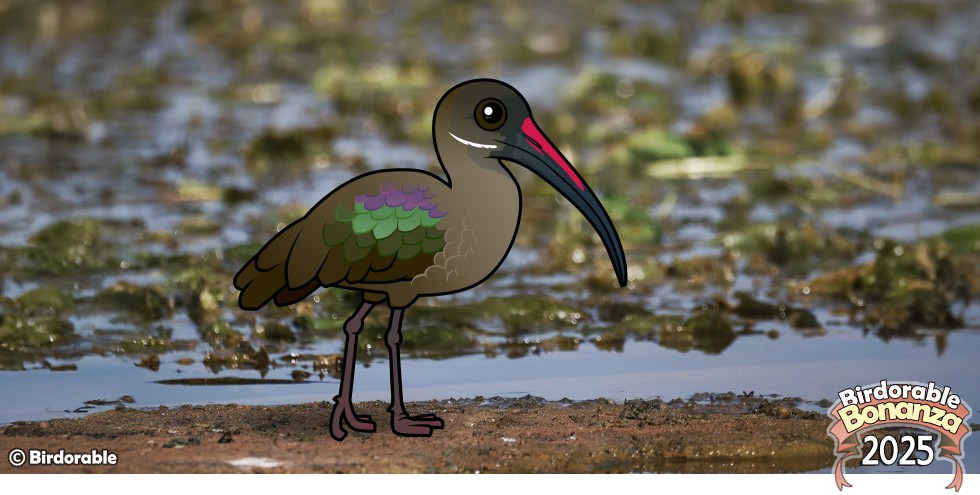
Today our 2025 Birdorable Bonanza comes to a close with the introduction of our 840th species: the Hadada Ibis!

The Hadada Ibis is a large, loud bird found across much of Sub-Saharan Africa. It’s instantly recognizable not only by its size, shape, and slightly curved bill, but also by its unmistakable call, for which it is named: a harsh "haa-haa-haa-de-dah" sound. These birds are often heard flying overhead or calling from rooftops, especially in the early morning or evening.

Hadada Ibises are primarily greyish-brown with an iridescent green or purple sheen on their wings that shines in the sunlight. They have long, sturdy legs and a heavy, curved bill adapted for probing the soil. They often forage in gardens, parks, wetlands, and even along roadsides. Their favorite foods include insects, earthworms, and other invertebrates, which they find by poking their bills into soft ground.

While their calls can be jarring, especially in suburban areas, Hadada Ibises are well-loved by many for their quirky personalities and adaptability. They've taken to urban environments easily, commonly seen in backyards and on golf courses where lawns make great foraging grounds. Their increasing presence in cities shows how well some wild birds can coexist with humans when given the chance.
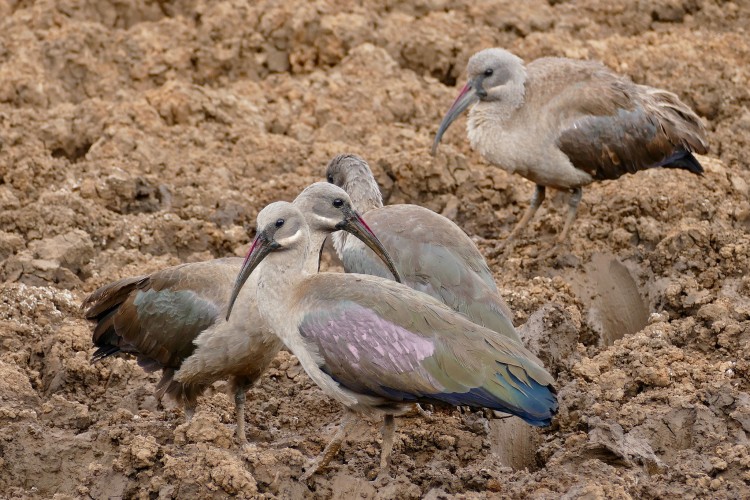
Hadada Ibises by Bernard DUPONT [CC BY-SA 2.0]

In flight, Hadada Ibises display slow, powerful wingbeats and fly with their necks outstretched. They often travel in pairs or small groups and are very vocal while flying. Their noisy habits may not be ideal for light sleepers, but their presence is a reminder of how wildlife can still thrive alongside human activity.

Breeding typically takes place during the rainy season. Hadada Ibises build large stick nests in trees, often close to water. Both parents share duties, including incubating the eggs and feeding the chicks. The young are fed through regurgitation and fledge after about six weeks.

Although not considered threatened, Hadada Ibises benefit from access to open spaces and healthy green areas. Their growing populations in urban areas have even made them unofficial ambassadors of biodiversity in some African cities. While they might be loud neighbors, they're also a fascinating and charismatic part of Africa’s birdlife.

Hadada Ibis Gifts

Birdorable Bonanza 2025 Bird #9

Meet the Snow Bunting: Arctic Breeder, Winter Wanderer

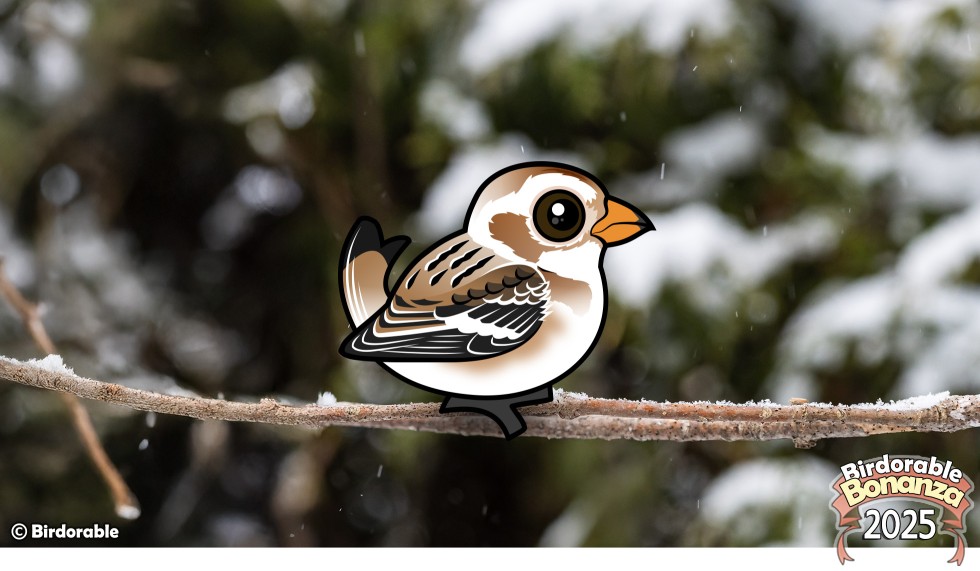
Birdorable Snow Bunting

Meet the 9th bird in our 2025 Birdorable Bonanza: the Snow Bunting! This bird is a true snow-lover, and one of the hardiest small songbirds in the world.

Snow Buntings live by extremes. In summer, they nest far, far to the north, on the high Arctic tundra, often in rocky crevices, boulder fields, or cliff faces where few other songbirds dare to go. When the long days of Arctic spring arrive, males race north first, arriving in March or early April while snow still blankets the ground and temperatures plunge well below freezing.

The males return early to claim the best nesting territories. Females arrive later and build cozy nests lined with moss, grass, fur, or feathers deep inside rock crevices. Once the eggs hatch, both parents feed the chicks, first with insects and small invertebrates, and later with seeds and plant material when available.
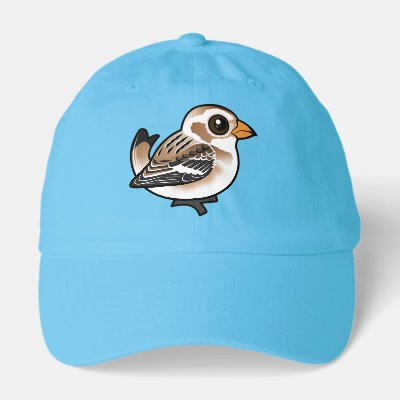
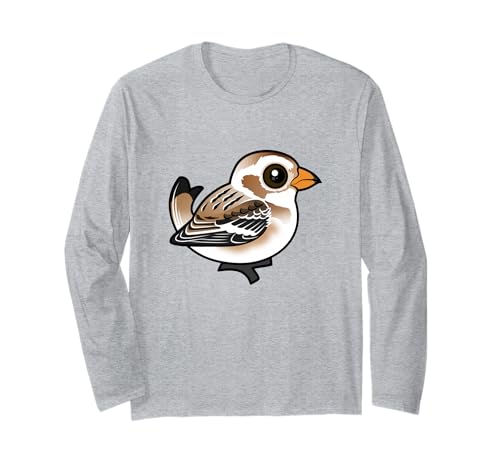
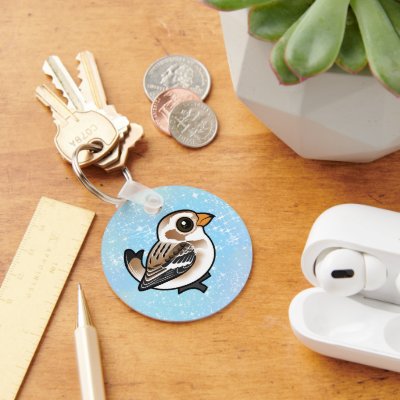
Snow Bunting has a dramatic change in appearance across seasons. In breeding season, males are striking: almost completely white with black on the back, wings, and tail. Females are subtler, with more muted, mottled brownish and gray tones. Outside of breeding season, both sexes adopt a more camouflaged look. Their plumage becomes brownish or rusty on the head and shoulders, which helps them blend into open fields and snowy landscapes as they forage for food. Our Birdorable version of this species features the non-breeding plumage.
When autumn arrives, Snow Buntings migrate south, leaving the frozen tundra for more temperate zones. In North America, they head into southern Canada and the northern United States. In Europe, they spread across northern and central parts of the continent. In winter, they’re often found in open areas like crop fields, shorelines, and coastal dunes, searching for seeds.

For birders, spotting a flock of Snow Buntings in winter is always exciting. They tend to travel in busy, noisy flocks, often bursting into flight with a flash of black-and-white wings. You’ll usually find them in wide open spaces, and their movements can be unpredictable, landing, feeding, and lifting off again within minutes.

The Snow Bunting adds a wintery flair to our growing Birdorable flock. It’s a bird built for survival, thriving in environments where few others dare to go. Whether you see them bouncing along a snowy field or fluttering past in a tight winter flock, they’re a special part of the cold-season birding experience.

Snow Bunting Gifts

You can find new Snow items in our Amazon and Zazzle shops, both linked in our Birdorable store here. Some items from both shops are shared below.

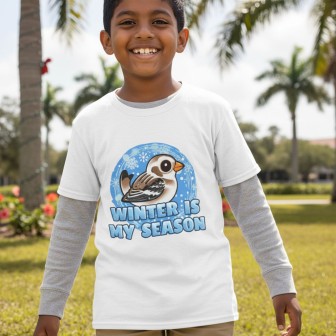
You can also find this "Winter Is My Season" design exclusively in our Etsy shop. Shown here on a kid sized t-shirt, you can also pick up this design on t-shirts, hoodies, and sweatshirts for adults. We can add this design on another garment style or novelty item, please let us know what you'd like to see.

Our 2025 Bonanza is almost done! Tomorrow we'll reveal the 10th and final bird. This species is a bold, noisy character from Africa whose call is unforgettable once you’ve heard it. With a long, curved bill, sturdy build, and a voice that practically announces itself across the neighborhood, this species is hard to miss. Which loud bird will be joining us next?

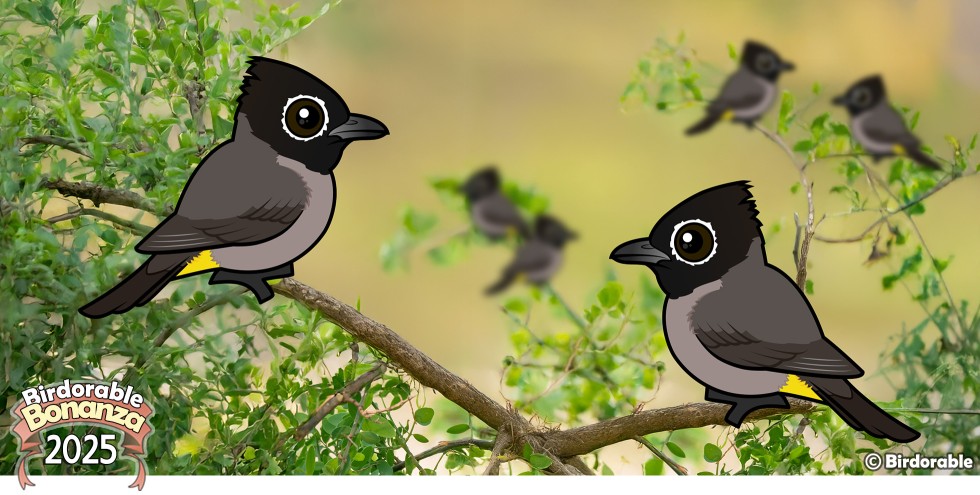
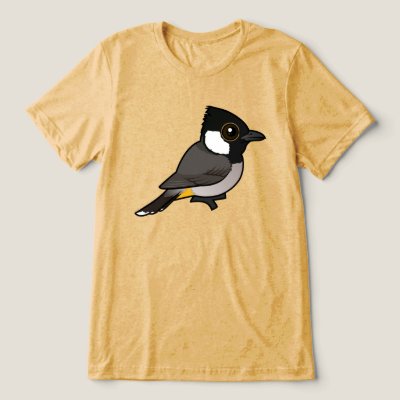
Birdorable White-spectacled Bulbul

We’ve reached bird number eight in our Bonanza, and today's species is totally spec-tacular! Today’s feathered friend is dressed to impress with built-in eye-rings that are always in style. Say hello to the White-spectacled Bulbul

The White-spectacled Bulbul is a small, lively bird that’s a favorite among backyard birders and garden-watchers in the Middle East and surrounding regions. It's the only bulbul within its range, making identification easy.

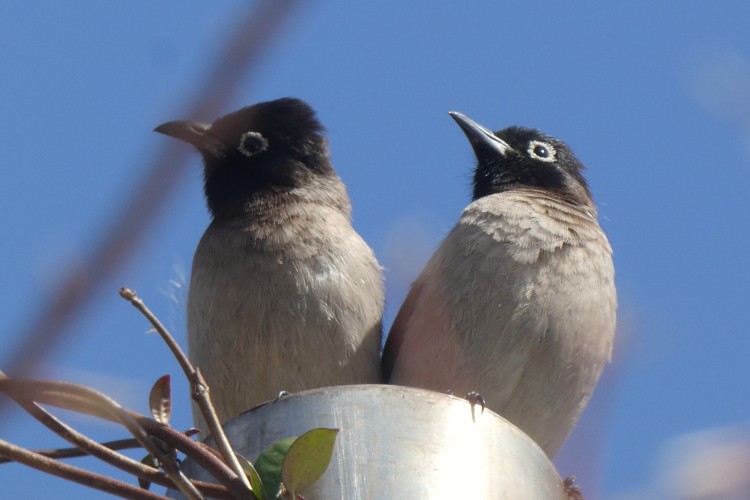
Its most recognizable feature, and the reason for its name, is the bold ring of white around each eye, which stands out against its darker head. The rest of the body is mostly olive-brown or grayish, with a noticeable yellow patch beneath the tail (vent).

White-spectacled Bulbuls are highly adaptable birds. They thrive in a range of habitats, from gardens and orchards to open woodlands and Mediterranean scrub. 

White-spectacled Bulbul by Mike Finn [CC BY 2.0]

These bulbuls are very social and vocal. They often travel in small groups and are quick to announce their presence with cheerful calls and whistles. Their song is melodic and pleasant, especially during the breeding season when males sing from prominent perches.

The White-spectacled Bulbul is omnivorous. It eats fruits, berries, seeds, insects, and sometimes nectar. This flexibility in food choices helps it thrive in both natural and human-altered landscapes.

The species builds a small cup-shaped structure using twigs, leaves, and grasses. Nests are typically hidden in shrubs or trees. A female usually lays between two and four eggs, and both parents share responsibilities when it comes to incubation and chick-rearing.

Both male and female White-spectacled Bulbuls look alike, making them hard to tell apart by appearance alone. Juvenile birds are a bit duller in color and have a less defined white eye-ring, but otherwise resemble adults.

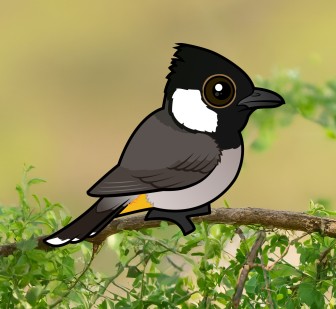
Birdorable White-eared Bulbul

Bonus Bulbul

Brace yourselves for a bonus Birdorable bird! This bright, bouncy, berry-loving bulbul brings bold charm and a bit of boisterous personality. With its crisp white ear patch and bubbly behavior, the White-eared Bulbul is bound to become a beloved addition to our Birdorable bunch.

Read more about the White-eared Bulbul

Bulbul Gifts

You can find new White-spectacled Bulbul and White-eared Bulbul items in our shop. Some items featuring both birds are shared below.

You can also find this funny "Bulbuling with Excitement" design exclusively in our Etsy shop. Shown here on an adult sized t-shirt, you can also pick up this design on t-shirts for kids, and adult sized sweatshirts & hoodies, all in a choice of four different colors. We can add this design on another garment style or novelty item, please let us know what you'd like to see.

Tomorrow's new bird comes from cold, wide open places and wears a snowy outfit that blends perfectly with winter landscapes. It’s a hardy little traveler with warm brown patches and bright white feathers that shine against the frost. Which chilly charm of the north will be joining us next?

Birdorable Bonanza 2025 Bird #7

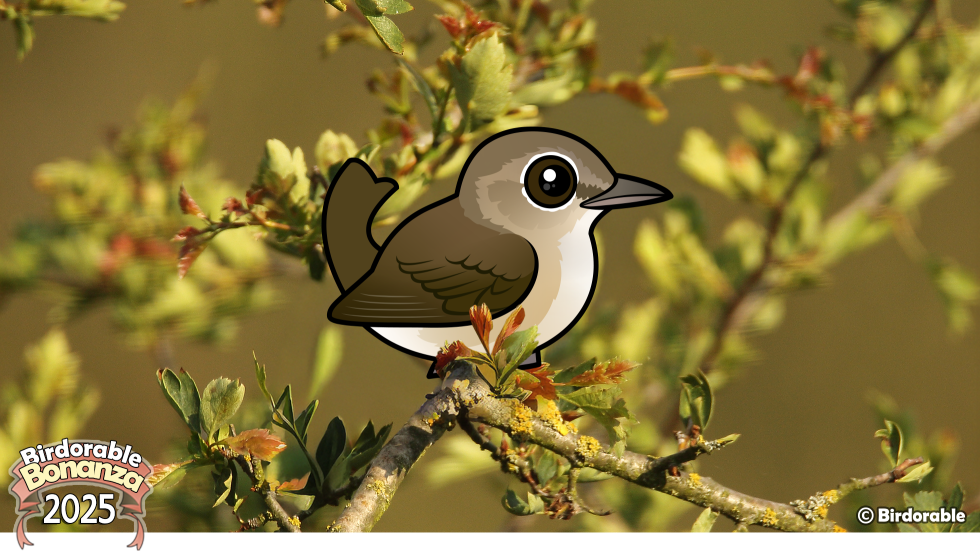
Meet the Secret Garden Warbler

Birdorable Garden Warbler

We’re warbling with excitement to bring you the seventh bird in our Birdorable Bonanza! Join us in saying hello to the Garden Warbler

The Garden Warbler is a small, shy songbird that’s more often heard than seen. Despite its name, it doesn’t necessarily prefer gardens. Its favorite habitats include woodlands, forest edges, and dense scrub. You’ll usually find Garden Warblers across much of Europe during the breeding season, and they migrate to sub-Saharan Africa for the winter.

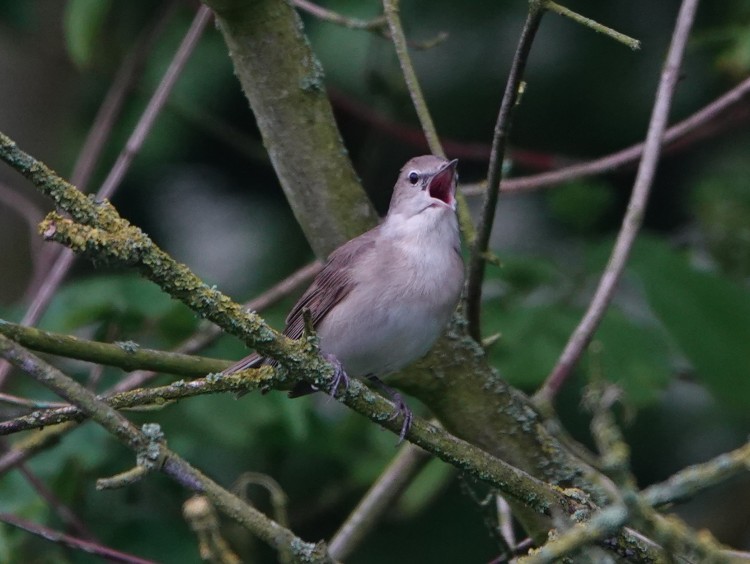
This bird has a rather plain appearance, which can make it difficult to identify. It has a soft brown back and pale underparts, with no obvious markings. Unlike some other warblers, the Garden Warbler doesn’t have wing bars or eye-stripes. This subtle coloring helps it stay hidden as it moves through foliage.

What it lacks in flashiness, it makes up for in song. The Garden Warbler’s voice is rich, smooth, and melodic, often compared to the Blackcap, another member of the same genus. In fact, their songs are so similar that they can be confusing even for experienced birders. 

Garden Warber (Tuinfluiter) by Gertjan van Noord [CC BY-ND 2.0]

Garden Warblers feed mainly on insects during the breeding season, including caterpillars, beetles, and flies. In the late summer and early fall, they switch to a fruit-based diet, often gorging on berries to prepare for migration. They are known to fatten up significantly before their long journey to Africa.

These warblers build their nests close to the ground, usually in dense vegetation. The nest is a cup-shaped structure made of grasses and other plant materials. The female lays between 4 and 5 eggs, and both parents take part in feeding the chicks.

Despite being widespread, Garden Warblers are quite secretive. They often stay hidden in shrubs or trees, even when singing. If you want to spot one, listening is your best bet. Learn their song and patiently scan the vegetation where you hear it coming from.

The Garden Warbler’s understated look and elusive behavior might cause it to be overlooked, but birders in the know appreciate its beautiful song and interesting life cycle. If you're lucky enough to hear or spot one, take a moment to enjoy one of Europe's more modest, but still fascinating, songbirds.

Garden Warbler Gifts

You can find new Garden Warbler items in our Amazon and Zazzle shops, both linked in our Birdorable store here. Some items from both shops are shared below.

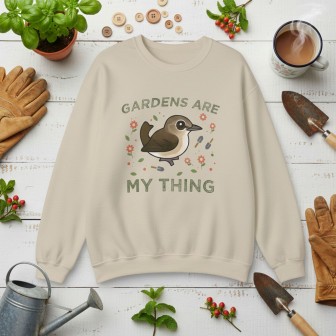
You can also find this "Gardens Are My Thing" design exclusively in our Etsy shop. When you're a garden specialist, even if the bird is so in name only. Shown here on an adult sized sweatshirt, you can also pick up this design on t-shirts for adults and kids, and adult sized hoodies, all in a choice of different colors. We can add this design on another garment style or novelty item, please let us know what you'd like to see.

We're in the final countdown! The 8th bird of our Bonanza will be revealed tomorrow. Our next bird is a lively songster from around the Middle East, easily recognized by and partially named for a bright little ring that highlights its eye. Which charming crested bird with a distinctive look and repetition in its family name will be joining us next?

Birdorable Bonanza 2025 Bird #6

Get to Know the Canvasback: A Big North American Diving Duck

Birdorable Canvasback

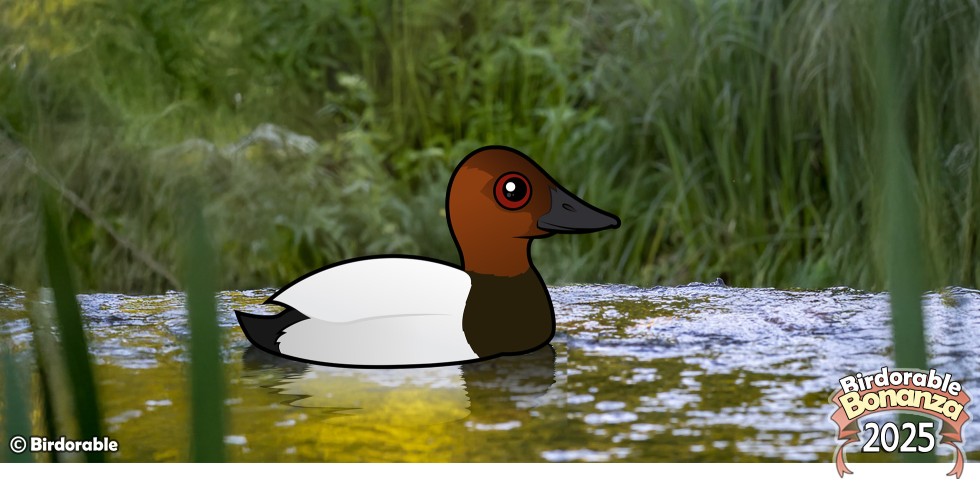
We’re diving headfirst into day six of our Birdorable Bonanza with a quacking new addition! The Canvasback paddles its way into our flock, bringing sleek style and ducky charm. Get ready to fall for this unique diving duck!

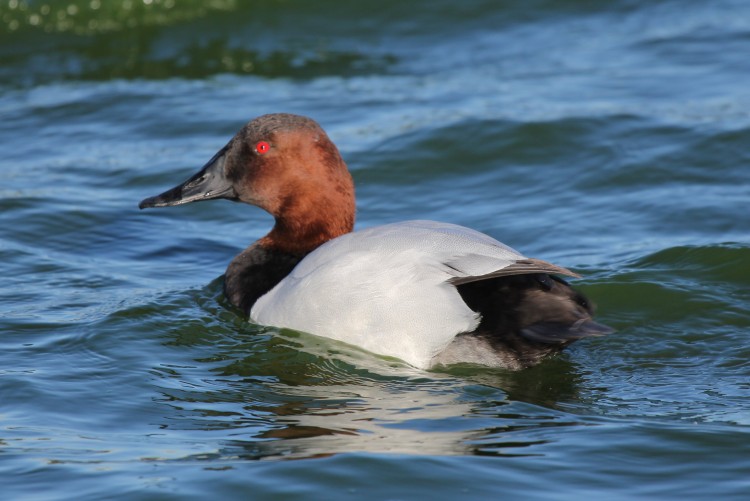
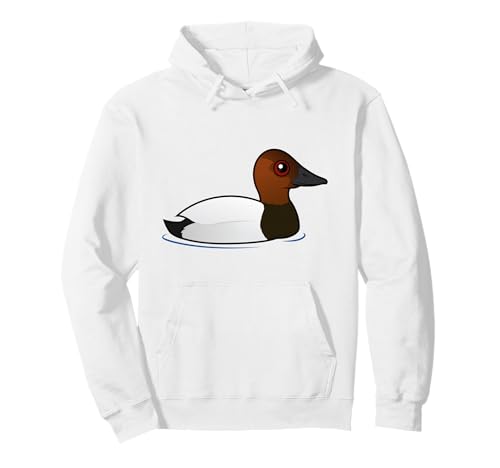
The Canvasback is a striking diving duck native to North America, easily recognized by its sloping forehead, red eyes, and long, dark bill. Males have a rich chestnut-red head and neck, black chest, and light grayish-white body, which looks almost canvas-colored, hence the name. Females are more muted, with brownish heads and pale bodies. Both sexes have a sleek profile that helps them dive with ease. On both sexes, the long sloping profile from the top of the head down to the bill is unlike most other ducks, giving it a sleek, aerodynamic look. This feature, combined with its bold plumage, makes it a favorite among birders and wildlife photographers.

Canvasbacks breed mainly in the prairie pothole region of Canada and the northern United States. They prefer wetlands with dense aquatic vegetation, where they build floating nests anchored to reeds or cattails.

Canvasbacks are part of the diving duck group, meaning they dive underwater to forage for food instead of dabbling at the surface like some other ducks. These ducks rely heavily on plants like wild celery, pondweeds, and tubers for food during the breeding season. Wild celery is especially important, offering the nutrients they need for successful nesting and rearing of ducklings. In fact, part of their scientific name, Aythya valisineria, is taken from the scientific name of wild celery, Vallisneria americana.

Canvasback by Jason Crotty [CC BY 2.0]

In winter, Canvasbacks migrate to the southern U.S. and parts of Mexico. They are considered strong fliers and can reach speeds up to 70 mph in flight. Their powerful build helps them cover long distances during migration. They gather in large numbers on lakes, reservoirs, and coastal bays, especially along the Gulf Coast and the Chesapeake Bay. They often mix with other diving ducks like Redheads and Scaup. Canvasbacks are powerful divers and swimmers, using their large webbed feet to reach aquatic plants below the water’s surface.

Once considered one of the most prized game birds in North America, Canvasback populations dropped in the early 1900s due to overhunting and habitat destruction. Conservation efforts, including hunting regulations and wetland protection, have helped their numbers recover to some extent. However, ongoing threats like climate change and habitat degradation continue to challenge their survival. Protecting breeding and wintering areas remains essential for the species.

Canvasback Shirts & Gifts

You can find new Canvasback items in our Amazon and Zazzle shops, both linked in our Birdorable store here. Some items from both shops are shared below.

It's time to get ready for tomorrow’s Birdorable Bonanza reveal! Our next little singer may not be the showiest bird in the patch, but it’s full of charm and loves a leafy hideaway. Subtle colors, sweet songs, and a name that hints at a favorite hangout, though its not always found in gardens. Can you guess which Old World bird is joining us next?

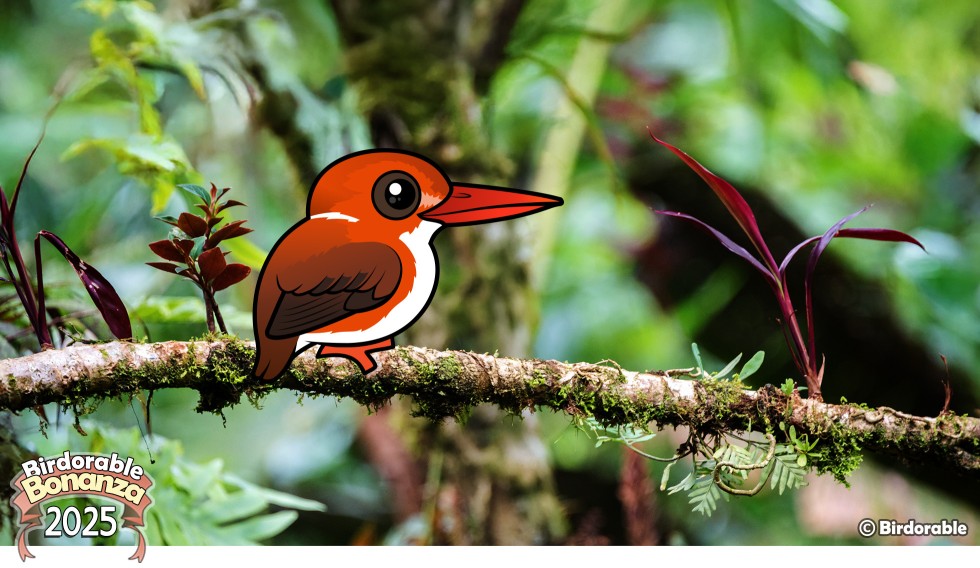
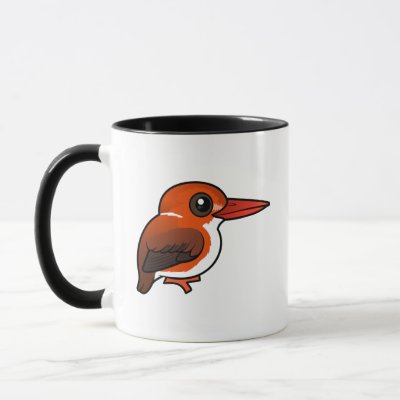
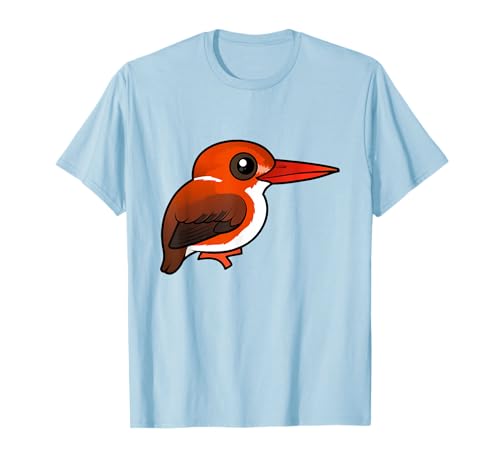
Birdorable Madagascar Pygmy Kingfisher

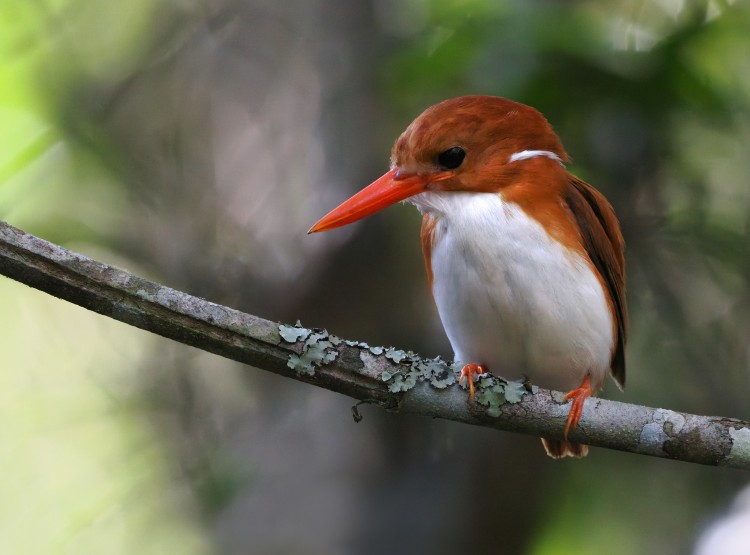
The Madagascar Pygmy Kingfisher is a tiny, colorful bird found only on the island of Madagascar. With its bright orange and white plumage, it’s one of the most striking little birds in the forests it calls home. Measuring just about 5 inches long, it lives up to its “pygmy” name.

The Madagascar Pygmy Kingfisher is not actually a fishing bird. Instead, it feeds mostly on frogs, insects, and small invertebrates. It hunts in forested areas, often sitting quietly before darting out to grab prey from the ground or low vegetation.

The bird's vivid colors serve as camouflage in its dense rainforest environment. Its bright orange back, crown, and underparts can blend surprisingly well with the filtered light of the forest floor. 

Endemic to Madagascar, this bird lives in primary and secondary tropical moist forests. Widely distributed across much of the island, the Madagascar Pygmy Kingfisher is currently not considered to be at high conservation risk. 

Madagascar Pygmy Kingfisher by Frank Vassen [CC BY 2.0]

It nests in burrows dug into earthen banks. These underground nests help protect eggs and chicks from predators and harsh weather. Little is known about their breeding habits due to lack of study.

Madagascar is home to many unique bird species due to its long geographic isolation, and the Madagascar Pygmy Kingfisher is one of its many endemic gems. Conservation efforts aimed at preserving Madagascar’s forests help protect this charming little bird and countless other species found nowhere else on Earth.

Madagascar Pygmy Kingfisher Apparel & Gifts

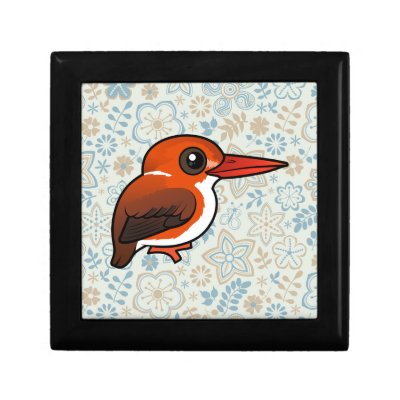
You can find new Madagascar Pygmy Kingfisher items in our Zazzle shop, all linked in our Birdorable store here. Some items from both shops are shared below.

You can also find this funny Small But Mighty design exclusively in our Etsy shop. Shown here on a gold kid's shirt, you can also pick up this design on t-shirts for adults, and adult sized hoodies and sweatshirts, all in 3-4 different color choices. As always, if you'd like to see this design on another garment style or novelty item, please let us know!

Tomorrow our Bonanza will continue when we reveal another new species! Our next bird is known for its classy profile and smooth good looks, and it really knows how to quack up a crowd. Which handsome waterfowl could it be?

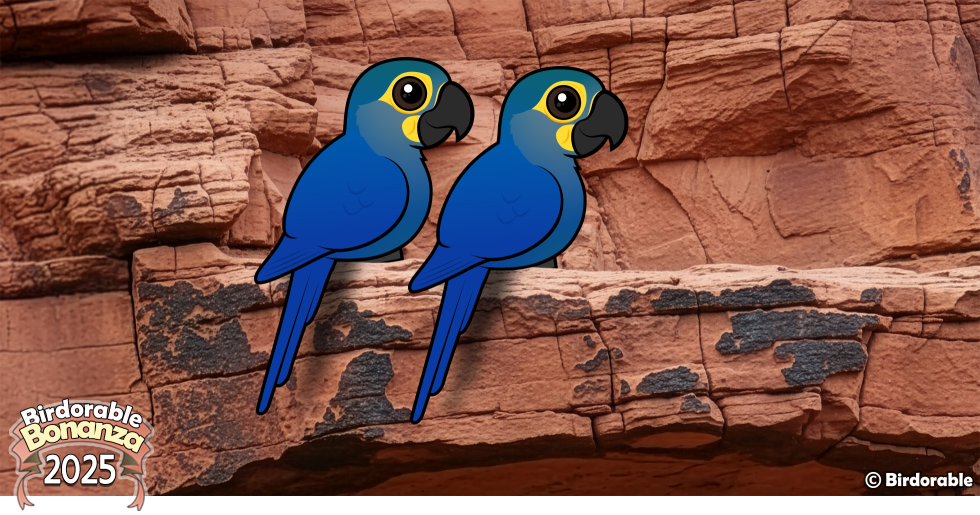
Birdorable Indigo Macaw

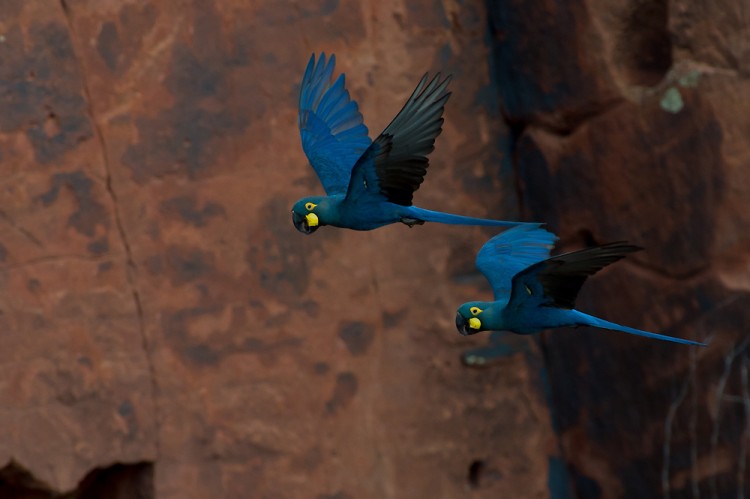
Today we’re excited to add a parrot to our family as part of our Bonanza. Help us welcome the Indigo Macaw to our parrot flock! This striking blue macaw, also known as Lear's Macaw, isn’t just a feast for the eyes, it also carries a fascinating story that makes it a perfect new addition to Birdorable.

The Indigo Macaw is one of the world’s rare blue macaws, a large parrot from northeast Brazil in South America. Its feathers are a deep metallic blue with a subtle greenish shade, and its head may appear slightly paler. A distinctive pale-yellow patch adorns the base of its strong black beak, and bright yellow eye-rings add a flash of contrast.

You might wonder about the Indigo Macaw's alternative common name. Why “Lear’s” Macaw?  Who was Lear? The name honors Edward Lear, a 19th-century English poet, illustrator, and bird-lover. As a teen in the early 1830s, Lear published a book filled with drawings and paintings of parrots in captivity. One of those illustrations resembles what we now know as Lear’s Macaw, though at the time it was mistakenly labeled as a Hyacinth Macaw, another large blue beauty. It wasn’t until 1856 that the French ornithologist Charles Lucien Bonaparte formally described the species and gave it its scientific name, Anodorhynchus leari, in honor of Lear’s earlier work.

Indigo Macaws by Joao Quental [CC BY 2.0]

Despite appearing in art and captivity for many years, the real wild population of Indigo Macaws remained a mystery until 1978. That’s when the Brazilian ornithologist Helmut Sick located their home in a remote region of Bahia, Brazil, a dry, scrub-filled landscape known as the caatinga. There the birds roost and nest in sandstone cliffs, often in crevices high above the ground.

In the wild, Indigo Macaws mostly eat the hardy nuts from the licuri palm (a tree native to its region).  As with many macaws, their diet helps disperse seeds, a natural way they are an important part of their ecosystem.

The story of the Indigo Macaw is also one of hope and conservation. For a long time the species was extremely rare and poorly understood. By the late 20th century, many thought it might even be extinct in the wild. But thanks to dedicated conservation efforts, including habitat protection and monitoring of cliff roosts, numbers have slowly increased.

Welcome to the Birdorable family, Indigo Macaw! We hope that sharing the beauty and background of this species will help draw attention to the amazing world of birds and the need to protect them.

Indigo Macaw Swag

You can find new Indigo Macaw swag in our Amazon and Zazzle shops, both linked in our Birdorable store here. Some items from both shops are shared below.

You can also find this dynamic & funny "macaw-some" design, exclusively in our Etsy shop. Shown here on a kid's shirt, you can also pick up this design on t-shirts for adults, and adult sized sweatshirts and hoodies. As always, if you'd like to see this design on a different garment or gift item, please let us know!

For tomorrow, get ready for a petite island endemic with a misleading name. This fisher is much more interested in frogs than fish. Any ideas?

Birdorable Bonanza 2025 Bird #3

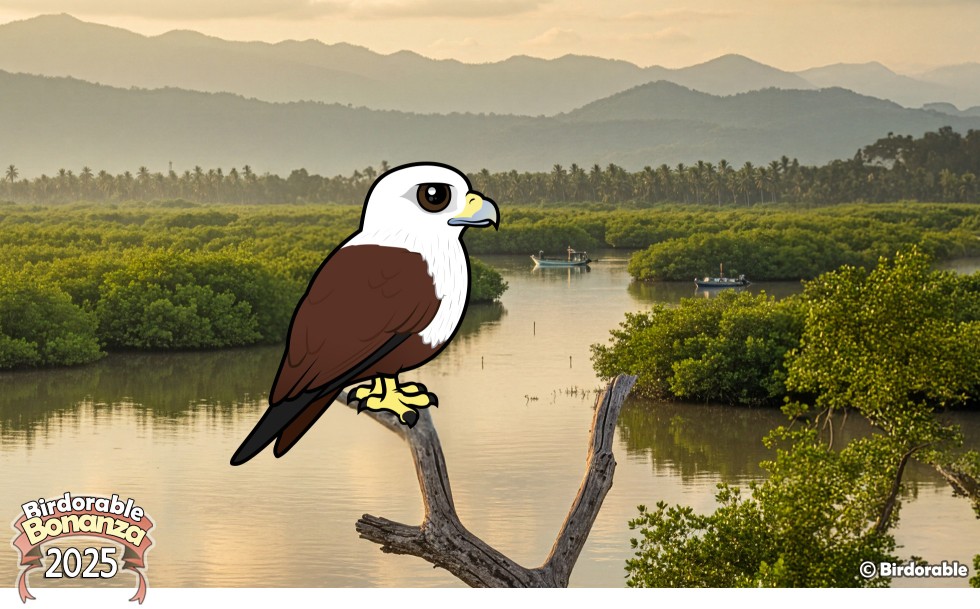
Soaring High: Meet the Beautiful Brahminy Kite

Birdorable Brahminy Kite

We’re excited to introduce the third bird of our 2025 Birdorable Bonanza: the striking and graceful Brahminy Kite. A medium-sized bird of prey, the Brahminy Kite is a perfect blend of elegance, power, and cultural meaning. It's a a worthy addition to any birder’s life list... or t-shirt collection! ;o)

The adult Brahminy Kite is easy to spot: it has a rich reddish-brown or chestnut body and wings, contrasted sharply by a clean white head and breast, plus darker wingtips. Its tail is rounded (not forked like some kites), and its flight is typically the angled, soaring glide characteristic of kites. Juveniles are browner and more muted, which can make them look somewhat different from adults.

The range of this kite is broad, from the Indian subcontinent through Southeast Asia and into parts of Australia. It tends to live where there is water: coasts, wetlands, mangroves, rivers, or marshes. The Brahminy Kite is primarily a scavenger: it feeds on fish, crabs, carrion, and sometimes small live prey. It may even snatch up leftovers near human-altered habitats, which helps explain why it can adapt to changing environments.

Brahminy Kites on the Daintree River

We were lucky to see a pair of these on a boat trip on the Daintree River when visited tropical north Queensland during our Australia adventure in October!

When it's time for breeding, Brahminy Kites build large platform nests from sticks in tall trees (often over water or in mangroves) and tend to reuse and enlarge the same nests year after year. Nesting seasons vary by region. In South Asia it’s usually between December and April; in Australia, breeding seasons shift depending on the area.

One especially fascinating part of this bird’s story is its name “Brahminy Kite.” “Brahminy” refers to “Brahmin,” the priestly caste in Hindu culture. The name was likely inspired by the bird’s regal and clean look; the white head and breast echo the purity and status associated with Brahmins. In parts of South Asia, the Brahminy Kite is regarded as sacred, sometimes associated with divine symbolism or holy mythology. That cultural reverence adds a layer of meaning; the bird isn’t just biologically interesting, it carries spiritual and symbolic weight as well.

For backyard birders, travelers, or anyone with an eye for majestic creatures, the Brahminy Kite offers a vivid reminder that even common birds can be marvelous. Its striking colors, adaptability, and fascinating cultural history make it a great bird to know about.

Brahminy Kite Gifts

You can find new Brahminy Kite items in our Amazon and Zazzle shops, both linked in our Birdorable store here. Some items from both shops are shared below.

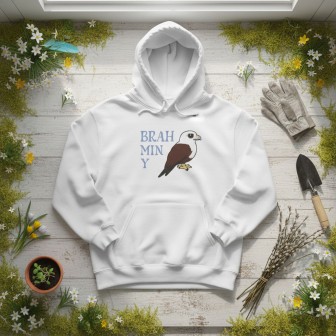
You can also find this unique stacked name design exclusively in our Etsy shop. Shown here on an adult sized hoodie, you can also pick up this design on t-shirts for adults and kids, and adult sized sweatshirts, all in three different color choices (royal, charcoal, and white shown here). As always, if you'd like to see this design on another garment style or novelty item, please let us know!

Our Birdorable Bonanza will continue tomorrow with bird #4, a brilliant blue parrot with a name that hints at a deep, jewel toned color. It is alternatively known by a name honoring a famous poet and sometimes-naturalist. Can you guess which striking species will make its debut next?

Birdorable Bonanza 2025 Bird #2

Capped Heron: Secrets of a Little-Known Tropical Heron

Birdorable Capped Heron

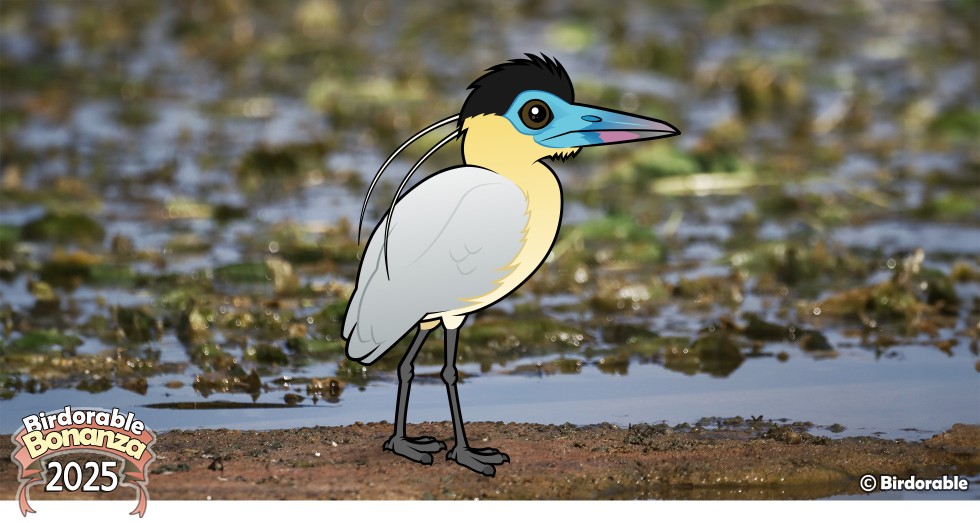
We're excited to share the second bird in our 2025 Birdorable Bonanza! Meet the gorgeous and mysterious Capped Heron!

The Capped Heron lives in the Neotropics, ranging from central Panama all the way down through the Amazon basin to southern Brazil, in countries including Colombia, Ecuador, Peru, Bolivia, Venezuela, and the Guianas. It favors lowland rainforest water zones, such as swamps, river banks, and flooded forest areas, though sometimes it’ll use more unusual wet spots too, like pools along a highway, or flooded fields.

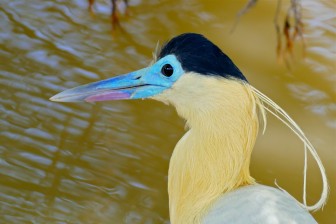
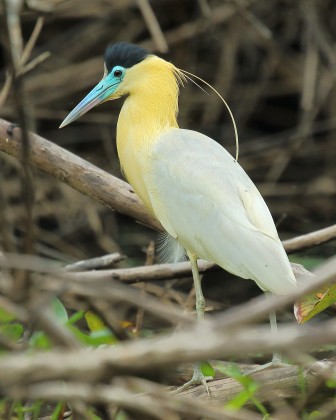
What makes the Capped Heron stand out right away is its striking appearance: a sleek white body, a bold black “cap” on its head, and a bright sky‑blue bill and face. From the black crown emerge long, elegant white plumes,  a regal touch that gives the bird a unique silhouette. Its neck is thicker than many herons’, usually a creamy off‑white shade, and legs tend toward blue‑grey.

Capped Heron by Bernard DUPONT [CC BY-SA 2.0]

The unique look of the Capped Heron is captured in the name it is known by in other languages, too. As in English, these names often describe its striking “capped” head or crown. For example: in German it’s called Kappenreiher (meaning “cap-heron”), in Spanish you’ll find Garza Capirotada (roughly “capped-heron”), and in French it’s Héron coiffé (literally “coiffed heron”).

The Capped Heron is typically solitary. Observers will often see one working quietly along a riverbank or pond, slow and deliberate.

Its diet includes small fish, aquatic insects, tadpoles, and frogs. When hunting, the heron often stands still or walks slowly in shallow water, watching carefully before lunging its sharp bill downward to snatch prey. 

Capped Heron by ryanacandee [CC BY 2.0]

Despite its wide range, little is known about much of the Capped Heron's life history. It’s one of the least-studied herons out there, with basic details like its full breeding habits, population numbers, and long-term movements remaining largely a mystery. 

The conservation status of the Capped Heron is currently considered to be of least concern by the IUCN.  Its huge range helps, though they remain rare in many parts of it, often seen at very low densities. And because their preferred habitats are rainforest waterways and swamps, ongoing deforestation and land conversion pose a long-term worry.

Its distinctive look, solitary calm, and rarity with an air of mystery make any encounter with a Capped Heron feel special. 

New Capped Heron Gifts

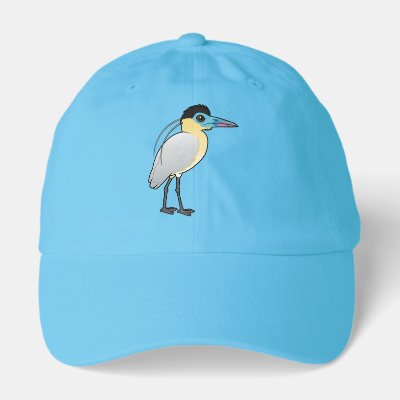
You can find new Capped Heron items in our Amazon and Zazzle shops, both linked in our Birdorable store here. Some items from both shops are shared below.

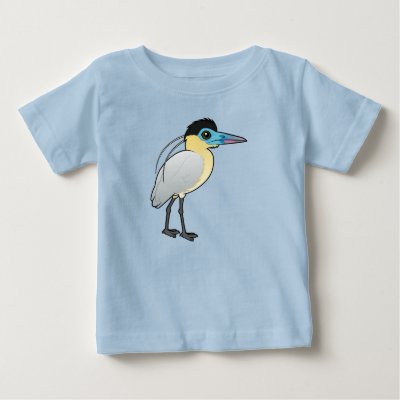
You can also find this funny "I'm Just Wading For The Weekend" design, exclusively in our Etsy shop. Shown here on a light blue t-shirt, you can also purchase this design on t-shirts for kids, and adult sized sweatshirts and hoodies. As always, if you'd like to see this design on a different garment or gift item, please let us know!

Get ready for tomorrow’s reveal in our Birdorable Bonanza. Our next newcomer is a striking bird of prey with a sacred name. It can be recognized by its bold chestnut feathers and bright white head. Do you know which raptor will be joining the Birdorable family next? Tune in tomorrow to find out.

Birdorable Bonanza 2025 Bird #1

Noisy by Nature: Celebrating the Noisy Miner

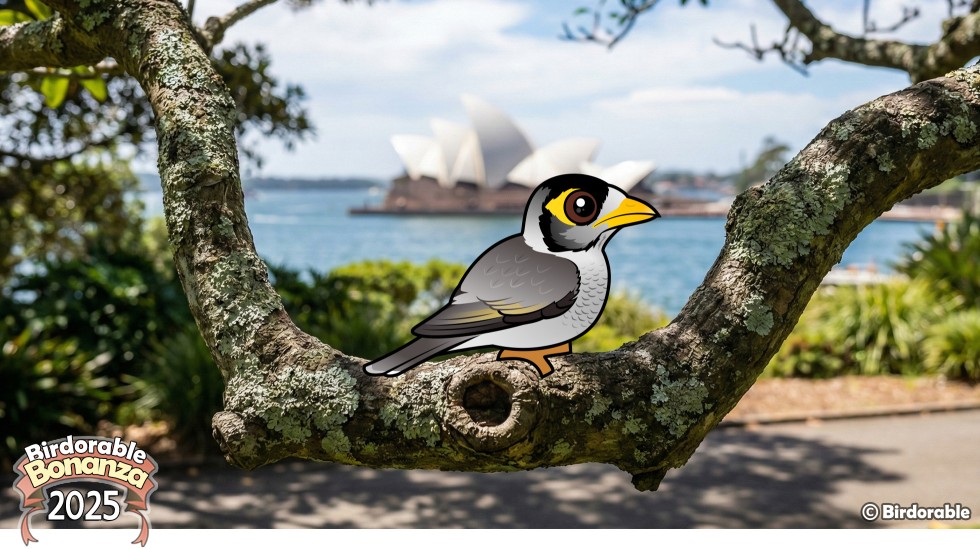
Birdorable Noisy Miner in Sydney with Opera House in the background

Today we kick off our 2025 Bonanza with a bird we became very familiar with during our visit to Australia earlier this year: the Noisy Miner!

The Noisy Miner is one of Australia's most recognizable and frequently heard birds. Native to the eastern and southeastern parts of the continent, this bold and vocal species is part of the honeyeater family. 

The name of this common bird does fit, as this bird is notoriously loud. Whether it's calling to its group, alerting others to a predator, or chasing off intruders, the Noisy Miner rarely stays silent. They have a wide variety of calls, ranging from sweet whistles to harsh alarm notes, and their nonstop chatter is a defining feature of their behavior.

Noisy Miners are social to the extreme. They live in cooperative groups where members help raise each other's young and defend shared territory. Their teamwork is especially evident in their aggressive mobbing behavior. If a potential threat, like a large bird or even a person, enters their area, several Noisy Miners will join forces to drive it away with loud calls and fast swooping flights. This communal defense strategy helps keep predators at bay, but it can also make them bullies to smaller, less social bird species. 

These birds have adapted exceptionally well to urban and suburban environments. Parks, gardens, and schoolyards provide plenty of open space and flowering trees, which are perfect for the Noisy Miner's nectar-loving diet. In fact, they’ve thrived so much in these human-modified landscapes that they've become a bit too dominant in some areas. Their aggressive territorial behavior can lead to a reduction in bird diversity, as smaller or less assertive species are pushed out. We noticed this first-hand, as some birding locations we visited had an abundance of Noisy Miners but few small songbirds.

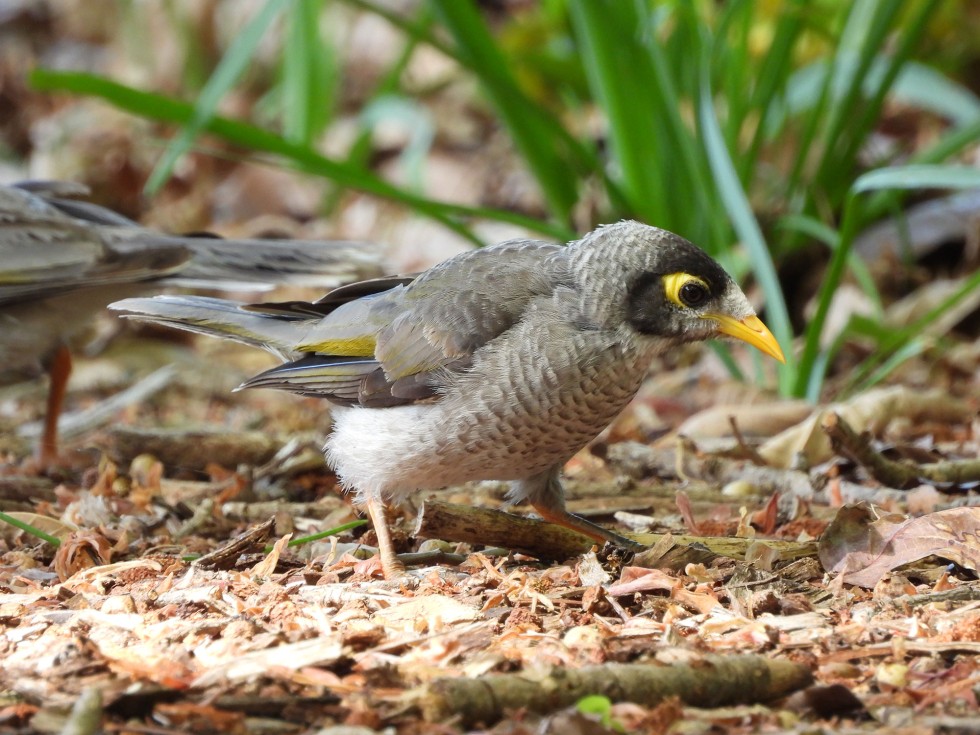
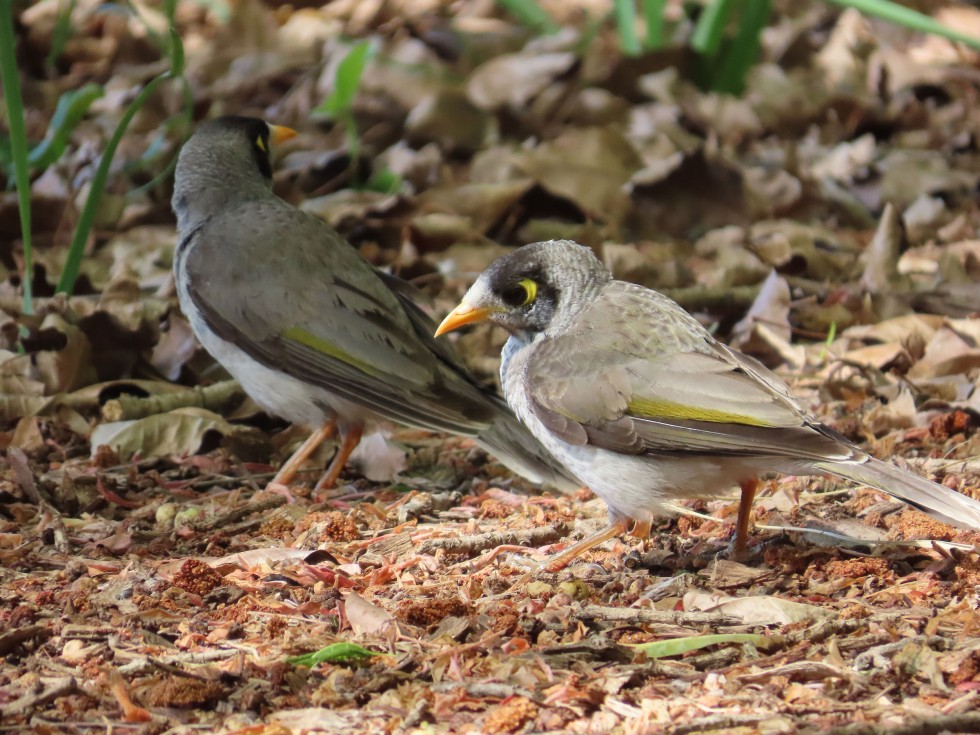
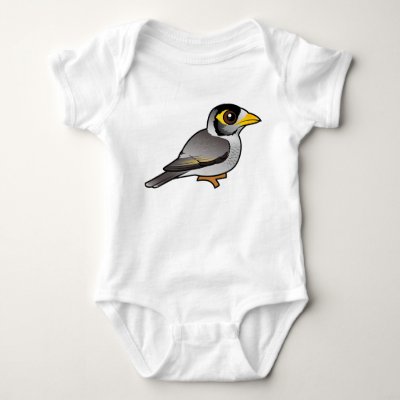
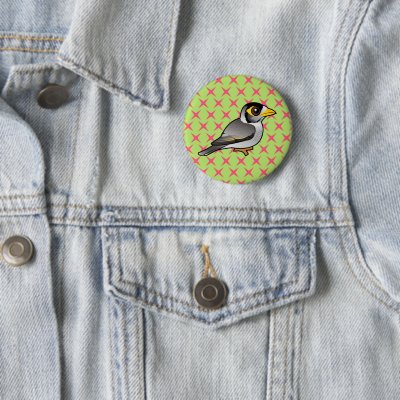
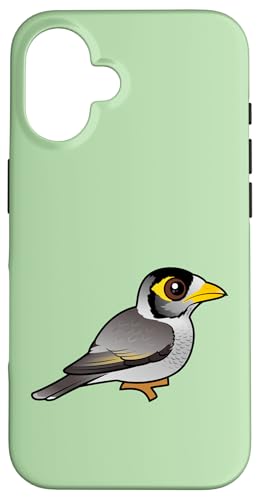
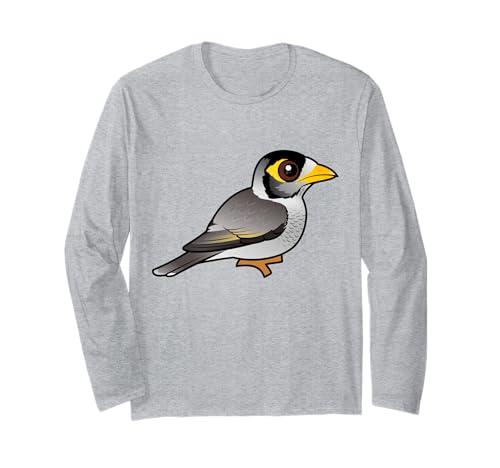
Visually, the Noisy Miner is attractive in a subtle way. They have mostly grey plumage, a black crown and cheeks, and a bright yellow patch behind the eyes. Their bill and legs are also yellow, adding pops of color to their otherwise neutral palette. They're medium-sized birds, and their upright, alert posture adds to their bold personality.

Even though they may be seen as pests by some, the Noisy Miner plays an important ecological role, especially when it comes to pollination. As a honeyeater, it feeds on nectar from native flowering plants, and in doing so, it helps spread pollen. They also eat insects and fruits, making them a versatile feeder.

If you're birdwatching in eastern Australia, it’s hard to miss the Noisy Miner. Its constant calls, group behaviors, and assertive attitude make it one of the more memorable backyard birds. Whether you love them for their smarts and energy or find them a bit overwhelming, there's no denying that the Noisy Miner is one of Australia’s most distinctive avian personalities.

Noisy Miner Merch

You can find Noisy Miner items in our Amazon and Zazzle shops, both linked in our Birdorable store here. Some items from both shops are shared below.

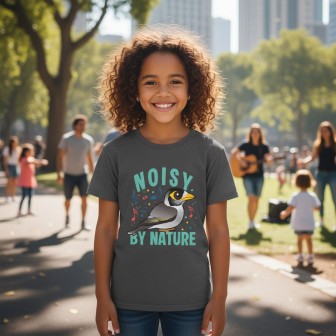
You can also find this funny "Noisy By Nature" design, exclusively in our Etsy shop. Shown here on a kid's shirt, you can also pick up this design on t-shirts for adults, and adult sized sweatshirts and hoodies. As always, if you'd like to see this design on a different garment or gift item, please let us know!

Check back tomorrow to meet the next new bird in our Birdorable Bonanza! This species is a type of heron found in parts of Central and South America. It’s known for its pale body and striking dark cap. Can you guess what bird it might be?

Birdorable Bonanza 2025 preview image