


Truth or Tale? The Egyptian Plover and the Myth of the Crocodile Bird
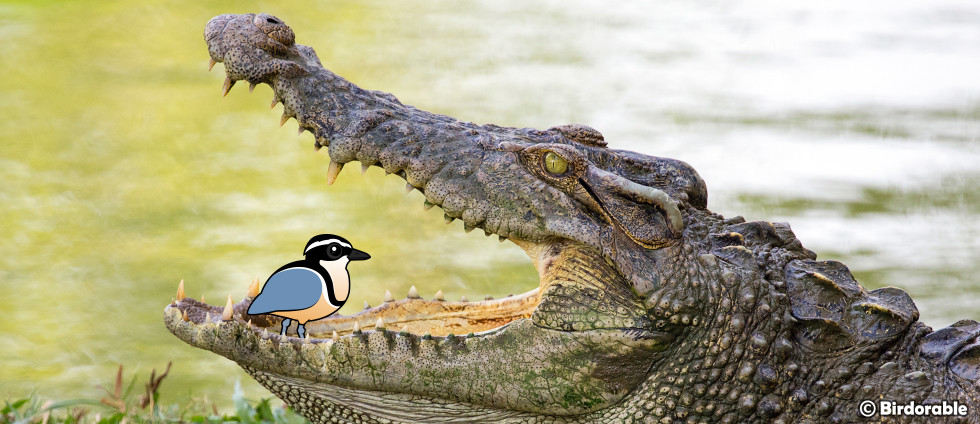
The Egyptian Plover is a beautiful species of wader that lives in parts of sub-Saharan Africa. Despite the common name, their present range does not extend to any part of Egypt. The bird is sometimes known by another name: Crocodile Bird.
During his travels to Egypt in 459 BC, the Greek historian Herodotus recorded a fascinating observation: a small bird, which he identified as the Egyptian Plover, engaging in what appeared to be a symbiotic interaction with a crocodile. According to Herodotus, this bird was seen picking out food from the open mouth of a crocodile, a behavior presumed to be mutually beneficial. The crocodile would receive a thorough cleaning of its teeth, while the bird enjoyed an effortless meal.
However, the reliability of this account has been a subject of debate. Herodotus, known as the world's first historian, was also nicknamed "The Father of Lies," suggesting that some of his observations might have been exaggerated or misinterpreted. The myth of the Crocodile Bird was later revived by explorers and naturalists in the 19th and 20th centuries, with personal eyewitness accounts from a German zoologist and a British birdwatcher. Yet, these accounts have been widely disputed and lack substantial corroborative evidence.
In fact, there is no definitive scientific record of a cleaning symbiotic relationship between any crocodilian species and any bird species. This absence of evidence casts doubt on the validity of the Egyptian Plover's role as a Crocodile Bird.
Despite the questionable authenticity of this behavior, the moniker "Crocodile Bird" undeniably adds an aura of intrigue and mystique to the Egyptian Plover. It's a nickname that captures the imagination, painting a picture of a fearless bird in a daring dance with one of nature's most formidable reptiles. Despite its questionable background, the nickname Crocodile Bird does make the Egyptian Plover sound kind of cool, don't you think?
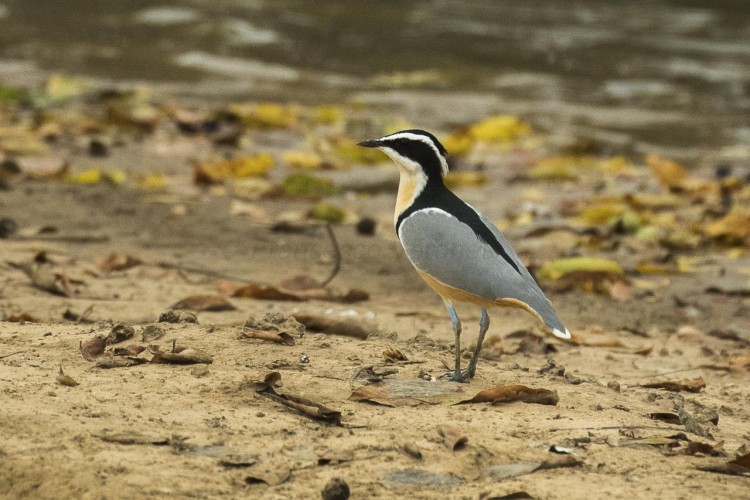
Egyptian Plover in The Gambia by Francesco Veronesi (CC BY-SA 2.0)


Comments
Leave a comment
Thank you!