Gear Up for International Vulture Awareness Day 2025 with Birdorable Vulture Tees

International Vulture Awareness Day is coming up on Saturday, September 6, 2025, and it's the perfect time to celebrate these critical, though often misunderstood, birds. Observed on the first Saturday of September each year, IVAD shines a spotlight on vultures'; vital ecological roles; from cleaning up carcasses to helping stop the spread of disease — and raises awareness about the threats they face. 

Vultures play nature’s cleanup crew — rapidly consuming dead animals before harmful pathogens can spread. Their powerful stomach acids are a safeguard for wildlife and human communities alike, digesting bacteria and viruses that would otherwise pose serious health risks. It’s no exaggeration to call vultures ecological heroes.

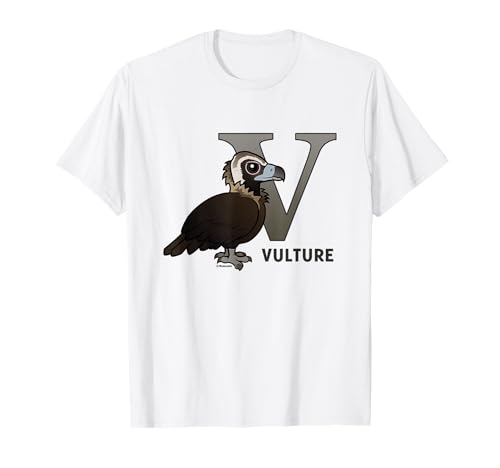
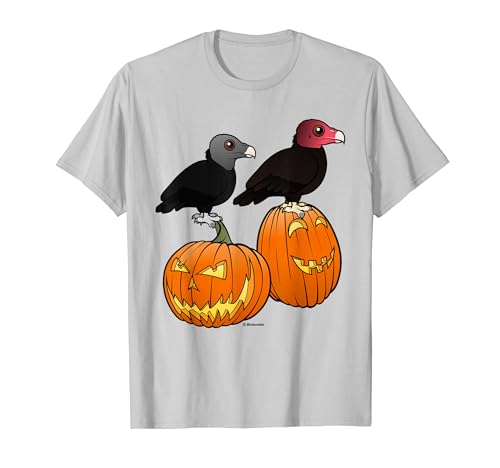
This year, as part of our IVAD celebration, we're excited to showcase several vulture-themed shirts from Birdorable — perfect for fans, birdwatchers, and anyone who loves quirky, meaningful designs. Check out some of our favorites below. These are available from our Amazon shop and ship quickly with Prime. You can get your swag for IVAD in time to celebrate on September 6th!

International Vulture Awareness Day Swag from Birdorable

More Birdorable Vulture Swag for International Vulture Awareness Day

These shirts are fun to wear, in part because they make great conversation starters. Wearing one is a gentle, fun reminder of vultures' underrated importance. For IVAD, be sure to look out for upcoming Birdorable posts diving deeper into vulture topics as we will celebrate Vulture Week leading up to the big day. International Vulture Awareness Day gives us a chance to rethink our ideas about vultures' longer ominous harbingers, but essential guardians of ecological balance. Feel free to embrace that spirit, whether by wearing a vulture tee or joining an event (virtual or local). Let's help these feathered superheroes get the appreciation they deserve.

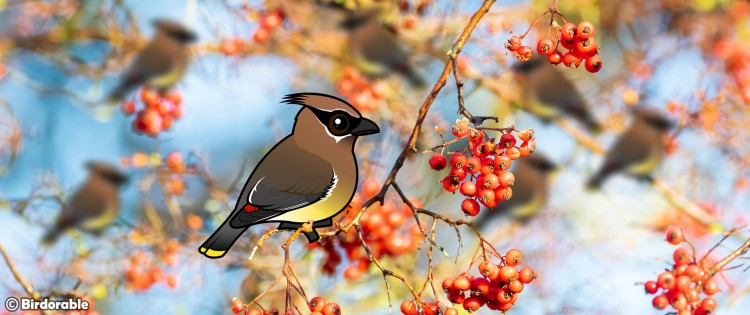
Late summer is a great time for berry-loving birds. As wild berries ripen, many species take advantage of the sweet, energy-rich food source. These fruits provide a boost for birds preparing for fall migration or molting. Here are five birds that especially enjoy berries this time of year.

Cedar Waxwing

Cedar Waxwings are perhaps the most famous berry-eaters in North America. These sleek birds with silky plumage and bright red wing tips are often found in flocks near fruiting trees and shrubs. In late summer, they gorge on dogwood, serviceberry, and elderberry. Cedar Waxwings are such fruit fanatics that they’re one of the few North American birds that can survive almost entirely on fruit for weeks at a time. They’re also known to pass berries to one another as part of their courtship behavior.

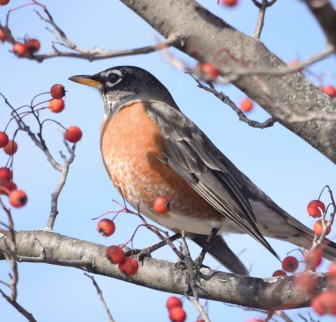
American Robin

Though often associated with earthworms, American Robins are also big fans of fruit. In late summer, their diet shifts toward berries like chokecherries, mountain ash, and wild grapes. Robins are commonly seen in backyards hopping between berry-laden bushes or perched in fruiting trees. These berries help fuel their southward migration and also support young birds, just learning how to be a bird, that fledged earlier in the season.

Baltimore Oriole

Bright and bold, Baltimore Orioles are nectar and insect feeders in spring, but they also go crazy for berries later in the summer. They’re especially attracted to dark fruits like mulberries and blackberries. If you live in the eastern U.S., you might spot them plucking ripe fruit with their pointed bills. At this time of year, orioles are getting ready for a long migration to Central and South America, and berries give them the energy they need.

Gray Catbird

Gray Catbirds are noisy mimics that love dense shrubs—especially those loaded with fruit. Late summer is prime time for catbirds to load up on berries like elderberry, viburnum, and honeysuckle. They’re often heard before they’re seen, giving their signature mew call. If you want to attract catbirds, planting native berry-producing shrubs is a great way to start.

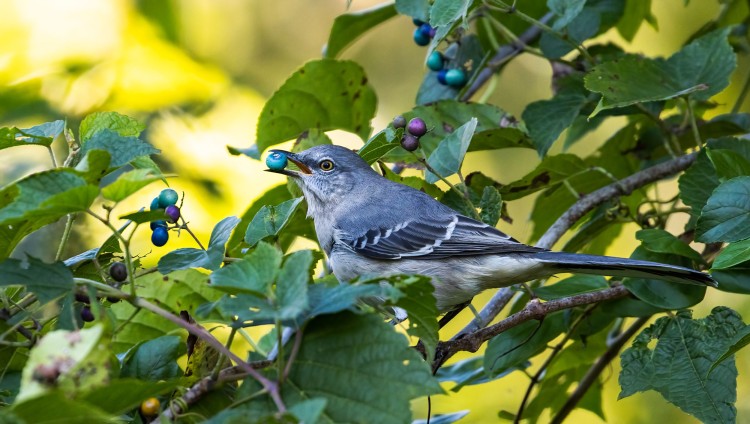
Northern Mockingbird

Northern Mockingbirds are known for their ability to mimic other birds’ songs, but they also have a strong preference for berries, especially in late summer. They’ll fiercely defend berry bushes from other birds, claiming the food for themselves. Look for them around fruiting trees like holly or firethorn, where they may perch conspicuously and chase away intruders. Mockingbirds often remain on territory year-round, so plants that offer late summer berries are important for both feeding and defending their space.

If you want to support berry-loving birds in your yard, consider planting native fruiting shrubs and trees. Species like serviceberry, elderberry, dogwood, and chokecherry are excellent choices. Avoid invasive plants like multiflora rose and bush honeysuckle, which can do more harm than good to local ecosystems.

Here in Florida and across the southeast, American Beautyberry shrubs provide good fuel for migratory birds that spend the winter here, and for the many migrants that stop off in the Sunshine State before heading further south for the season.

Watching birds feast on berries is a late-summer treat. Whether you're in a city park, backyard, or forest edge, keep an eye out—you might see these birds at their hungriest and most active.