Australia is famous for its unique wildlife, and its birds are no exception. While many birds are known for their songs and chirps, some Aussie species stand out for their unusual, surprising, or downright strange vocalizations.

Here are four Australian birds you might hear before you see, each with a sound that's anything but ordinary.

😂 Laughing Kookaburra

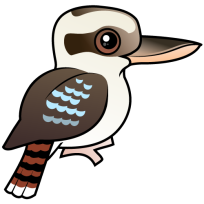
The Laughing Kookaburra’s call is one of the most iconic sounds of the Australian bush. It starts with a chuckle and builds into full-blown laughter, echoing through forests, suburbs, and even city parks.

Despite its comical sound, this bird is a serious predator, feeding on insects, lizards, and small snakes. Early mornings and evenings are the best times to hear their territorial "laugh battles."

🎧 Sounds like: Maniacal, human-like laughter

đŸĻœ Gang-gang Cockatoo

With a scruffy crest and a cute, chunky beak, the Gang-gang Cockatoo might not look intimidating, but its call is unforgettable. When flying or perched, it makes a sound that many Aussies compare to a creaky door or a cork being pulled from a bottle.

These birds live in cooler forests of southeastern Australia and are often seen in pairs or small groups.

🎧 Sounds like: A rusty hinge or squeaky garden gate

🎭 Superb Lyrebird

The Superb Lyrebird is a true mimic master. This shy forest bird has one of the most complex vocal repertoires in the world, copying other bird species, and even artificial sounds like camera shutters, chainsaws, and car alarms.

During breeding season, males put on elaborate vocal and visual displays, mimicking dozens of birds in rapid sequence while fanning out their incredible tail feathers.

🎧 Sounds like: Everything! Other birds, machinery, even human-made noises

đŸ•ļī¸ Black Currawong

Found mostly in Tasmania, the Black Currawong is a large, all-black bird with bright yellow eyes and a powerful bill. Its calls are loud, varied, and often have a flute-like or croaky tone, sometimes compared to a crow trying to sing opera.

They’re clever, curious birds, often seen patrolling picnic areas or scavenging in parks.

🎧 Sounds like: Flute-like whistles, warbles, and croaks

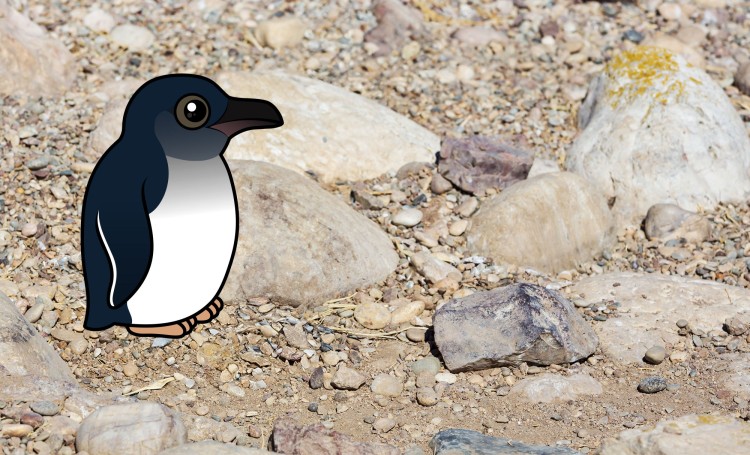
🐧 Little Penguin

Found along southern Australia’s coastlines, Little Penguins may look cute, but their vocalizations are loud and bizarre, ranging from braying donkey-like calls to guttural growls and honks. Their vocal style is harsh and surprising, especially when heard at night in a penguin colony!

These calls help individuals recognize their mates and chicks in the noisy crowd.

🎧 Sounds like: A baby donkey, a grumbling stomach, or something out of a cartoon horror movie.

🎧 Why Do These Birds Sound So Weird?

Bird calls serve all kinds of purposes: marking territory, attracting mates, or warning off predators. In Australia's varied ecosystems, birds have evolved unique sounds to stand out in the crowd, or blend in cleverly by mimicking others.

Want to explore more strange and beautiful bird calls? Visit a local nature reserve with your ears open -- you never know what you’ll hear! Meanwhile, we'll be listening out for these birds during our travels through Australia. We hope we can hear some of them!

Central Australia, referred to as the Red Centre, is the vast, dry, and rugged heart of the continent. It might seem inhospitable, but it’s home to an incredible range of birds uniquely adapted to survive extreme heat, long dry spells, and scarce resources. While team Birdorable will not be visiting this part of Australia during our October 2025 visit, it's worth learning about this unique environment. To learn more, we're sharing three tough birds that thrive in the Outback’s arid environments.

đŸĻ Zebra Finch

Zebra Finches are one of the most widespread birds across Australia's interior. These small finches are highly social, forming flocks near waterholes and desert grasses.

Despite living in dry environments, they’re incredibly resourceful breeders, sometimes laying eggs just days after rainfall, when food becomes available. Males are easy to spot with their orange cheek patches and black-and-white stripes.

We might be able to see Zebra Finches as they are widespread across the Red Centre as well as other parts of Australia where we will be visiting. Fingers crossed!

đŸĒļ Fun Fact: Zebra Finches can survive on dry seeds for long periods by conserving water extremely efficiently.

đŸŸĸ Budgerigar

The Budgerigar, known worldwide as a popular pet, originated in the wild deserts of inland Australia. In the Outback, wild Budgies form large, noisy flocks that roam widely in search of water and food.

Their plumage is green and yellow with black barring, unique camouflage against dry grass and scrub. In wet years, their numbers explode, and mass flocks can number in the thousands.

We almost certainly do not have a chance to see wild Budgerigars during our trip, and that's a bummer! We'll have plenty of chances to see other charismatic parrot species, though!

đŸĒļ Fun Fact: Budgerigars are nomadic. They follow unpredictable rainfall patterns, appearing and disappearing from regions depending on water availability.

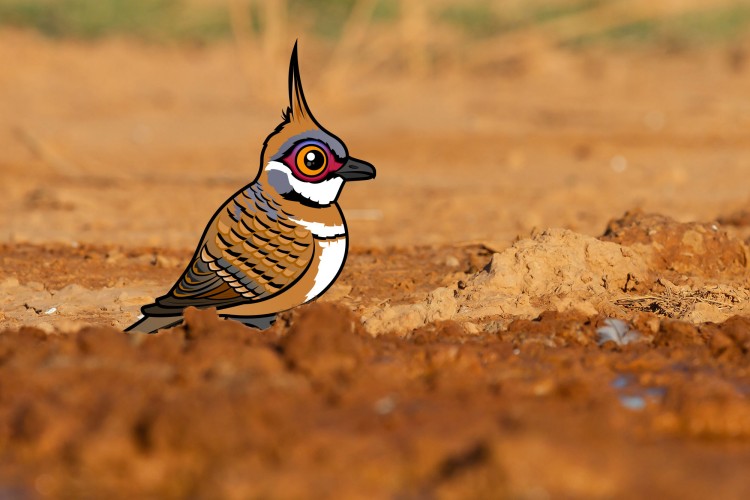
đŸ•Šī¸ Spinifex Pigeon

Spinifex Pigeons are one of Australia’s most Outback-specific birds. Found among rocky hills and spinifex grass, they’re instantly recognizable by their spiky head crest and rich rufous coloration.

They prefer to walk or run instead of flying and stay close to rocky shelter. They’re often spotted basking in the sun or darting into the shade to avoid predators and extreme heat.

Spinifex refers to a type of spiky and tough grass that thrives in arid inland Australia. Spinifex Pigeons are therefore named for part of their habitat.

We very certainly do not have a chance to see Spinifex Pigeons during our trip. Another bummer! 

đŸĒļ Fun Fact: Despite their arid habitat, Spinifex Pigeons need to drink daily and are never far from a water source, no matter how hidden.

💧 How Do These Birds Survive in the Outback?

Outback birds have evolved incredible adaptations for desert life:

  • Many can extract moisture from dry seeds.

  • They are opportunistic breeders, ready to nest after rare rain.

  • Flocking helps with predator detection and locating food or water.

  • Their plumage often provides camouflage in red soil and dry grasses.

Despite the harsh conditions, the Red Centre offers just enough resources for these resilient birds to not only survive, but thrive.

🌏 Visiting the Outback? Keep an eye (and ear) out at dawn and dusk near waterholes and rocky ranges. Many desert birds are most active during the cooler hours. We'll have to hit up this part of Australia on our next visit! 😉

Yes, You Can Help Birds Just by Watching Them

You don’t need to be a scientist to help protect birds. All across Australia, everyday people are making a difference for conservation by simply observing, counting, and reporting birds they see.

These efforts are called citizen science projects, and they’re vital for understanding how Australia’s birds are doing. Here’s how you can join in and become a bird hero right from your backyard -- if your backyard is in Australia!

đŸĻ Aussie Bird Count (October Each Year)

Each October, thousands of Australians take part in the Aussie Bird Count, one of the country’s biggest citizen science events. It only takes 20 minutes to join. Just count the birds you see in your backyard, park, or local reserve, and enter your sightings into the free Bird Count app.

The data helps track changes in bird populations over time. It’s especially useful in monitoring common species like the Rainbow LorikeetAustralian Magpie, and Noisy Miner, some of which are increasing, while others are in decline.

đŸĒļ Get Involved: Aussie Bird Count

đŸĻ‰ Birds in Backyards

This project helps researchers understand how birds are using urban spaces. Participants survey their backyard or local green space and answer questions about vegetation, housing, and human activity.

Birds in Backyards focuses especially on urban birds, and the findings help guide planning decisions and urban conservation. It’s also a great excuse to get to know your local feathered neighbors a little better.

đŸĒļ Get Involved: Birds in Backyards

đŸŖ Why Citizen Science Matters

Birds are great indicators of environmental health. When bird numbers change, it can signal shifts in habitat, climate, or ecosystems. Without citizen science data, conservationists would have far fewer tools to protect species, especially in remote or urban areas.

Every bird you count adds to a bigger picture that helps scientists track trends and identify threats. Even common species need monitoring. Sometimes, they’re the ones changing the fastest.

đŸ‘Ŗ Easy Ways to Start

  • Download the Aussie Bird Count or Birdata app to start recording sightings.

  • Join a local bird group or BirdLife branch to connect with others.

  • Use a field guide or app to learn how to ID common birds in your area.

  • Start small. Even one 20-minute count in your backyard can help!

🌍 Similar Programs in North America

Don't live in Australia, but want to help birds where you live? In North America, we have citizen science programs similar to the Australian ones mentioned above. You can join the Great Backyard Bird Count, Project FeederWatch, and the North American Breeding Bird Survey. You can also use eBird to record your bird sightings to contribute to their scientific database. There are a lot of other options out there; try searching for citizen science programs in your local area. 

đŸĻœ Have you joined a bird survey before? Let us know in the comments—and tag us in your Aussie bird photos!

Australia is home to some of the world’s most unusual and unforgettable birds. During October, your team Birdorable will be visiting Oz, and we're scheduling some posts about the Land Down Under while we're off exploring. From tiny fairywrens to giant Emus, the continent’s birdlife is as bold and diverse as the landscapes they live in.

Whether you're a new birder or just curious about Aussie wildlife, here are five iconic Australian birds to help you become familiar with their unique birdlife. 

đŸŽļ Laughing Kookaburra

Known for its unmistakable call that sounds like loud, echoing laughter, the Laughing Kookaburra is a type of kingfisher. But unlike many kingfishers, it doesn't fish—instead, it hunts insects, small reptiles, and even snakes.

You’ll find them perched on fences, tree branches, and telephone wires across eastern Australia, especially in suburban areas. Their dawn and dusk "laughing choruses" are a classic Aussie sound. The sound will probably be familiar to you, too, as their call is often used in movies as a background sound in tropical scenes.

💎 Superb Fairywren

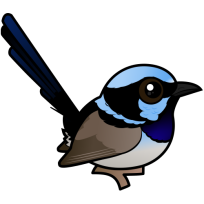
These tiny, active birds are often seen flitting through gardens and parks in southeastern Australia. Male Superb Fairywrens in breeding plumage wear bright electric-blue and black feathers, while females and non-breeding males are a more subdued brown.

Despite their delicate appearance, they’re feisty, fast, and full of personality. Look for groups hopping around low shrubs and grasses.

🌈 Rainbow Lorikeet

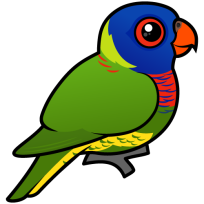
With a color palette that looks straight from an artist’s brush -- bright blue head, orange breast, green wings -- the Rainbow Lorikeet is hard to miss. These noisy, social parrots zip through urban areas, especially in eastern and northern Australia.

They feed on nectar, fruit, and pollen using a special brush-tipped tongue. Planting native flowering trees like bottlebrush and grevillea will attract them to your yard.

đŸĻœ Sulphur-crested Cockatoo

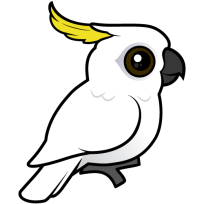
These large white parrots with a lemon-yellow crest are both beautiful and incredibly loud. Common in woodlands, cities, and even capital suburbs, Sulphur-crested Cockatoos are smart, curious, and often travel in noisy flocks.

They’re known to chew on wood, open garbage bins, and even learn how to unlock bird feeders—sometimes a bit too clever for their own good!

đŸĒļ Emu

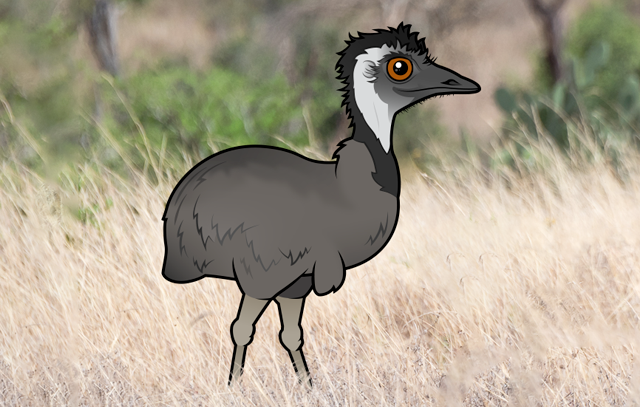
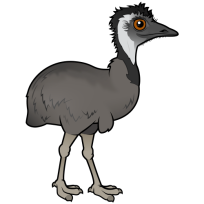
The Emu is Australia’s largest bird and the second-tallest bird in the world (after the Ostrich). Flightless but fast, Emus can run up to 50 km/h and roam across most of mainland Australia.

These shaggy-feathered giants are often seen in open scrubland, grasslands, and even farmland. During breeding season, males take on all parenting duties—incubating the eggs and raising the chicks.

👀 Seen Any of These Aussie Birds?

If you live in Australia or have visited, you may have seen some of these feathered locals in the wild. We'll be looking for all of these and more during our Australia adventures!

Here in North America, fall is a perfect time to spot new birds as they pass through on their migratory journey south. Depending on where you live, your backyard might host warblers, sparrows, or even hawks making a pit stop for food and rest.

Do you know which birds to look out for where you live? To give you some ideas, here are some migratory birds to watch for in October in a few select regions:

🌴 California

Birds to Watch For:

  • Western Tanager
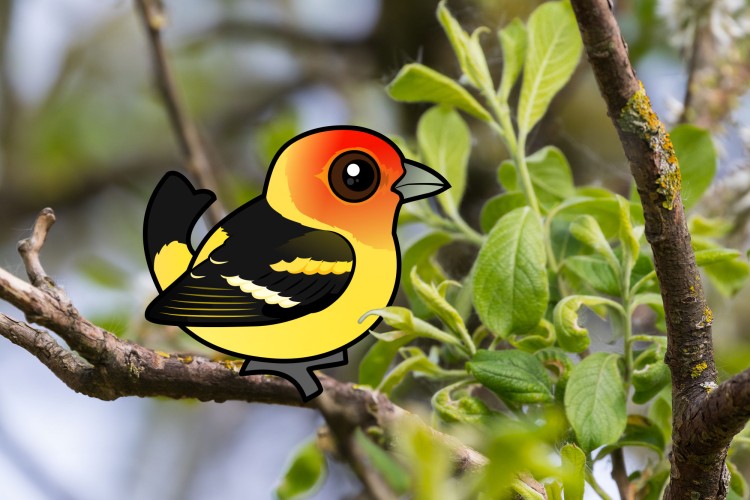
    Look for birds with a bright yellow body with black wings and back; breeding males have a reddish-orange face. Females and non-breeding birds are duller but still have a lemony glow. Find them throughout the summer and on the move in early fall.

  • Wilson's Warbler
    Look for a bold black-and-white face and a little yellow dot in front of the eye. Often found in oak trees or chaparral scrub. They migrate through California on their way to Central America for the winter.

âžĄī¸ Tip: Keep an eye on oak canopies and offer fresh water. A simple birdbath can make your yard irresistible to tired migrants.

đŸŒĩ Arizona

Birds to Watch:

  • Yellow-rumped Warbler
    Also called “butterbutts” for their yellow rump, these warblers are hardy and widespread during fall migration, and found all winter long in the southern half of the state.

  • Swainson's Hawk
    One of the longest-distance migrants in the Americas, Swainson's Hawks travel from western North America to Argentina. Look for them in open grasslands, agricultural fields, and desert plains.

âžĄī¸ Tip: Native plants like desert willow and mesquite offer food and cover for migrating warblers.

🌾 Southeast Texas

Birds to Watch:

  • Indigo Bunting
    In fall, these birds look mostly brown with hints of blue. Look for them in brushy fields and along fences.

  • Ruby-throated Hummingbird
    Look for these little flying jewels in flowering gardens and at backyard nectar feeders.

âžĄī¸ Tip: Provide shelter! Thick shrubs and trees offer resting places after long flights across the Gulf of Mexico.

🌆 Northern Illinois

Birds to Watch:

  • White-throated Sparrow
    Look for the clean white throat and yellow lores. They’ll be hopping in leaf litter under feeders.

  • Swainson's Thrush
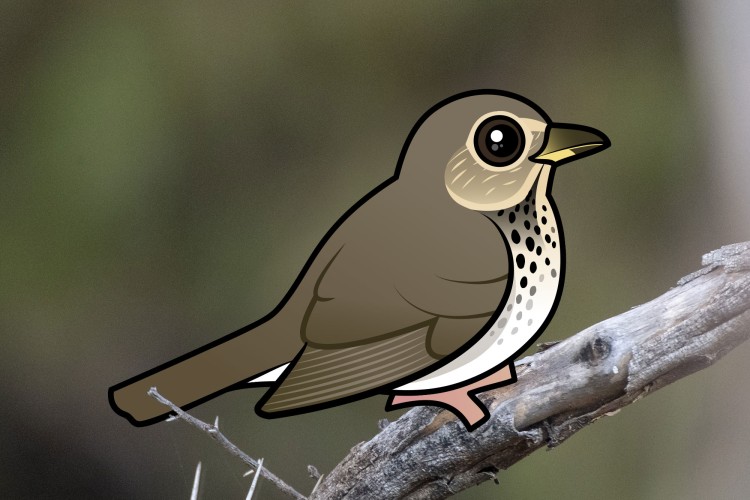
    Watch for them in forest preserves, urban parks, and woodland edges. They migrate all across North America on their way to Central and South America.

âžĄī¸ Tip: Turn off lights at night. Chicago is on a major migration flyway, and light pollution is a major hazard for birds.

đŸŒŗ Virginia

Birds to Watch:

  • Cerulean Warbler
    These blue beauties breed in the Appalachian region, including parts of western and central Virginia, and migrate to South America, primarily the Andes.

  • Magnolia Warbler
    This colorful fall migrant passes through Virginia on its way to wintering grounds in Central America and the Caribbean. Look for them along forest edges, in shrubby fields, wooded parks, and along the Blue Ridge Parkway.

âžĄī¸ Tip: Don’t be too tidy! Brush piles, native grasses, and uncut flower stalks can all offer food and cover.

🐊 Florida

Birds to Watch:

  • Black-throated Blue Warbler
    Many spend the winter in south Florida, arriving during fall migration. Across the state, look for them in coastal hammocks, shady woodlands, and well-vegetated urban parks. Migrants are drawn to native understory shrubs and insect-rich foliage.

  • Painted Bunting
    They breed in the Panhandle, and many winter across much of the state, especially the south. Look for them in dense shrubs, thickets, and overgrown fields. Here in Central Florida, we could attract them with millet feed in our safe, lightly wooded suburban yard.

âžĄī¸ Tip: Native berry bushes like beautyberry or firebush can help attract and nourish migrants.

đŸ› ī¸ How You Can Help Migrating Birds

Even if you only have a small yard, you can make a big impact. Here’s how:

  • Keep outdoor lights off at night. Migrating birds fly overnight and can be disoriented by artificial lighting.

  • Make your windows bird-safe. Use decals or screens to prevent window strikes.

  • Leave part of your yard natural. Brush piles, native plants, and even messy gardens are great for wildlife.

đŸĻœ Migration is happening right now—what birds are you seeing in your backyard? Tag us with your photos or comment with your sightings!

Every October, millions of birds take to the skies as they travel thousands of miles toward their wintering grounds. To celebrate World Migratory Bird Day (WMBD), one week from today on October 11, 2025, we’re spotlighting some birds that are true champions of long-distance travel.

These species make epic journeys across oceans, continents, and time zones—and many return to the same place every year!

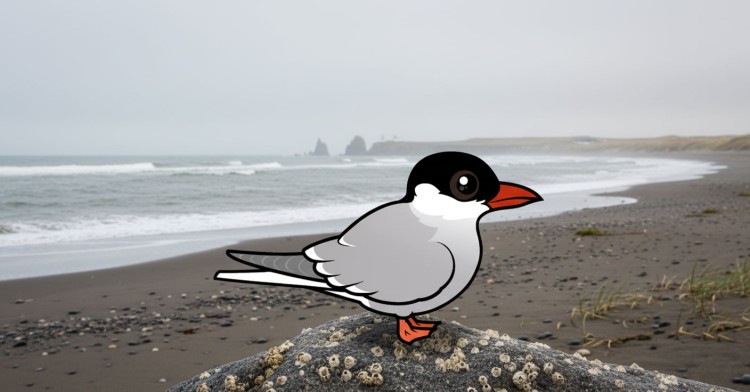
Arctic Tern: The Ultimate Globe-Trotter

The Arctic Tern holds the record for the longest migration in the animal kingdom. These sleek white seabirds breed in the Arctic and fly all the way to Antarctica for the southern summer—a round trip of over 44,000 miles (71,000 km) each year!

That means an Arctic Tern sees two summers every year and experiences more daylight than any other animal on Earth.

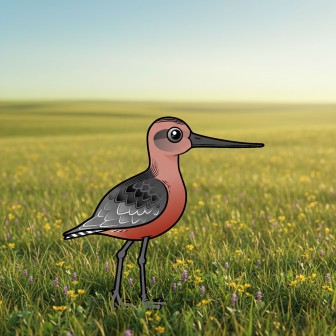
Bar-tailed Godwit: Nonstop Flight Record-Holder

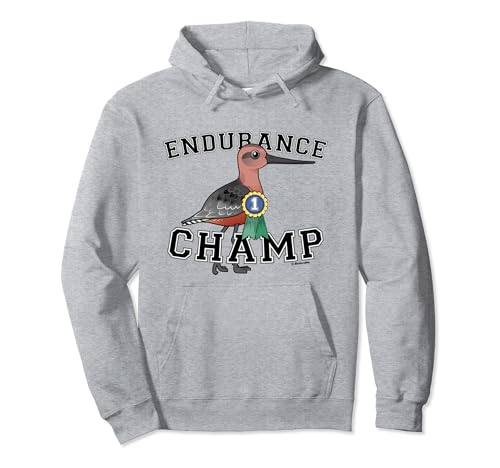
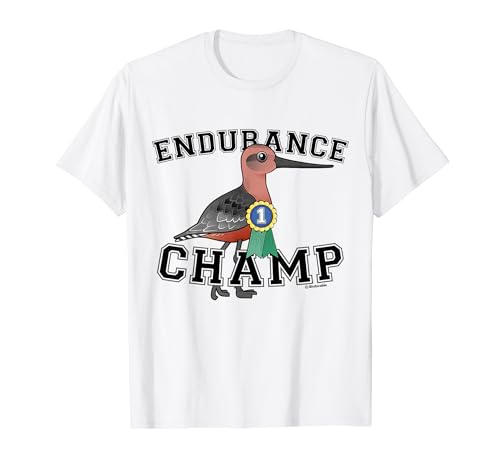
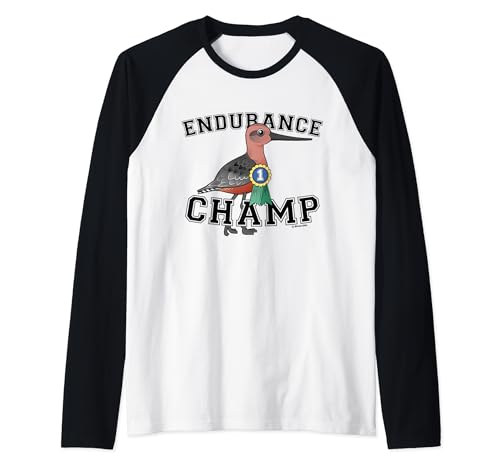
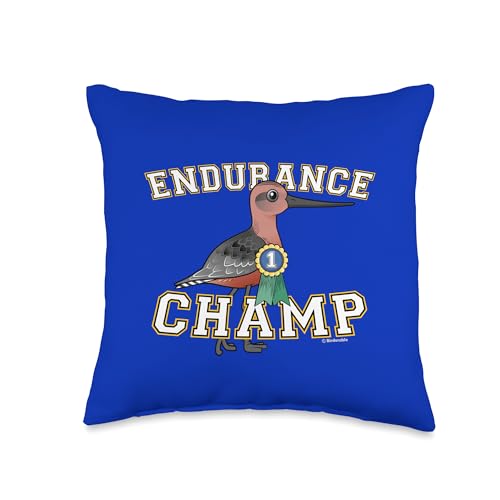
In 2022, a satellite-tagged Bar-tailed Godwit flew from Alaska to Australia nonstop—a journey of over 8,400 miles (13,500 km) in 11 days. No food, no rest, just pure endurance.

These shorebirds rely on healthy wetlands to fuel up before their flights, making habitat conservation vital to their survival.

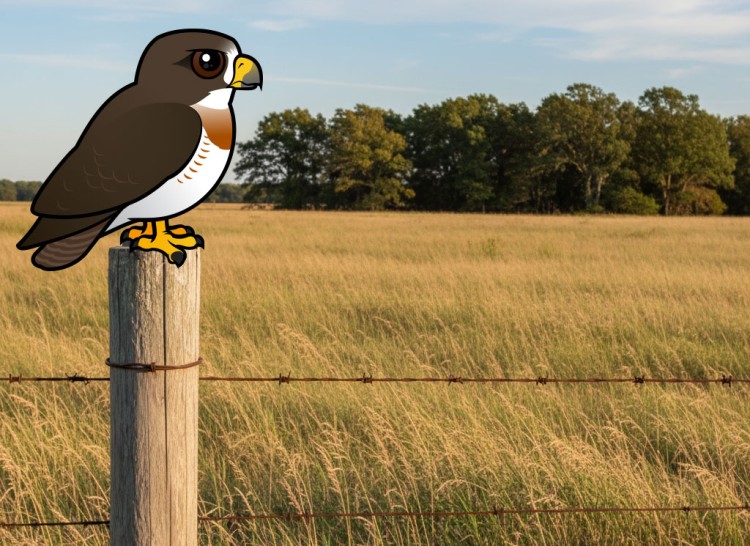
Swainson’s Hawk: From Prairie to Pampas

Swainson’s Hawks breed in the grasslands of western North America and migrate to Argentina for the winter. That’s a trip of nearly 6,000 miles (9,600 km)—each way!

They form large flocks during migration, sometimes called “kettles,” and ride thermals across the sky like gliders.

What You Can Do to Help Migrating Birds

Migration is dangerous. Birds face threats from habitat loss, window collisions, and light pollution. Here are 3 easy things you can do at home to help birds on the move:

  1. Make windows bird-safe
    Use decals, tape, or screens to prevent deadly collisions. Birds often don’t see glass.

  2. Turn off outdoor lights at night
    Bright lights disorient migrating birds. Go dark, especially during peak migration.

  3. Plant native plants
    Native trees and shrubs provide natural food and shelter. Bonus: You’ll attract more birds to your yard!

Whether it’s flying from pole to pole or crossing entire oceans, migratory birds are some of the most incredible travelers on the planet. This World Migratory Bird Day, let’s celebrate their journeys—and do our part to help them get there safely.

Which migratory bird is your favorite? What will you do to celebrate migratory birds next weekend? Let us know in the comments!

Fun Godwit Migration Merch