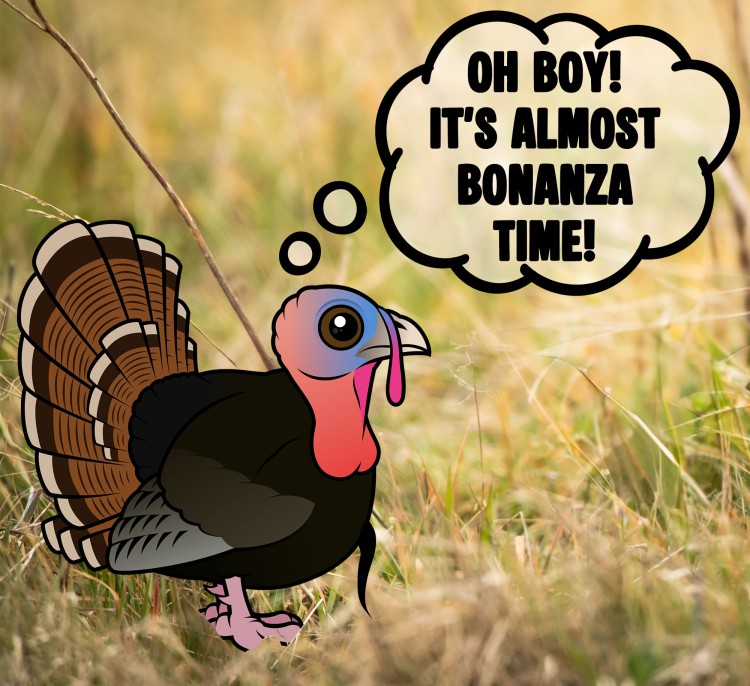
Every year since 2009, we've celebrated a special annual tradition: the Birdorable Bonanza, where we reveal multiple new birds over consecutive days. We’re excited to announce that it’s happening again! This year marks our 17th annual Bonanza, and we can’t wait to share it with you, starting Monday!

This year’s Bonanza will kick off Cyber Monday, and it will feature ten brand-new Birdorable birds! That means for ten days in a row, we’ll introduce one new Birdorable bird each day. We've got a lineup of fun birds from all over the world ready to share with you.

Thanksgiving is a great time to reflect on things we’re thankful for, and here at Birdorable, we’re especially thankful for birds and the people who love them. Whether you’re a lifelong birder, a new bird enthusiast, or someone who just loves cute animals, we appreciate you being part of our flock. Thank you!

Be sure to check back each day starting Monday to meet the new birds, learn something new, and maybe even find a new favorite. 

Guess the First Bird

In keeping with tradition, we'll end today's announcement post with a teaser for the upcoming new bird. Our first new feathered friend is a loud little bird from Down Under. It’s not shy about making noise. Can you guess what our first Bonanza 2025 bird will be? 
Birdorable Bonanza 2025 Preview 1

Enjoy your weekend and we'll see you Monday!

Florida is home to an incredible variety of birds, thanks to its subtropical climate, coastal wetlands, and diverse habitats. Whether you're a local birder or visiting the Sunshine State, some birds are so iconic that they’re practically part of Florida’s identity. Here are five must-know species that call Florida home—starting with the state bird.

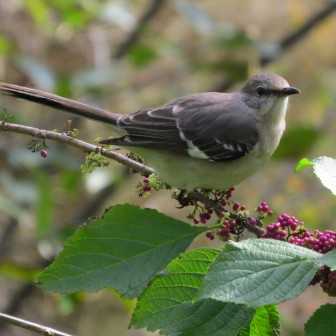
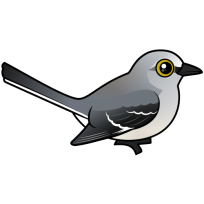
Northern Mockingbird

Florida’s official state bird since 1927, the Northern Mockingbird is famous for its vocal talents of mimicking other birds. They're medium-sized gray birds with white patches on their wings and tail, often seen singing from treetops or fences. Mockingbirds are common in suburban neighborhoods, parks, and gardens. If one takes a liking to your yard, you’ll likely hear it day and night, especially during breeding season.

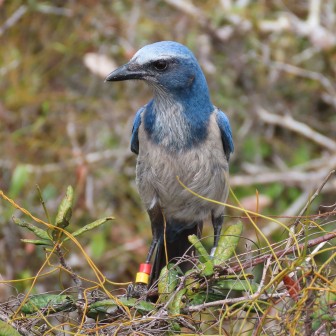
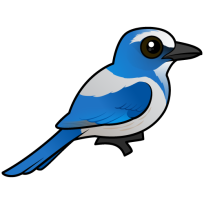
Florida Scrub-Jay

The Florida Scrub-Jay is the only bird species found exclusively in Florida. It should undoubtedly be the state bird, but that's another story. This bold, inquisitive bird has striking blue and gray plumage and lives in a very specific habitat: scrubby flatwoods. These areas are increasingly rare due to development, making the Florida Scrub-Jay a federally threatened species. Florida Scrub-Jays live in close-knit family groups. 

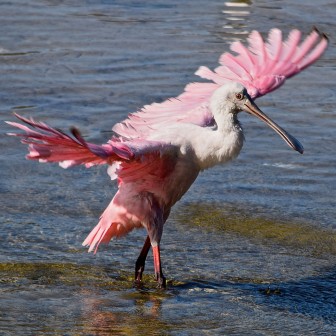
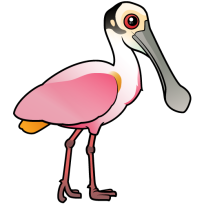
Roseate Spoonbill

The Roseate Spoonbill brings a splash of tropical color to Florida’s wetlands. With its bright pink feathers and unique spoon-shaped bill, it’s often mistaken for a flamingo at a distance. Spoonbills use their unusual bills to sweep through shallow water, feeling for crustaceans and small fish. They're most commonly found in mangroves, saltwater lagoons, and estuaries. The pink color comes from the carotenoids in their diet—similar to flamingos.

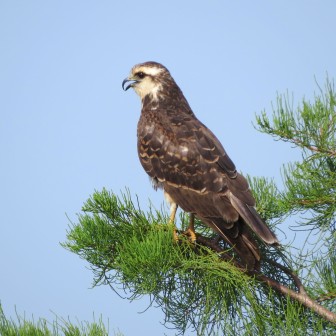
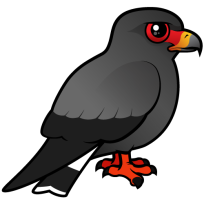
Snail Kite

This raptor is specially adapted to feed almost exclusively on snails. The Snail Kite has a slender, deeply hooked bill perfect for extracting snails from their shells. Males are mostly dark gray with red legs and eyes, while females are brown with streaky underparts. These birds are found around freshwater marshes and lakes in central and southern Florida. Because of their dependence on healthy wetland ecosystems and a steady supply of snails, they are considered a threatened species.

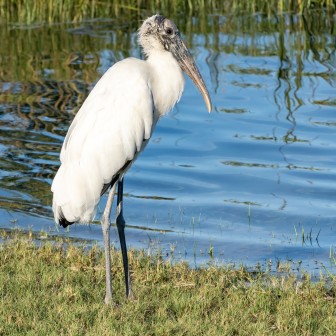
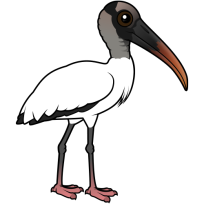
Wood Stork

The Wood Stork is a large, bald-headed wading bird that may not win beauty contests but plays a critical role in Florida’s wetland ecosystems. These birds forage in shallow water by feel, snapping their bills shut when they sense prey like fish or amphibians. Wood Storks are social nesters, often forming noisy colonies high in cypress trees. Habitat loss has affected their numbers, but conservation efforts have helped stabilize populations in recent years. Seeing a group of these big birds take flight is a classic Florida wetland scene.

Learn More About Iconic Florida Birds

Honorable Mention

Other birds that could easily make this list include the Crested Caracara, Burrowing Owl, and Osprey. The Crested Caracara, a striking bird of prey with a bold appearance, is often seen strutting through open pastures in Central Florida. The Burrowing Owl, with its expressive face and ground-dwelling habits, is a unique resident of Florida’s dry prairies and urban fringes. And the Osprey, a fish-hunting raptor, is a familiar sight around Florida’s coastlines and lakes, often seen diving feet-first into the water or perched on man-made nesting platforms. Each of these birds adds to Florida’s rich birdlife and could easily earn a spot among the state’s most iconic species.

Florida’s birdlife is as colorful and varied as the state itself. From wetlands to backyards, these birds are just a glimpse into the biodiversity waiting to be explored.

Do birds have ears? You might think about birds like Great Horned Owl, with their ear-like feather tufts. But those aren't ears. What about birds with 'ear' in their name, like the Eared Grebe, named for the golden feathers breeding adults have at the side of the head. Those golden feathers aren't their ears, either.

But of course all birds definitely have ears—they're just not easy to spot. Unlike mammals, birds don’t have external ear flaps (called pinnae). Instead, their ears are small openings located on the sides of their heads, usually hidden under feathers. These openings lead to an internal ear structure that helps them process sound very efficiently.

Most birds rely heavily on their sense of hearing for survival. Whether it's detecting predators, communicating with flock members, or navigating during flight, hearing plays a vital role in their daily lives. Some birds have even evolved specialized adaptations to improve their hearing abilities.

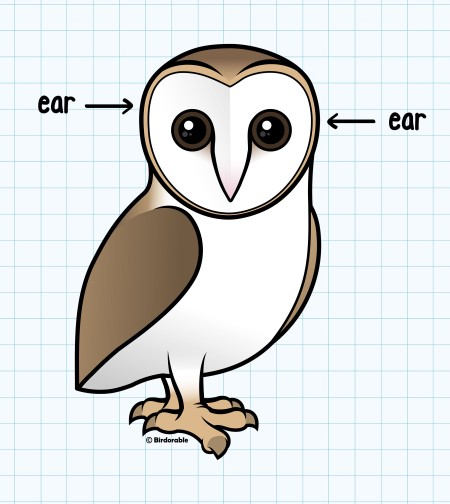
One of the most fascinating examples of this is found in owls. Many owl species have asymmetrical ear openings, with their ears positioned at different heights on their heads. This unique feature allows them to pinpoint the exact location of a sound in three-dimensional space. When an owl hears a noise, such as the rustling of a mouse in the grass, the sound reaches each ear at slightly different times and volumes. The owl’s brain processes this information to zero in on the prey with incredible accuracy, even in complete darkness.

The shape and placement of feathers around a bird’s face also help with hearing. Again in owls, the facial disc can act like a satellite dish, collecting and funneling sound toward the ears. This gives them an edge in hunting by ear alone.

Birds that live in noisy environments, like cities, may have adapted to filter out background noise. Some songbirds can change the pitch or volume of their calls to be heard over traffic or other urban sounds. 

Not all birds have super-sensitive hearing, though. Species that rely more on sight, like hawks or hummingbirds, may not have the same auditory adaptations as owls or nightjars. But even these birds still depend on their hearing to some extent, for detecting threats, finding mates, or raising chicks.

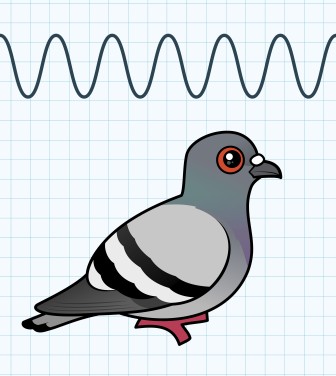
Interestingly, some studies suggest that certain birds can hear infrasound (very low-frequency sounds), which helps them detect distant storms or earthquakes. Pigeons, for example, might use low-frequency sounds to navigate during long flights. This type of hearing ability is still being researched, but it points to just how diverse and specialized avian hearing can be.

Another cool fact: bird ears are involved in keeping their balance, just like in humans. The inner ear contains structures that help birds stay upright and steady during flight, landings, and perching.

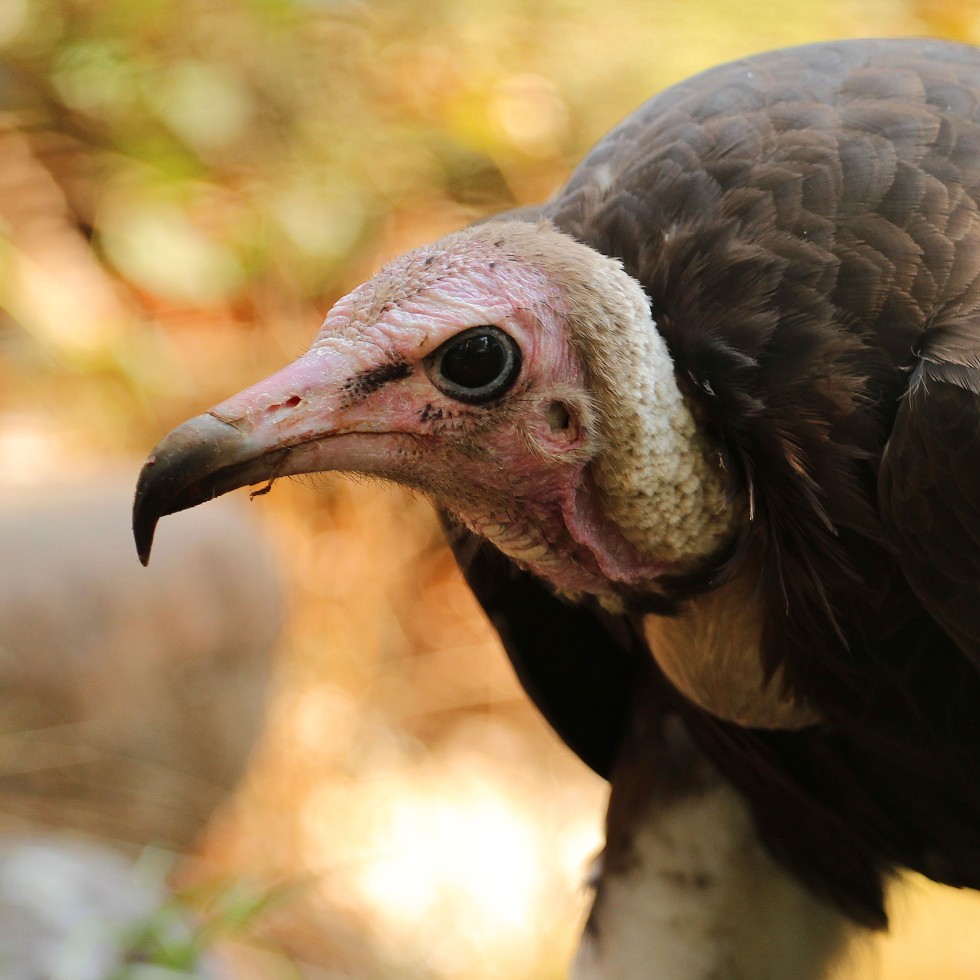
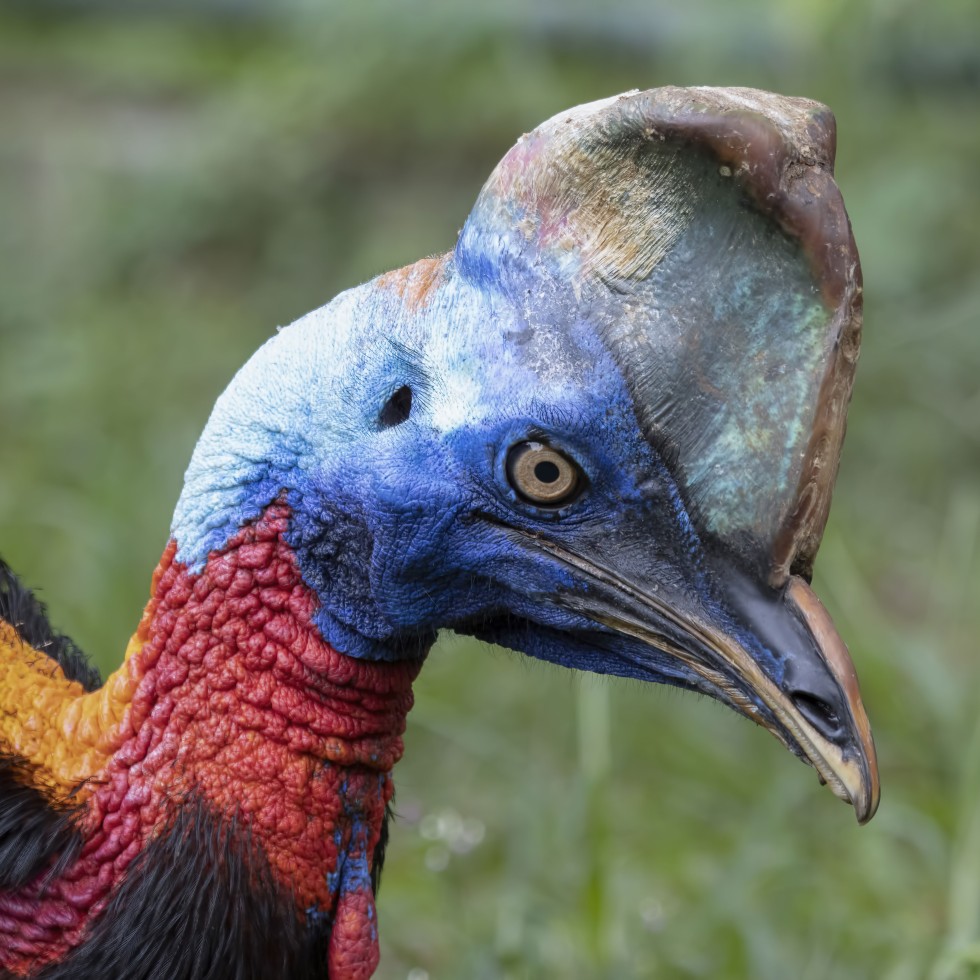
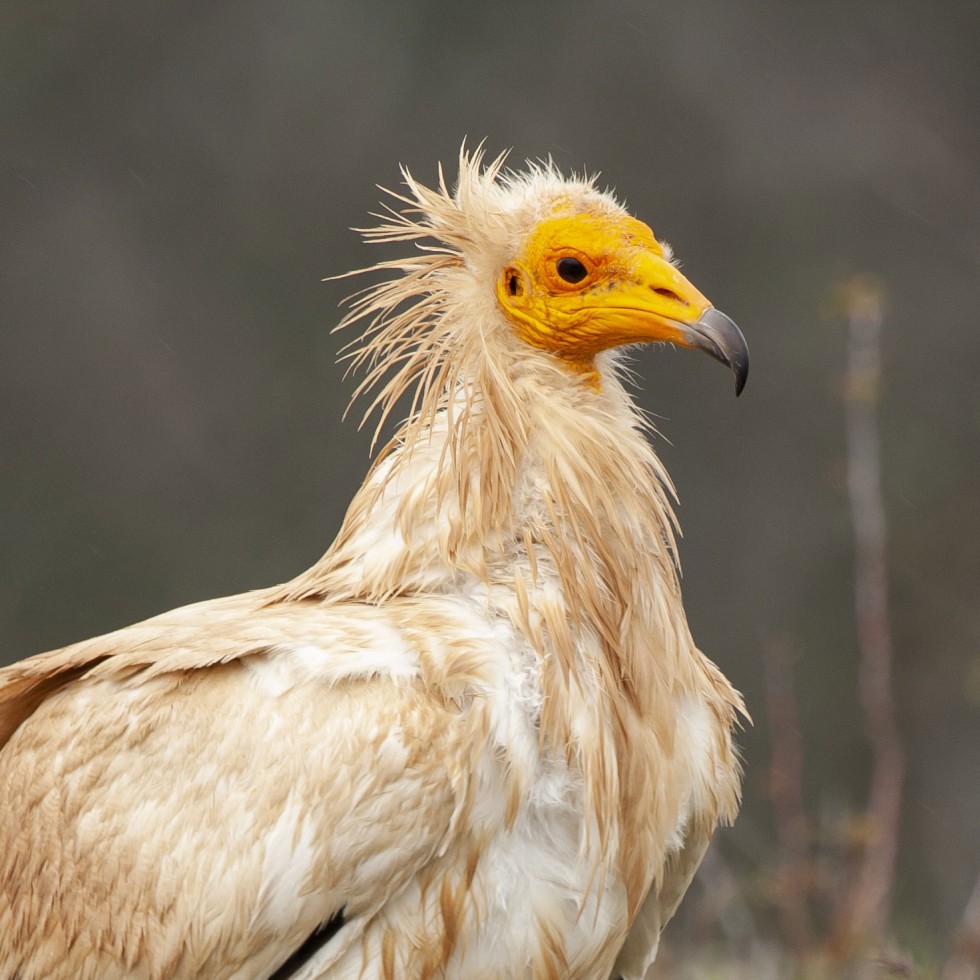
While the ears of birds with feathered heads are not usually visible, the ears, or rather ear holes, on birds with bare heads might be easier to find. Can you spot the ears on these three birds? Do you recognize the species? (Hint: you can click on each bird to learn more).