


5 Iconic Florida Birds Everyone Should Know
Florida is home to an incredible variety of birds, thanks to its subtropical climate, coastal wetlands, and diverse habitats. Whether you're a local birder or visiting the Sunshine State, some birds are so iconic that they’re practically part of Florida’s identity. Here are five must-know species that call Florida home—starting with the state bird.
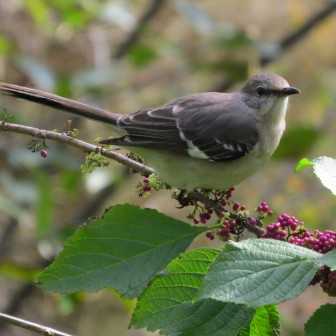
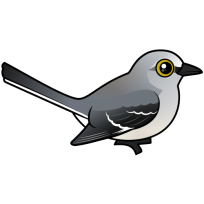
Northern Mockingbird
Florida’s official state bird since 1927, the Northern Mockingbird is famous for its vocal talents of mimicking other birds. They're medium-sized gray birds with white patches on their wings and tail, often seen singing from treetops or fences. Mockingbirds are common in suburban neighborhoods, parks, and gardens. If one takes a liking to your yard, you’ll likely hear it day and night, especially during breeding season.
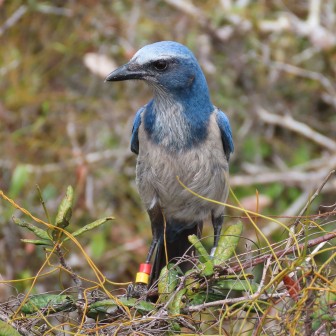
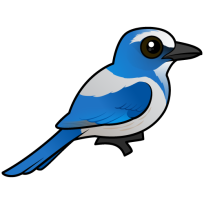
Florida Scrub-Jay
The Florida Scrub-Jay is the only bird species found exclusively in Florida. It should undoubtedly be the state bird, but that's another story. This bold, inquisitive bird has striking blue and gray plumage and lives in a very specific habitat: scrubby flatwoods. These areas are increasingly rare due to development, making the Florida Scrub-Jay a federally threatened species. Florida Scrub-Jays live in close-knit family groups.
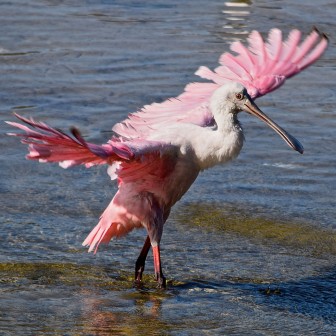
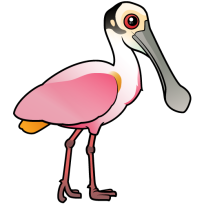
Roseate Spoonbill
The Roseate Spoonbill brings a splash of tropical color to Florida’s wetlands. With its bright pink feathers and unique spoon-shaped bill, it’s often mistaken for a flamingo at a distance. Spoonbills use their unusual bills to sweep through shallow water, feeling for crustaceans and small fish. They're most commonly found in mangroves, saltwater lagoons, and estuaries. The pink color comes from the carotenoids in their diet—similar to flamingos.
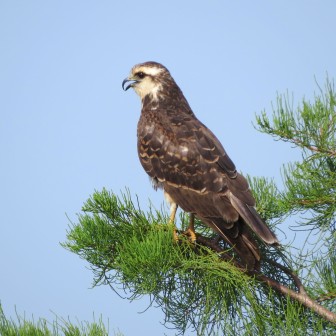
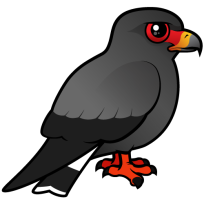
Snail Kite
This raptor is specially adapted to feed almost exclusively on snails. The Snail Kite has a slender, deeply hooked bill perfect for extracting snails from their shells. Males are mostly dark gray with red legs and eyes, while females are brown with streaky underparts. These birds are found around freshwater marshes and lakes in central and southern Florida. Because of their dependence on healthy wetland ecosystems and a steady supply of snails, they are considered a threatened species.
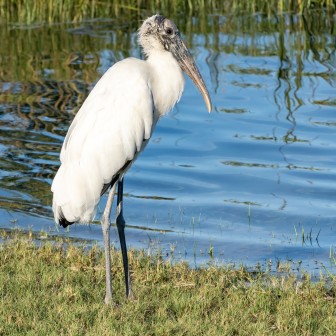
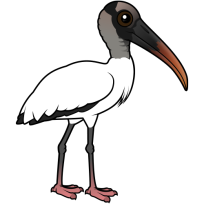
Wood Stork
The Wood Stork is a large, bald-headed wading bird that may not win beauty contests but plays a critical role in Florida’s wetland ecosystems. These birds forage in shallow water by feel, snapping their bills shut when they sense prey like fish or amphibians. Wood Storks are social nesters, often forming noisy colonies high in cypress trees. Habitat loss has affected their numbers, but conservation efforts have helped stabilize populations in recent years. Seeing a group of these big birds take flight is a classic Florida wetland scene.
Learn More About Iconic Florida Birds
Honorable Mention
Other birds that could easily make this list include the Crested Caracara, Burrowing Owl, and Osprey. The Crested Caracara, a striking bird of prey with a bold appearance, is often seen strutting through open pastures in Central Florida. The Burrowing Owl, with its expressive face and ground-dwelling habits, is a unique resident of Florida’s dry prairies and urban fringes. And the Osprey, a fish-hunting raptor, is a familiar sight around Florida’s coastlines and lakes, often seen diving feet-first into the water or perched on man-made nesting platforms. Each of these birds adds to Florida’s rich birdlife and could easily earn a spot among the state’s most iconic species.
Florida’s birdlife is as colorful and varied as the state itself. From wetlands to backyards, these birds are just a glimpse into the biodiversity waiting to be explored.


Comments
Leave a comment
Thank you!