


The Hidden Ears of Birds: How Avian Hearing Works
Do birds have ears? You might think about birds like Great Horned Owl, with their ear-like feather tufts. But those aren't ears. What about birds with 'ear' in their name, like the Eared Grebe, named for the golden feathers breeding adults have at the side of the head. Those golden feathers aren't their ears, either.
But of course all birds definitely have ears—they're just not easy to spot. Unlike mammals, birds don’t have external ear flaps (called pinnae). Instead, their ears are small openings located on the sides of their heads, usually hidden under feathers. These openings lead to an internal ear structure that helps them process sound very efficiently.
Most birds rely heavily on their sense of hearing for survival. Whether it's detecting predators, communicating with flock members, or navigating during flight, hearing plays a vital role in their daily lives. Some birds have even evolved specialized adaptations to improve their hearing abilities.
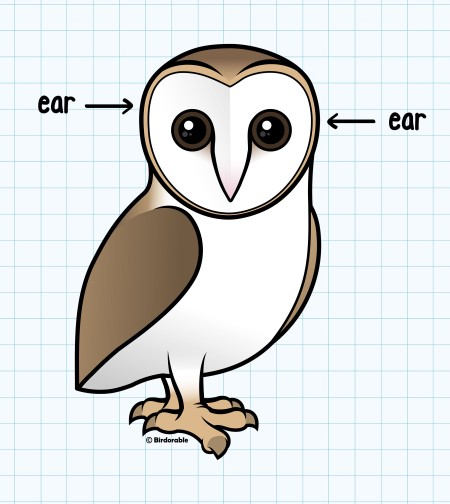
One of the most fascinating examples of this is found in owls. Many owl species have asymmetrical ear openings, with their ears positioned at different heights on their heads. This unique feature allows them to pinpoint the exact location of a sound in three-dimensional space. When an owl hears a noise, such as the rustling of a mouse in the grass, the sound reaches each ear at slightly different times and volumes. The owl’s brain processes this information to zero in on the prey with incredible accuracy, even in complete darkness.
The shape and placement of feathers around a bird’s face also help with hearing. Again in owls, the facial disc can act like a satellite dish, collecting and funneling sound toward the ears. This gives them an edge in hunting by ear alone.
Birds that live in noisy environments, like cities, may have adapted to filter out background noise. Some songbirds can change the pitch or volume of their calls to be heard over traffic or other urban sounds.
Not all birds have super-sensitive hearing, though. Species that rely more on sight, like hawks or hummingbirds, may not have the same auditory adaptations as owls or nightjars. But even these birds still depend on their hearing to some extent, for detecting threats, finding mates, or raising chicks.
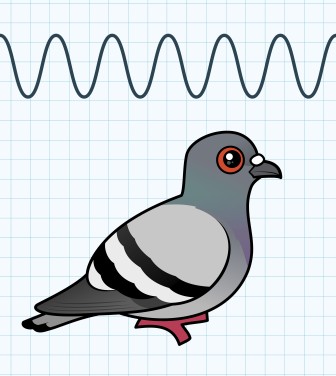
Interestingly, some studies suggest that certain birds can hear infrasound (very low-frequency sounds), which helps them detect distant storms or earthquakes. Pigeons, for example, might use low-frequency sounds to navigate during long flights. This type of hearing ability is still being researched, but it points to just how diverse and specialized avian hearing can be.
Another cool fact: bird ears are involved in keeping their balance, just like in humans. The inner ear contains structures that help birds stay upright and steady during flight, landings, and perching.
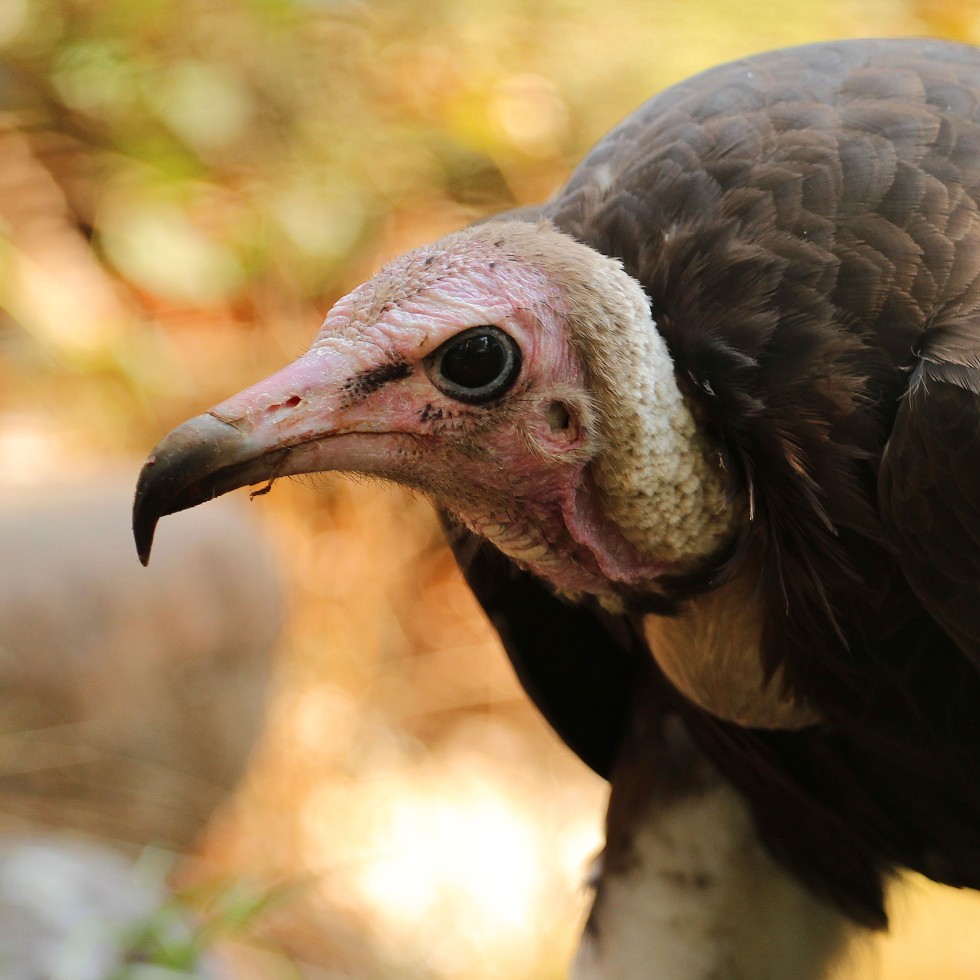
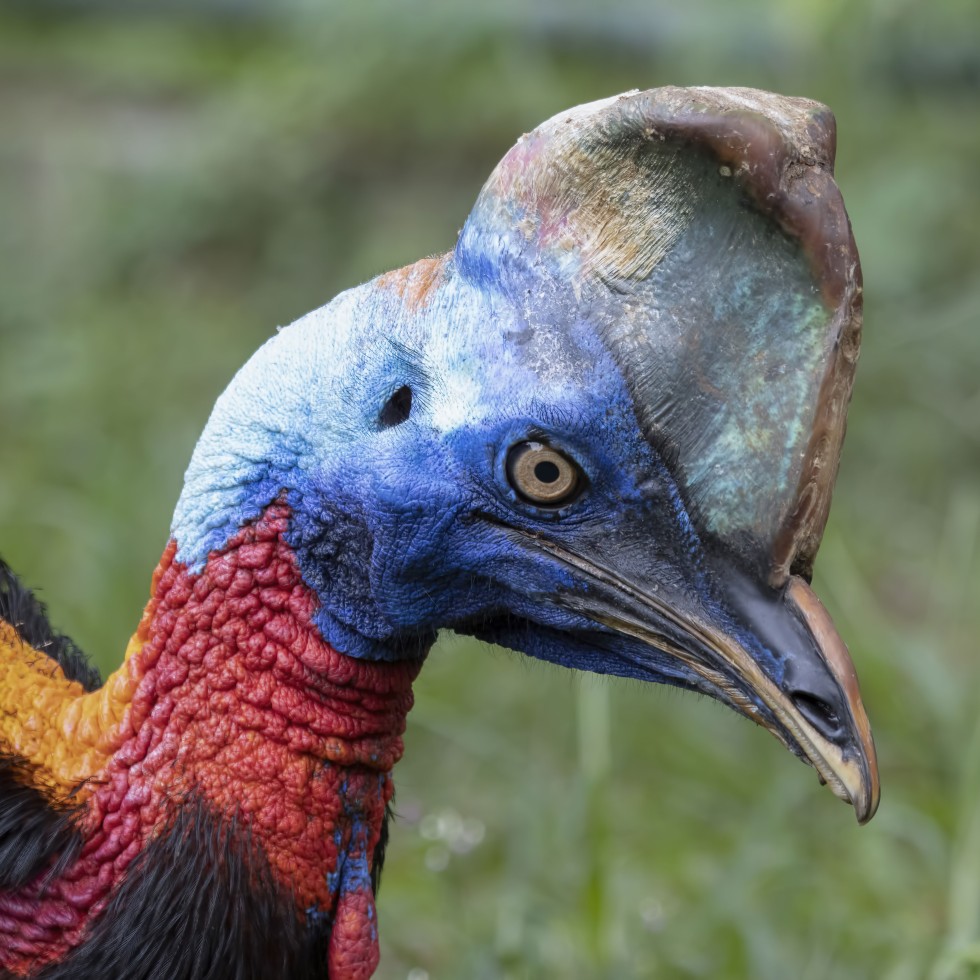
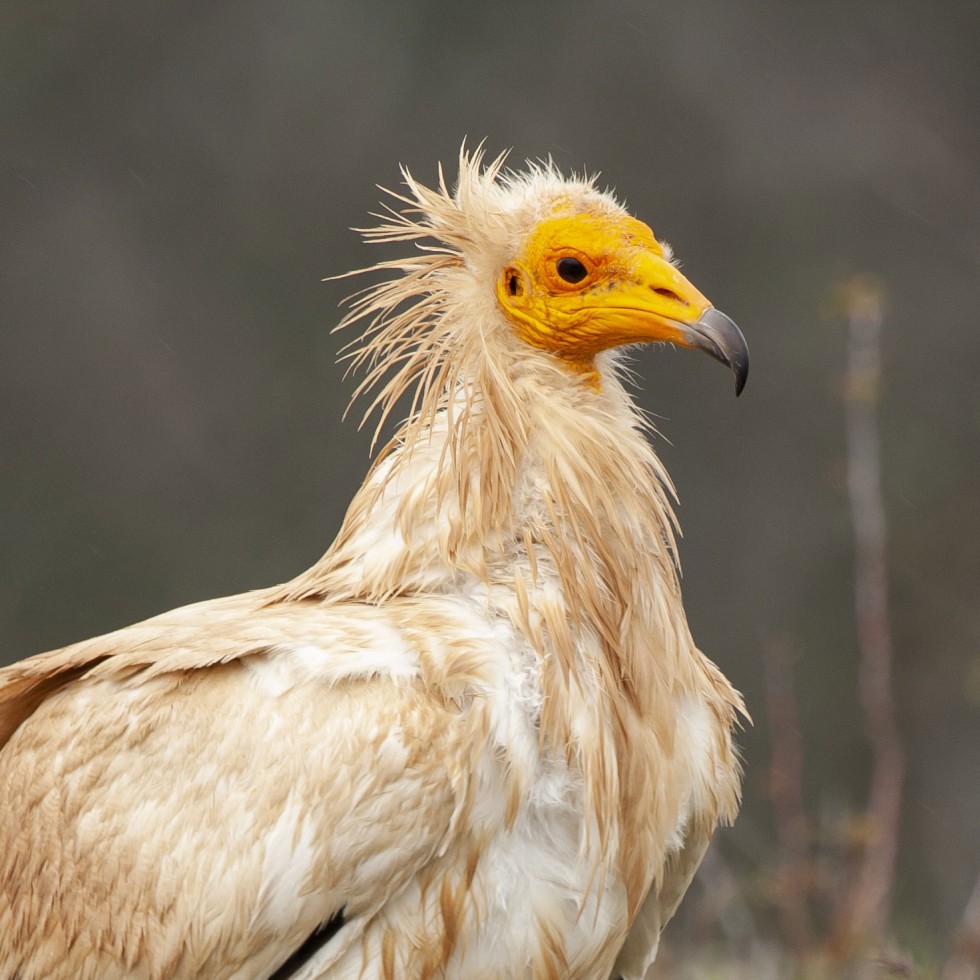
While the ears of birds with feathered heads are not usually visible, the ears, or rather ear holes, on birds with bare heads might be easier to find. Can you spot the ears on these three birds? Do you recognize the species? (Hint: you can click on each bird to learn more).


Comments
Leave a comment
Thank you!