


How Far Can They Go? Amazing Bird Migration Facts for World Migratory Bird Day

Every October, millions of birds take to the skies as they travel thousands of miles toward their wintering grounds. To celebrate World Migratory Bird Day (WMBD), one week from today on October 11, 2025, we’re spotlighting some birds that are true champions of long-distance travel.
These species make epic journeys across oceans, continents, and time zones—and many return to the same place every year!
Arctic Tern: The Ultimate Globe-Trotter
The Arctic Tern holds the record for the longest migration in the animal kingdom. These sleek white seabirds breed in the Arctic and fly all the way to Antarctica for the southern summer—a round trip of over 44,000 miles (71,000 km) each year!
That means an Arctic Tern sees two summers every year and experiences more daylight than any other animal on Earth.
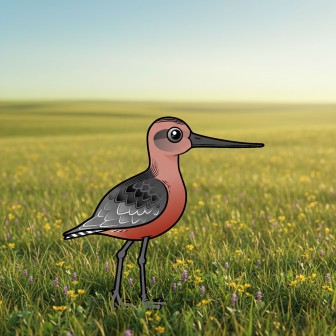
Bar-tailed Godwit: Nonstop Flight Record-Holder
In 2022, a satellite-tagged Bar-tailed Godwit flew from Alaska to Australia nonstop—a journey of over 8,400 miles (13,500 km) in 11 days. No food, no rest, just pure endurance.
These shorebirds rely on healthy wetlands to fuel up before their flights, making habitat conservation vital to their survival.
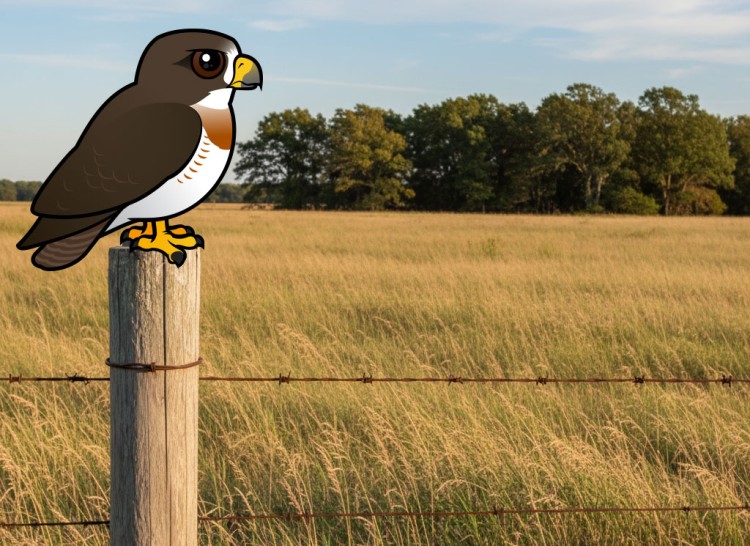
Swainson’s Hawk: From Prairie to Pampas
Swainson’s Hawks breed in the grasslands of western North America and migrate to Argentina for the winter. That’s a trip of nearly 6,000 miles (9,600 km)—each way!
They form large flocks during migration, sometimes called “kettles,” and ride thermals across the sky like gliders.
What You Can Do to Help Migrating Birds
Migration is dangerous. Birds face threats from habitat loss, window collisions, and light pollution. Here are 3 easy things you can do at home to help birds on the move:
-
Make windows bird-safe
Use decals, tape, or screens to prevent deadly collisions. Birds often don’t see glass. -
Turn off outdoor lights at night
Bright lights disorient migrating birds. Go dark, especially during peak migration. -
Plant native plants
Native trees and shrubs provide natural food and shelter. Bonus: You’ll attract more birds to your yard!
Whether it’s flying from pole to pole or crossing entire oceans, migratory birds are some of the most incredible travelers on the planet. This World Migratory Bird Day, let’s celebrate their journeys—and do our part to help them get there safely.
Which migratory bird is your favorite? What will you do to celebrate migratory birds next weekend? Let us know in the comments!
Fun Godwit Migration Merch













Comments
Leave a comment
Thank you!