


Summer Blog Series
The White Ibis and the Story Behind Its Stormy Nickname
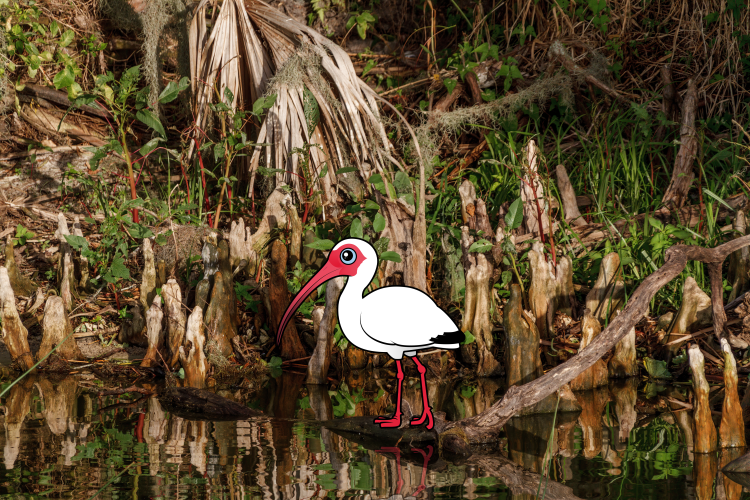
Did you know that the White Ibis is sometimes called the "hurricane bird"? This coastal wader, known for its bright white feathers, pinkish-red bill, and curved posture, has a reputation for behaving in ways that seem to predict the weather. The nickname comes from a mix of science and folklore, especially in hurricane-prone states like Birdorable's home here in Florida.
One of the main reasons White Ibises have earned this nickname is their tendency to change locations before a storm. Observers have long noted that large flocks will move inland from the coast before a hurricane or severe weather hits. It's as if they can sense the shift in atmospheric pressure or other environmental cues, prompting them to seek safer ground. This behavior isn’t just a fluke—many coastal birds have evolved to respond to changing conditions, but the White Ibis seems to do it in especially noticeable numbers.
In southern communities, this behavior has turned into local lore. People say that when they see White Ibises gathering in unusual numbers, flying away from the coast, or changing their feeding habits, it's time to keep an eye on the weather forecast. In this way, White Ibises have become an unofficial early-warning system. While not a replacement for meteorology, they add a natural signal that some folks still trust.
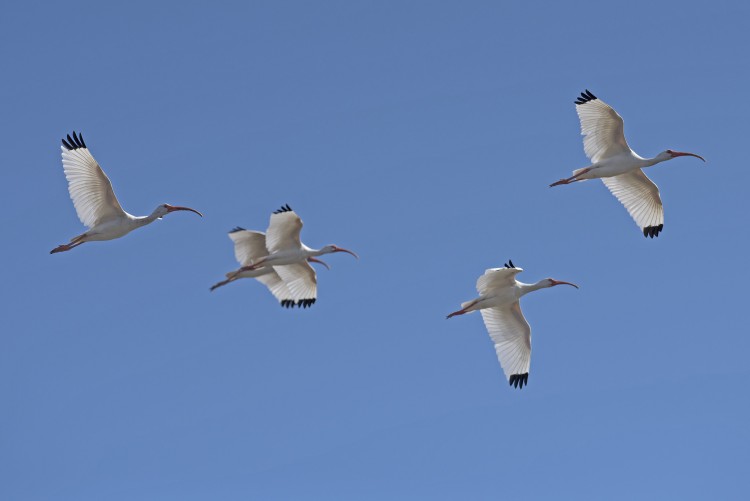
White Ibises in flight by Florida Fish and Wildlife [CC BY-ND 2.0]
Adding to their "storm bird" reputation is the fact that White Ibises are often among the first birds to return to coastal wetlands after a hurricane has passed. Their return can be seen as a small sign of recovery, a symbol of the ecosystem beginning to bounce back. Seeing them wade through flooded marshes or forage in newly settled areas can be a comforting sight to people living in storm-hit regions.
White Ibises are common in southeastern wetlands, often foraging in groups in shallow water. They use their long, curved bills to probe for insects, crustaceans, and small fish. They nest in colonies, often with other wading birds, and their social nature makes their movements more noticeable to birdwatchers and locals alike.
Hurricane season in the southeastern U.S. runs from June through November, so it's the perfect time to watch White Ibis behavior closely. Whether you're a birder keeping field notes or just someone who enjoys spotting birds in your neighborhood, the presence—or sudden absence—of these birds might hint at changes ahead.
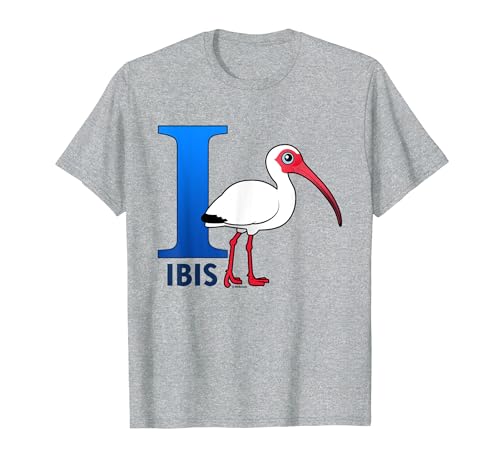
At Birdorable, we love sharing fun facts like this with our readers and fans. Our Birdorable White Ibis might not predict a storm, but it's ready to brighten your day no matter the weather!



Comments
Leave a comment
Thank you!