


Summer Blog Series
Birdorable’s Summer Bucket List: 10 Must-See Birds and Where to Find Them
Summer is the perfect time to grab your binoculars and hit the trail—or even just step outside into your backyard! Whether you're new to birdwatching or a seasoned birder, summer offers a chance to see some amazing birds in action. From colorful songbirds to sleek waterbirds, here’s a fun Summer Bucket List of 10 birds to look out for this season, plus where you're likely to find them. This list is aimed at our North American friends; if you'd like to see a similar list for another part of the world, please let us know!
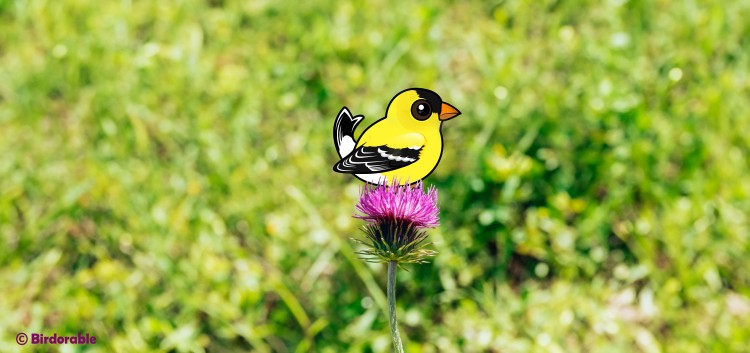
American Goldfinch
These bright yellow birds are common across most of the United States and southern Canada. Look for them in weedy fields and backyards, especially where thistles grow. If you don't have American Goldfinches breeding where you live, try looking for House Finches, whose year-round range includes much of the United States, apart from the central mountain region.
Ruby-throated Hummingbird
The only breeding hummingbird in the eastern U.S., they range from the Gulf Coast north to southern Canada. Attracted to gardens with flowers or nectar feeders, they’re a summer favorite. If you're out of their range, pick another native hummingbird to find, like the Black-chinned Hummingbird, widespread across the west.
Barn Swallow
Found across almost all of North America during summer, Barn Swallows nest under eaves, bridges, and barns. Their acrobatic flight makes them easy to spot near open areas. For an added challenge, look for Chimney Swifts in the eastern half of the U.S., or White-throated Swifts in the west. These high fliers have similar traits -- see if you can learn the differences between these flying friends.
Eastern Bluebird
Common in the eastern half of the U.S. and parts of the Southwest during summer, Eastern Bluebirds prefer open country with scattered trees and nest boxes. If these blue beauties aren't in your neighborhood, try looking for Mountain Bluebirds, or Western Bluebirds.
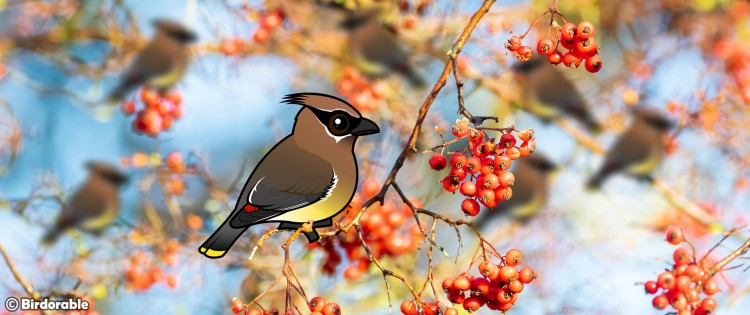
Cedar Waxwing
These birds breed across most of southern Canada and the northern U.S., but can be seen throughout much of the continent in summer. Watch for flocks near fruiting trees and water. If you're south of their summer range, try finding another berry-loving species: the Northern Mockingbird.
Great Blue Heron
Great Blue Herons can be found along coasts, wetlands, and inland waterways across great parts of the continent. During the summer, these imposing waders are active and visible around lakes, marshes, and coastal shores.
Belted Kingfisher
Found across most of North America near lakes, rivers, and coasts, these little fish-lovers are recognizable by their rattling call and mohawk-like crest. Watch for them diving headfirst into water to catch fish.
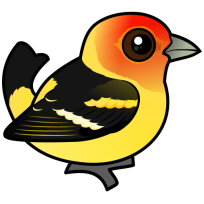
Western Tanager
This colorful cutie is a summer visitor to western North America, from California to British Columbia and the Rockies. Males are eye-catching with red heads and yellow bodies. They often stay high in the canopy, but their vivid colors can give them away. Out of range alternatives to look for: Summer Tanagers across the south and Scarlet Tanagers across the east.
Killdeer
Widespread in open areas across North America, these familiar plovers often nest on gravel rooftops or bare ground and are famous for their “broken wing” act to lure predators away from their nests.
Common Nighthawk
Seen across most of North America, only in summer, Common Nighthawks are active at dusk in both cities and open areas. Listen for their nasal "peent" call and watch for their erratic flight. As an alternative, you could try looking for a Black-crowned Night Heron.
Learn About Some Of Our Bucket List Birds
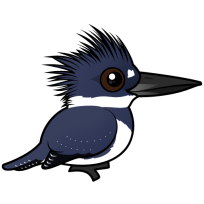
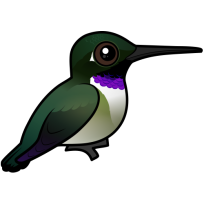
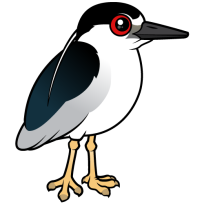
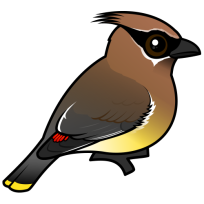
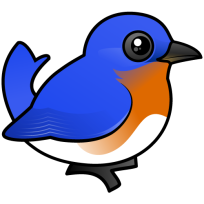
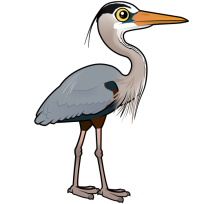
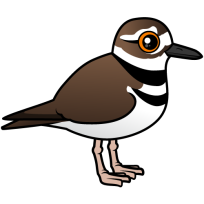

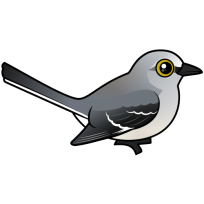
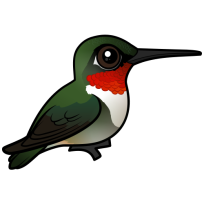
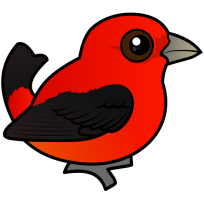
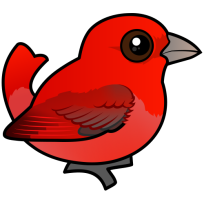
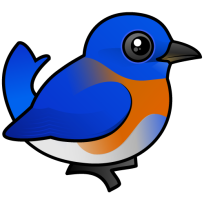
Could you find all of these birds during the summer? Would you have to travel far to see them, or can you check them off in your yard, neighborhood, or nearby park? Could you find them all in a day? A week?
With a little luck and some time outdoors, hopefully you can check off several of these birds from your summer list. See how many you can find in your area and let us know how you do in the comments! Happy summer birding!


Comments
Leave a comment
Thank you!