


From Eyas to Squab: Do You Know These Special Names for Bird Chicks?
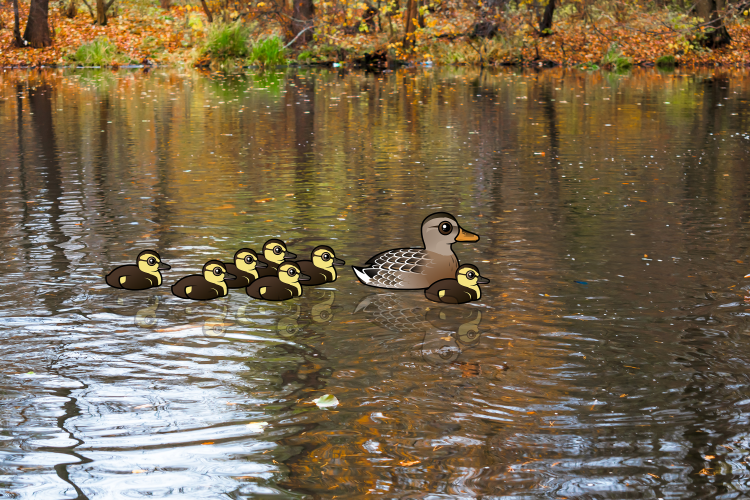
Mother Mallard with her ducklings
When it comes to baby birds, most people think of the word "chick" as a catch-all term. And while "chick" works for nearly all bird species, some types of birds have unique names for their young. These special terms often come from traditional falconry, farming, or historical use, and they can tell us a bit about how humans have interacted with certain birds over time.
One of the most well-known examples is eaglet, the specific term for a young eagle. This word has roots in Old French (as the diminutive of eagle) and has been used for centuries, especially in literature and ornithology. Eaglets are typically seen as majestic and noble, mirroring the cultural significance of adult eagles.
Another specialized term is eyas, which refers to a young species of falcon, especially one that is still in the nest. This word comes from Middle English falconry and was originally “niais,” from Latin “nidus,” meaning simply nest. Over time, “a niais” became “an eyas.” This evolution in language is called rebracketing, and it’s how “an apron” came from “a napron” as well. Eyas is rarely used outside falconry circles, but it's still an important word for anyone working with raptors.
For game birds like turkeys and pheasants, the word poult is used. A poult is a young game bird that hasn't yet reached maturity. This term is especially common among poultry farmers and hunters. It's practical and widely understood in agriculture, where these birds are often raised.
Swans, known for their elegance, have a unique baby name too: cygnet. This comes from the Latin word “cygnus,” meaning swan, combined with the French diminutive “-et,” making it literally little swan. Cygnet is used exclusively for young swans, and is especially common in the UK and in literary usage.
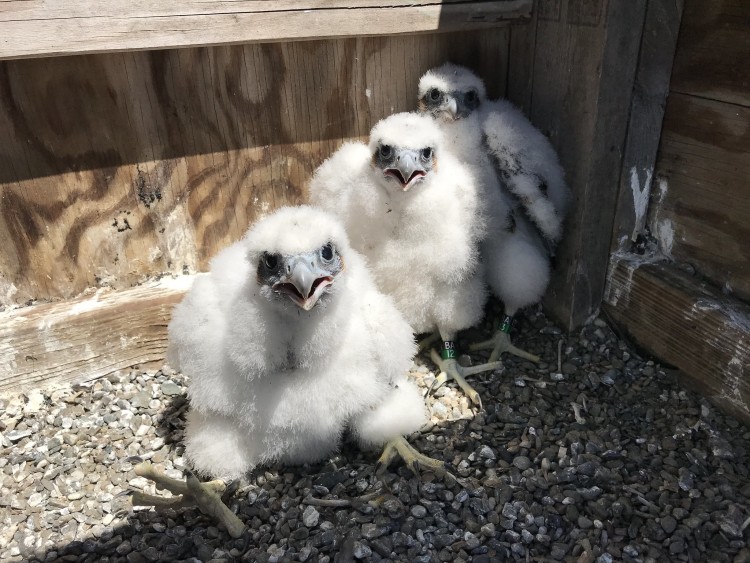
Peregrine Falcon eyases by Metropolitan Transportation Authority [CC BY 2.0]
Owls have their own baby term as well: owlet. This word functions similarly to eaglet, simply adding the diminutive suffix “-let” to the adult bird’s name. Owlet is widely used and appears in both scientific and casual contexts.
Another unique term is squab, which refers to a young pigeon, usually one that is still in the nest and has not yet fledged. Squabs are known for being plump and fast-growing, and the word is often used in culinary contexts as well, since young domestic pigeons have historically been raised for food. In birding and aviculture, the term helps distinguish these very young birds from older birds, especially in species like Rock Pigeons and domesticated breeds.
Some birds have more general names for their young. Ducks and geese both have chicks, but we usually call them ducklings and goslings. The “-ling” suffix is another diminutive, like “-let,” used to indicate something small or young. The same goes for fledgling, a term used more broadly for young birds that have just left the nest but are not yet fully independent. The terms hatchling and nestling follow this same format.
Unique chick names are more common for birds that have had long relationships with humans, be it through hunting, farming, or cultural symbolism. That’s why many raptors, swans, and game birds have special names for their young, while other birds do not. While "chick" works for almost any young bird, using more specific names like cygnet or eyas can add clarity and depth, especially when talking about particular species or stages of development. Whether you're a birder, pet owner, or just bird-curious, knowing these terms is a fun way to connect more closely with the avian world.


Comments
Leave a comment
Thank you!