


Vulture Week 2025
Debunking Vulture Myths: Clean, Helpful, and Essential
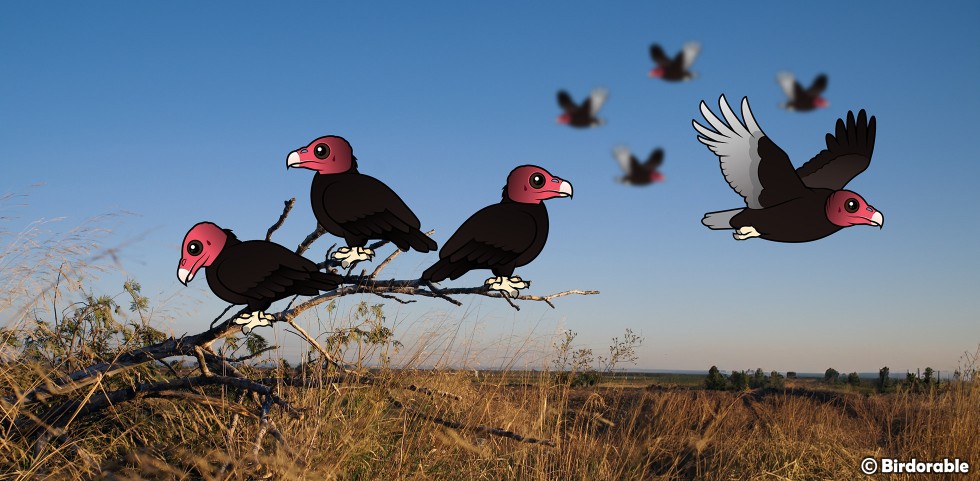
International Vulture Awareness Day is coming up this Saturday, September 6, 2025. We've celebrated vultures here on the Birdorable blog before, and we're continuing the tradition with a Vulture Week series leading up to the big day. We're going to share new posts and reiterate essential vulture facts, aiming to share information and vulture love with faithful readers and newcomers to our blog alike.
When you hear the word vulture, what comes to mind? For many people, it’s an image straight out of a cartoon or horror movie: a creepy bird lurking around something dead or dying, waiting to pounce. But that image is more fiction than fact. In reality, vultures are among the cleanest birds in the natural world. And their role is truly essential. Let’s challenge the idea that vultures are “gross” and uncover the real story behind these misunderstood birds.
One of the most common myths is that vultures are dirty or spread disease. Actually, it’s the opposite. Vultures are nature’s sanitizers. They feed on dead animals, removing potential disease sources before bacteria and viruses have a chance to spread. Their stomach acid is extremely strong—so acidic that it can break down deadly pathogens like botulism, anthrax, and rabies. Other animals could get sick from eating decayed meat, but vultures are built for it.
Another built-in hygiene feature? Many vultures, including Turkey Vultures and Black Vultures, urinate on their own legs. As weird as that sounds, it’s actually a clever self-cleaning mechanism. The uric acid in their waste kills bacteria they might pick up while walking on carcasses. It also helps cool them down in hot weather. It’s not glamorous, but it’s smart—and it works.
What about their bald heads? People may feel that vultures look “ugly” or “creepy” because of their featherless faces. But this is another amazing adaptation. When vultures feed, they often need to put their heads deep into carcasses. Feathers would trap blood, bacteria, and other nasty stuff. Bare skin stays much cleaner and dries quickly in the sun, reducing the chance of infection. Their heads might look a little strange, but they’re designed for staying clean while doing a dirty job.
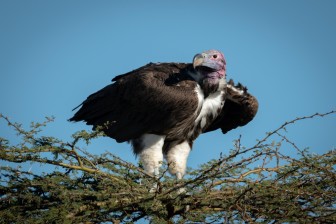
Another misconception is that vultures are lazy, or rely on other birds or animals to do all the work. In reality, vultures are highly efficient scavengers. They often soar for miles using thermal updrafts to search for food with incredible eyesight—and in some species, like the Turkey Vulture, an exceptional sense of smell. They can locate carrion that’s hidden beneath vegetation or not visible from above.
And their role in ecosystems? Absolutely critical. Vultures help stop the spread of disease by quickly removing animal remains. Without them, carcasses would linger much longer, allowing bacteria and viruses to multiply and spread. When vulture populations decline, cases of rabies and other diseases in both animals and humans increase. Their absence creates a ripple effect that can seriously damage entire ecosystems and even public health. How decline of Indian vultures led to 500,000 human deaths is an eye-opening article from the BBC.
Sadly, vulture populations are shrinking in many parts of the world. In South Asia, vulture numbers collapsed after the widespread use of the veterinary drug diclofenac, which is fatal to vultures when they eat livestock treated with it. In Africa, many vultures die from poisoning—sometimes accidentally, sometimes deliberately by poachers trying to hide illegal kills.
This Vulture Week, take a second look at these incredible birds. They might not be the flashiest or cutest at first glance, but vultures are ecological MVPs. They’re highly specialized, incredibly efficient, and deeply misunderstood. Rather than calling them gross, we should be calling them heroes.
And be sure to check out our Vultures of the World page to find out more about our amazing avian friends and see our free vulture resources and activity downloads.


Comments
Leave a comment
Thank you!