Baby Birdorable: Western Grebe

If you think our Birdorable birds are cute as adults, what about when they are babies? Below are some baby photos (shared via Flickr Creative Commons) of the Western Grebe.

The male and female in a mated Western Grebe pair build the nest together. The nest is built from material found underwater, used to build a supportive mound on water or adjacent to water. Incubation is done by both partners and takes around 24 days. Within minutes of leaving the egg, chicks are able to climb upon the back of a parent. The adults take turns swimming with and feeding the chicks.
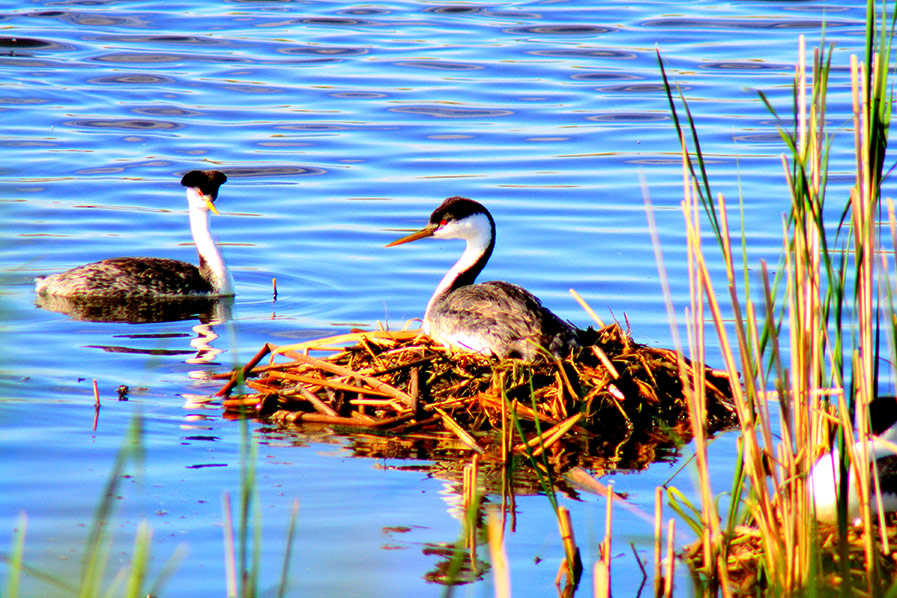
Nesting Western Grebes
Nesting Western Grebes by USFWS Mountain-Prairie (CC BY 2.0)
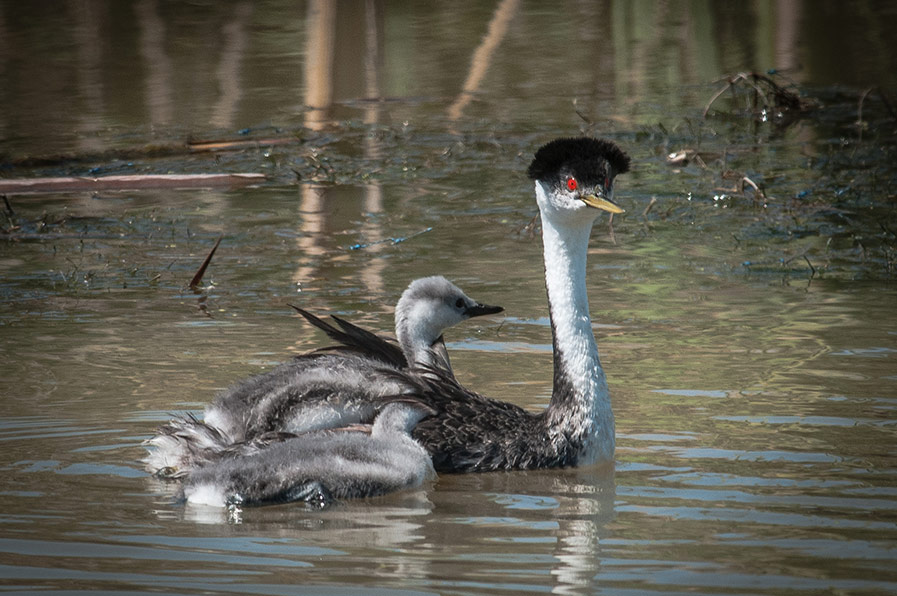
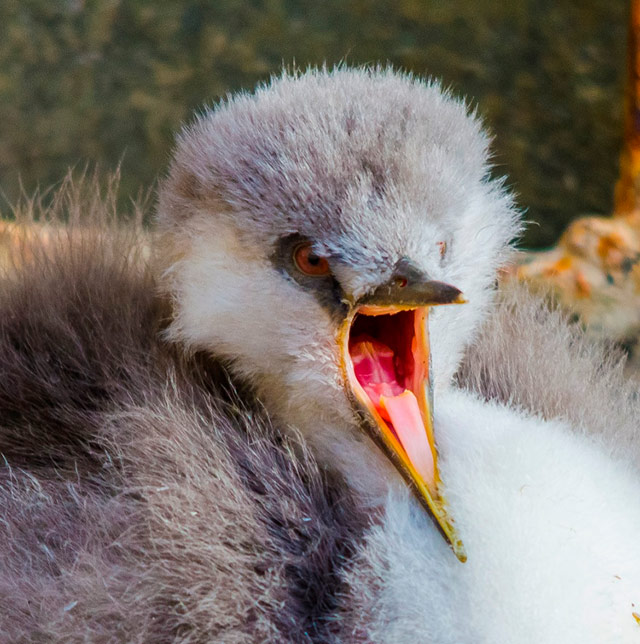
Baby Grebe
Baby Grebe by USFWS Mountain-Prairie (CC BY 2.0)
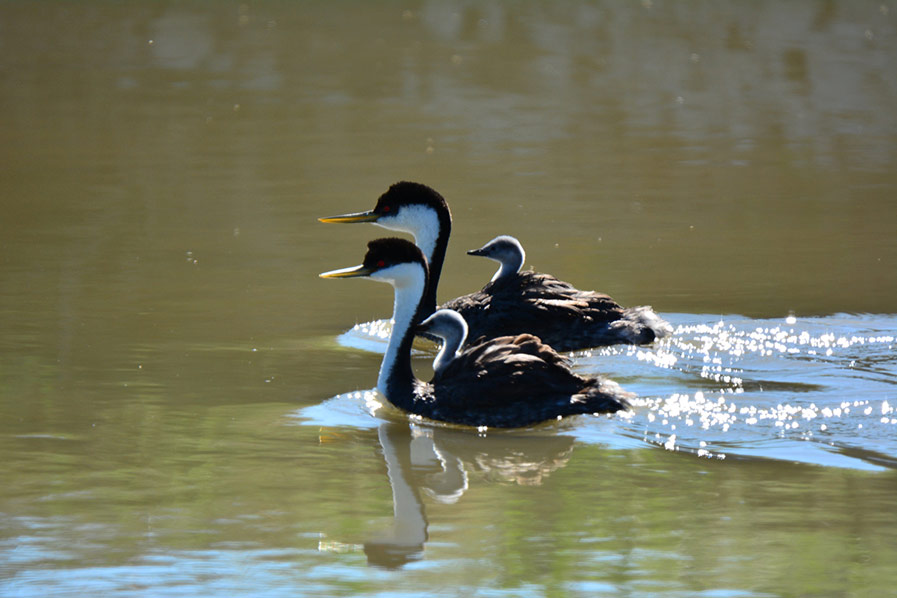
Western Grebe and chicks by
Western Grebe and chicks by USFWS Mountain-Prairie (CC BY 2.0)
Western Grebes Have Baby Races Too by
Western Grebes Have Baby Races Too by USFWS Mountain-Prairie (CC BY 2.0)
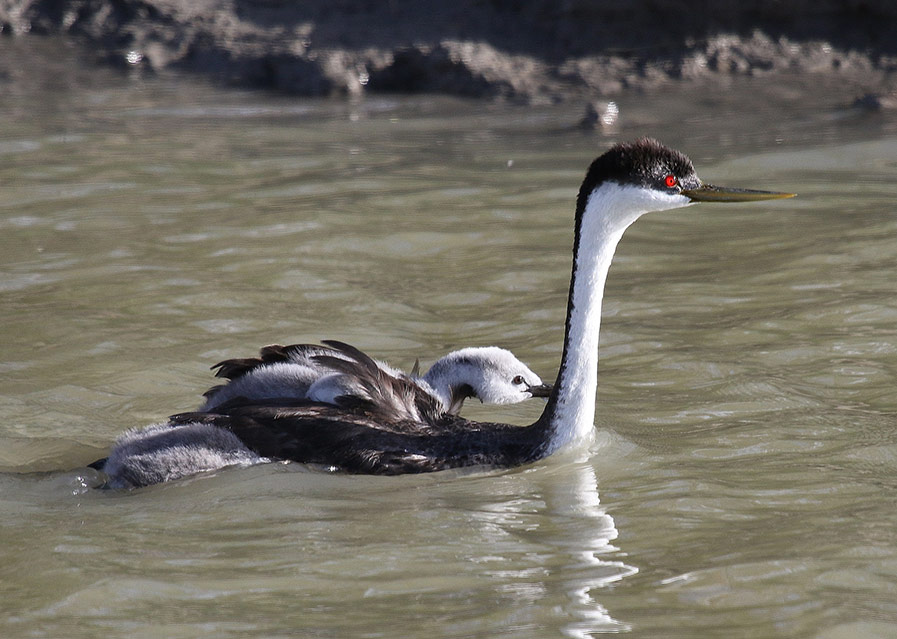
Western Grebe Carrying a Baby Grebe on Its Back
Western Grebe Carrying a Baby Grebe on Its Back by USFWS Mountain-Prairie (CC BY 2.0)

Comments

Spurwing Plover on May 18, 2022 at 6:50 AM wrote:
Baby Grebe looks Angry

Leave a comment

Comments with links or HTML will be deleted. Your comment will be published pending approval.
Your email address will not be published
You can unsubscribe from these communications at any time. For more information on how to unsubscribe, our privacy practices, and how we are committed to protecting and respecting your privacy, please review our Privacy Policy. By clicking submit below, you consent to allow Birdorable to store and process the personal information submitted above to provide you the content requested.

Bare-Faced Beauty: The Unique Appearance of Australian Brushturkeys

Happy Thanksgiving! Today's new species isn't related to today's most famous bird, but the name is similar -- welcome the Australian Brushturkey to Birdorable!Australian Brushturkeys are large, darkly plumaged birds with bare facial and neck skin. In males, the...

2015 Bonanza Bird #17: Harlequin Duck

Our Birdorable Bonanza: 2015 Advent Edition continues today with a beautiful and colorful sea duck: the Harlequin Duck! Harlequin Ducks are very beautiful sea ducks found along coastal waters across North America and eastern Asia. The species prefers fast-moving water and will...

Beyond Two Parents: Unraveling Bird Rearing Techniques

When it comes to raising their young, birds exhibit a fascinating array of parenting strategies. One common myth about bird parenting is that it always requires two parents — one male and one female — to successfully raise their young. While this is true for many bird species, it's not...

May is Warbler Neck Awareness Month!

May is Warbler Neck Awareness Month. Warbler Neck (WN) Awareness is promoted with a cerulean blue awareness ribbon, one side of which is transformed into a feather,...