


Vulture Week 2025
Explore Vulture Nicknames: From Pharoah's Chicken to John Crow
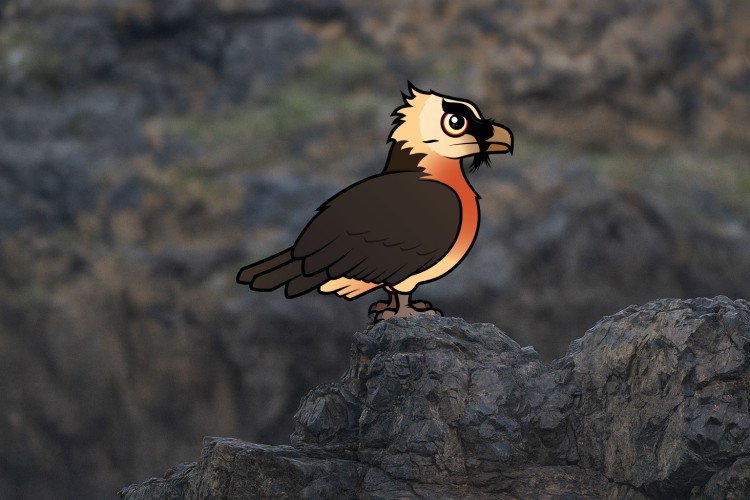
Vultures and condors come with a host of quirky nicknames—some endearing, some downright odd. Exploring these names is like uncovering a mini time capsule of cultural, historical, and regional perspectives on these misunderstood birds.
Ossifrage and Lammergeier
The Bearded Vulture goes by a couple of striking names. The name Lammergeier comes from German, meaning lamb‑vulture. This stems from old beliefs that these magnificent birds preyed on young lambs. Another name, no longer in common use, Ossifrage, means bone-breaker.
Pharaoh’s Chicken
The Egyptian Vulture is also known by the playful nickname Pharaoh’s Chicken. In ancient Egypt, the species was revered as sacred, and associated with the goddess Nekhbet, seen as a protector of the pharaoh and families. Its image even appeared in hieroglyphs and royal symbolism, earning it this memorable moniker. The bird was both common and royal, giving it the funny nickname.
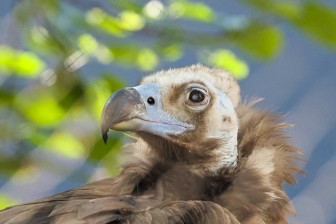
Cinereous Vulture by Jean Ogden Just Chaos Photography [CC BY 2.0]
Monk Vulture
The largest Old World species, the Cinereous Vulture, is sometimes called the Monk Vulture, or simply Monk. This alternative name refers to the bald head and the hood-like ruff of feathers that evoke a monk’s cowl.
John Crow
In some parts of the Caribbean, the Turkey Vulture is also known as John Crow. You can learn more about the meaning behind this name and other lore shared through generations in Jamaica about this common bird from the post on 10,000 Birds: Headman John Crow.
Buzzards, Vultures, and Hawks, Oh My!
In North America, New World vultures are sometimes called buzzards, a term historically reserved for Old World buteos like hawks. For instance, the Turkey Vulture may be called a Turkey Buzzard, or even Red-necked Buzzard. This mix-up arises because buzzard actually refers to a different group of birds in Europe. It's technically a mislabel, but entrenched in the vernacular. Early North American settlers from the Old World may have mistaken soaring vultures for the familiar buzzards they knew back home, and the name stuck.
Why These Names Matter
Nicknames offer a peek into the culture and history surrounding a species. Some reflect ancient beliefs, others regional habits, and even glimpses into human creativity -- or misunderstanding.


Comments
Leave a comment
Thank you!