


Vulture Week 2025
Saving the Scavengers: Inside the Vulture Conservation Emergency
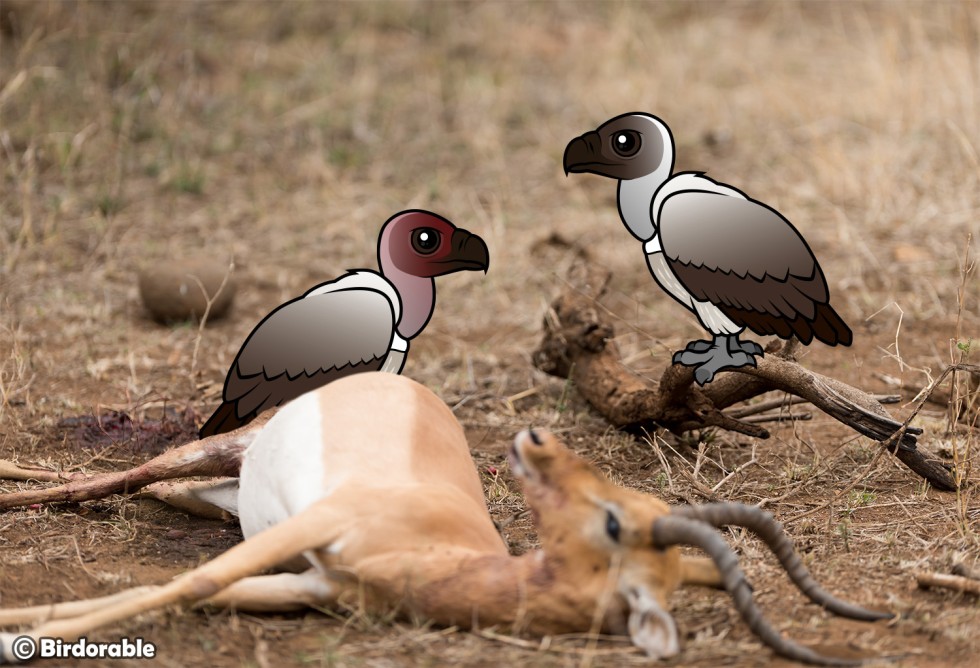
White-backed Vultures (Critically Endangered)
International Vulture Awareness Day is coming up this Saturday, September 6, 2025. We've celebrated vultures here on the Birdorable blog before, and we're continuing the tradition with a Vulture Week series leading up to the big day. We're going to share new posts and reiterate essential vulture facts, aiming to share information and vulture love with faithful readers and newcomers to our blog alike.
Vultures play a quiet but powerful role in the natural world. We know that they help keep ecosystems healthy by removing dead animals, which limits the spread of disease and supports biodiversity. But despite their importance, many vulture species are in serious trouble. Today, more than 70% of the world’s vultures are in decline, and several species are on the brink of extinction.
In South Asia, the crisis hit suddenly and hard. Populations of three species of Gyps vultures—the Indian Vulture, Slender-billed Vulture, and White-rumped Vulture—crashed by more than 99% in just a few years. The cause? A common veterinary drug called diclofenac. When livestock treated with the drug die and their carcasses are left out, vultures feeding on them suffer fatal kidney failure. The impact has been devastating, and the ecological fallout continues.
Across Africa, the threats are different but just as dangerous. Poisoning is a major issue—sometimes unintentional, sometimes deliberate. In some cases, poachers poison animal carcasses to kill vultures, which might otherwise reveal illegal activity to authorities. Other times, vultures are poisoned by pesticides or chemicals intended for problem predators. Habitat loss and the illegal wildlife trade also contribute to population declines. Seven out of eleven African vulture species are now considered globally threatened.
But the situation isn’t hopeless. Conservation groups are stepping up to turn things around. In South Asia, the SAVE initiative (Saving Asia’s Vultures from Extinction) has made real progress. Diclofenac has been banned in several countries, and captive breeding programs have successfully raised healthy vultures for future release. Protected “vulture safe zones” have been established to create safer habitats for wild populations.
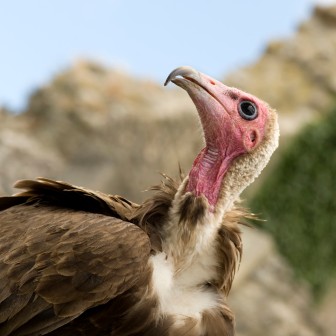
Hooded Vulture (Critically Endangered)
In Africa, groups like the Vulture Conservation Foundation are working with local communities to reduce poisoning, monitor populations, and spread awareness about the birds’ importance. Anti-poisoning response teams are being trained and deployed, and educational campaigns are helping reduce demand for vulture parts used in traditional medicine.
One of the most powerful tools for vulture conservation is public awareness—and that’s where International Vulture Awareness Day (IVAD) comes in. Held on the first Saturday of September each year (September 6 in 2025), IVAD brings together zoos, conservation groups, educators, and bird lovers to share knowledge and celebrate vultures. From August through October, events around the world shine a spotlight on these misunderstood birds and the efforts to save them.
Vultures are in crisis, but with awareness, action, and collaboration, their future doesn’t have to be bleak. These birds may not be flashy, but their role is irreplaceable. Let’s not wait until it’s too late to appreciate—and protect—them. Visit our Vultures of the World page to find out more about these amazing and endangered avian friends, and see our free vulture resources and activity downloads.


Comments
Leave a comment
Thank you!