


Vulture Week 2025
Cultural Perspectives on Vultures: Gods, Sky Burials, Symbolism
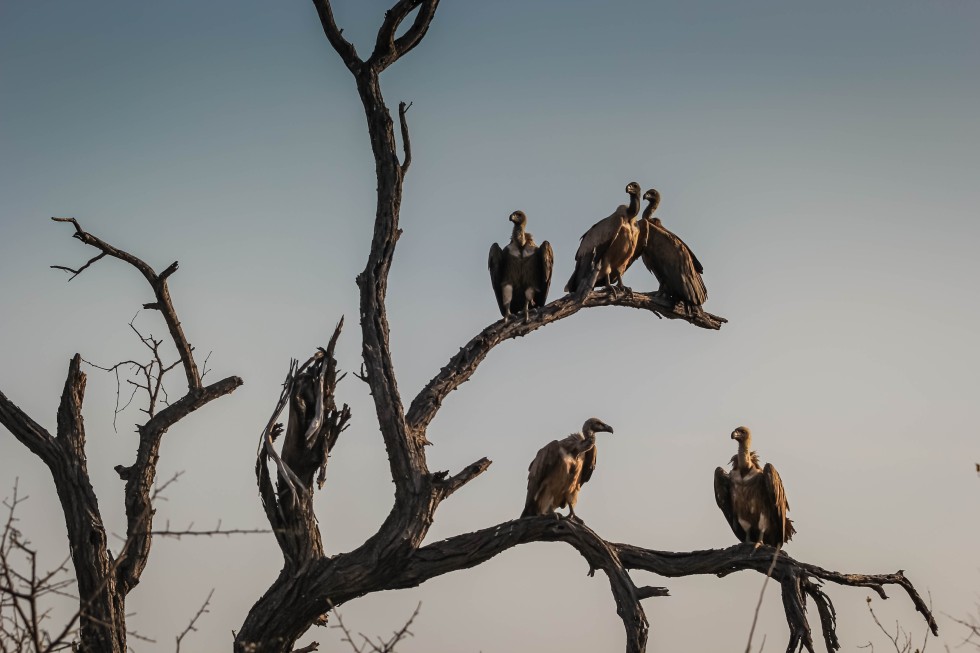
International Vulture Awareness Day is coming up this Saturday, September 6, 2025. We've celebrated vultures here on the Birdorable blog before, and we're continuing the tradition with a Vulture Week series leading up to the big day. We're going to share new posts and reiterate essential vulture facts, aiming to share information and vulture love with faithful readers and newcomers to our blog alike.
Vultures have always had a complicated place in human culture. While some people see them as ominous or gross, others view them as powerful symbols of life, purity, and balance. The truth is, vultures are deeply embedded in myths, beliefs, and pop culture—and those stories shape how we view them today.
In ancient Egypt, vultures were anything but scary. They were seen as protective and nurturing. The goddess Nekhbet, often depicted as a vulture with outstretched wings, was a symbol of motherhood and royal authority. Vultures were believed to be attentive and devoted mothers, which earned them sacred status. Nekhbet protected the pharaoh and the land, and her image was worn as a protective amulet. Far from being feared, vultures were seen as guardians and symbols of care.
But cultural views vary widely. In many Western stories, vultures became associated with death and decay. The sight of a vulture circling in the sky—waiting for something to die—was interpreted as sinister. Over time, this idea took hold in books, cartoons, and movies. Vultures were cast as villains or harbingers of doom, reinforcing a negative image that still lingers in popular culture.
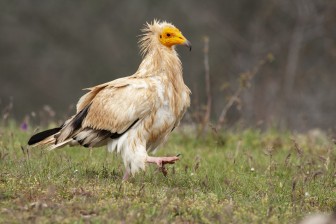
In truth, vultures circling in the sky aren’t waiting for anything—they’re riding thermal currents to conserve energy while searching for food. It’s efficient, not eerie. And their job? Cleaning up the environment by eating dead animals before disease has a chance to spread. It's one of the most important ecological services any animal provides.
Not all cultures focus on the morbid side of vultures. In Tibet and parts of India, sky burials are a traditional funerary practice in which vultures (and other scavengers) consume human remains left on mountaintops. This isn’t viewed as horrifying—it’s seen as a final, sacred act of generosity, where the body is returned to nature and continues the cycle of life.
Today, vultures are also becoming symbolic in new ways. Conservationists and artists are embracing them as icons of ecological renewal, patience, and balance. Because vultures are often misunderstood, they’ve come to represent the idea that things aren’t always what they seem—and that even the most overlooked creatures can play a vital role in the world.
By understanding vultures through a cultural lens, we can shift how they’re perceived. They’re not villains; they’re vital. International Vulture Awareness Day (IVAD) is a great time to explore these stories and share them with others. By connecting vultures to history, mythology, and cultural values, we help people see them in a new light—not as symbols of death, but as reminders of life, renewal, and ecological balance. Be sure to check out our Vultures of the World page to find out more about our amazing avian friends and see our free vulture resources and activity downloads.


Comments
Leave a comment
Thank you!