


Vulture Week 2025
Vultures at the Zoo: Ambassadors and Conservation Heroes
International Vulture Awareness Day is coming up this tomorrow, Saturday, September 6, 2025. We've celebrated vultures here on the Birdorable blog before, and we're continuing the tradition with a Vulture Week series leading up to the big day. We're going to share new posts and reiterate essential vulture facts, aiming to share information and vulture love with faithful readers and newcomers to our blog alike.
When people think of zoos, they often picture lions, giraffes, or penguins—but vultures? Not usually. And that’s exactly why vultures need a spotlight. Around the world, zoos and wildlife rehabilitation centers are doing critical behind-the-scenes work to support vulture conservation. They’re not just displaying animals—they’re helping save them.
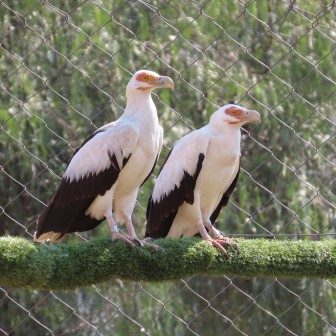
Palm-nut Vultures at VulPro
Captive vultures often serve as ambassadors, helping the public understand these misunderstood birds. Take Igor, a Black Vulture who lives at the Carolina Raptor Center in North Carolina. On Saturday, September 6, 2025, Igor will take center stage during International Vulture Awareness Day (IVAD) events. He’s a permanent resident who can’t return to the wild—but he plays an important role in education programs, helping people see vultures up close and maybe change their minds about these “scary” birds.
Across the country and around the world, zoos participate in IVAD by offering special talks, behind-the-scenes tours, and interactive exhibits. These events are more than fun days out—they’re opportunities to spread accurate information, bust myths, and encourage action. When people meet a vulture in person and learn about their role as nature’s clean-up crew, they’re more likely to care about protecting them.
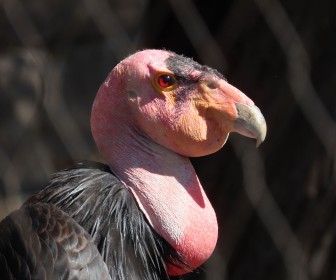
California Condor at the San Diego Safari Park
But zoos don’t stop at education. Many also support captive breeding and reintroduction programs. In South Asia, for example, birds raised in vulture conservation centers are being successfully reintroduced into safe zones as part of the Saving Asia’s Vultures from Extinction (SAVE) initiative. These birds are closely monitored and can help restore wild populations that were nearly wiped out by diclofenac poisoning.
At the San Diego Zoo Safari Park, captive breeding of the California Condor has become a conservation success story in action. Once down to just 22 individuals in the wild, these majestic birds found a lifeline through pioneering conservation efforts in the 1980s. The park helped launch the first zoological propagation program as part of the California Condor Recovery Program, collaborating with partners like the Los Angeles Zoo and U.S. Fish and Wildlife Service. Innovative techniques—like removing the first-laid egg to encourage the bird to double-clutch and incubating eggs with puppets to avoid human imprinting—rapidly expanded the population. Thanks to these advances, captive-bred condors began being reintroduced into their native range in 1992.
Wildlife rehabilitation centers play another crucial role: rescuing and releasing injured vultures. Whether it’s a Turkey Vulture hit by a car or a Black Vulture suffering from accidental poisoning, these birds get expert medical care and are returned to the wild whenever possible. For every vulture saved, a piece of the ecosystem is preserved.
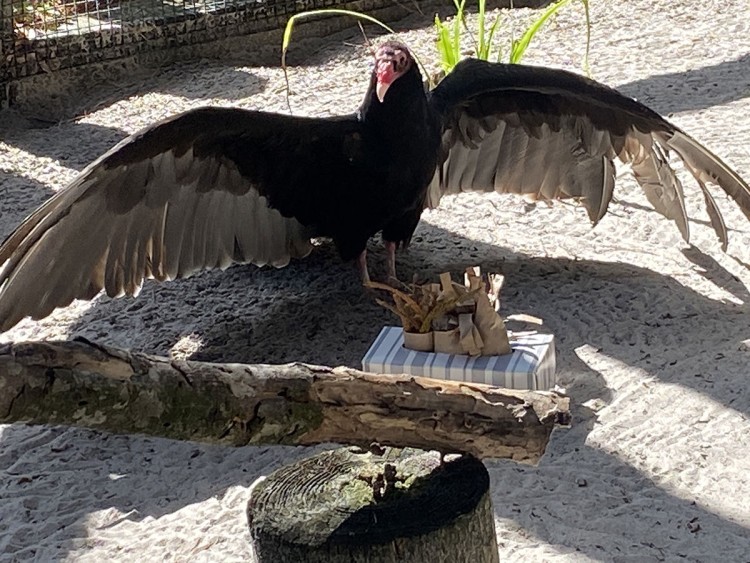
Mortimer, an ambassador Turkey Vulture at the Audubon Center for Birds of Prey in Florida
Even vultures that can’t be released still have purpose. They often join educational teams, becoming ambassadors like Igor. These birds connect people to conservation in a personal, memorable way. And just like zoos do, some rehabilitation and conservation centers breed endangered birds for eventual release. During our visit to Vulpro in 2023, we learned about their own captive breeding program, along with all of the other important vulture conservation work they do.
So what can you do? If you visit a zoo or raptor center, you’re not just seeing birds—you’re supporting organizations that protect species under serious threat. Talk to staff, attend a keeper chat, and spread what you learn. Buy a ticket, make a donation, or simply share your new knowledge online. Small steps can lead to big change.
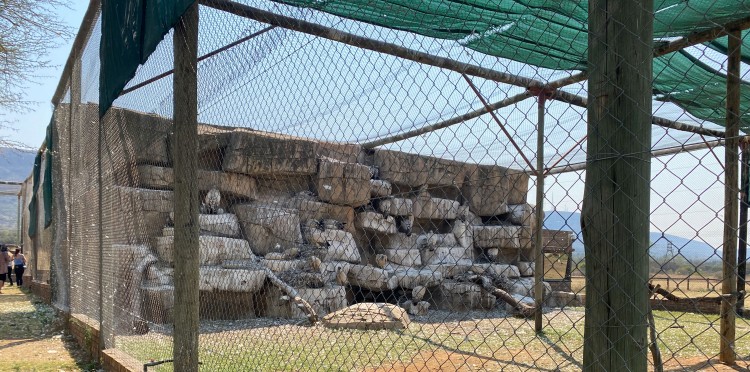
Vulture breeding enclosure at VulPro
In a time when vultures face global threats—from poisoning to habitat loss—zoos and rehab centers are safe havens and conservation powerhouses. They remind us that every species, even the least glamorous, deserves a fighting chance.
What will you do to celebrate vultures on their special day tomorrow? How have you shared your affection for vultures with others? Let us know!


Comments
Leave a comment
Thank you!