


Bird Migration in October: Find Birds Where You Live
Here in North America, fall is a perfect time to spot new birds as they pass through on their migratory journey south. Depending on where you live, your backyard might host warblers, sparrows, or even hawks making a pit stop for food and rest.
Do you know which birds to look out for where you live? To give you some ideas, here are some migratory birds to watch for in October in a few select regions:
🌴 California
Birds to Watch For:
-
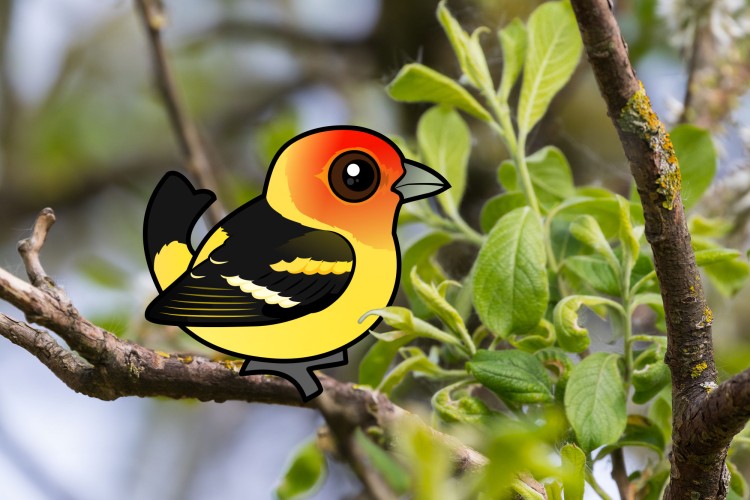
Western Tanager
Look for birds with a bright yellow body with black wings and back; breeding males have a reddish-orange face. Females and non-breeding birds are duller but still have a lemony glow. Find them throughout the summer and on the move in early fall. -
Wilson's Warbler
Look for a bold black-and-white face and a little yellow dot in front of the eye. Often found in oak trees or chaparral scrub. They migrate through California on their way to Central America for the winter.
➡️ Tip: Keep an eye on oak canopies and offer fresh water. A simple birdbath can make your yard irresistible to tired migrants.
🌵 Arizona
Birds to Watch:
-
Yellow-rumped Warbler
Also called “butterbutts” for their yellow rump, these warblers are hardy and widespread during fall migration, and found all winter long in the southern half of the state. -
Swainson's Hawk
One of the longest-distance migrants in the Americas, Swainson's Hawks travel from western North America to Argentina. Look for them in open grasslands, agricultural fields, and desert plains.
➡️ Tip: Native plants like desert willow and mesquite offer food and cover for migrating warblers.
🌾 Southeast Texas
Birds to Watch:
-
Indigo Bunting
In fall, these birds look mostly brown with hints of blue. Look for them in brushy fields and along fences. -
Ruby-throated Hummingbird
Look for these little flying jewels in flowering gardens and at backyard nectar feeders.
➡️ Tip: Provide shelter! Thick shrubs and trees offer resting places after long flights across the Gulf of Mexico.
🌆 Northern Illinois
Birds to Watch:
-
White-throated Sparrow
Look for the clean white throat and yellow lores. They’ll be hopping in leaf litter under feeders. -
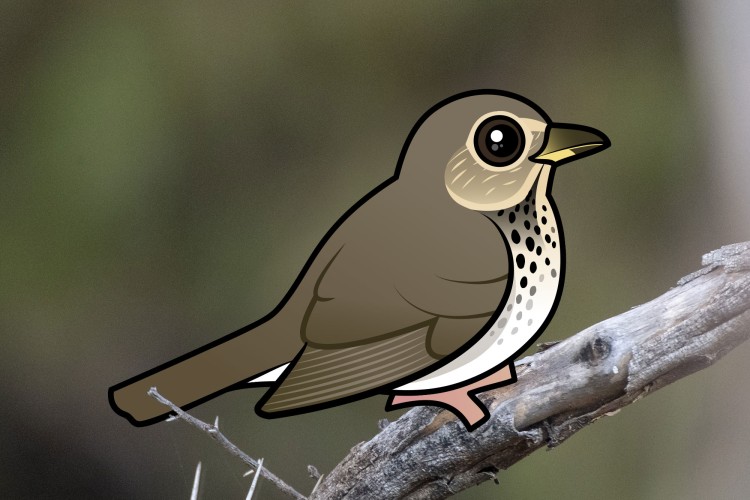
Swainson's Thrush
Watch for them in forest preserves, urban parks, and woodland edges. They migrate all across North America on their way to Central and South America.
➡️ Tip: Turn off lights at night. Chicago is on a major migration flyway, and light pollution is a major hazard for birds.
🌳 Virginia
Birds to Watch:
-
Cerulean Warbler
These blue beauties breed in the Appalachian region, including parts of western and central Virginia, and migrate to South America, primarily the Andes. -
Magnolia Warbler
This colorful fall migrant passes through Virginia on its way to wintering grounds in Central America and the Caribbean. Look for them along forest edges, in shrubby fields, wooded parks, and along the Blue Ridge Parkway.
➡️ Tip: Don’t be too tidy! Brush piles, native grasses, and uncut flower stalks can all offer food and cover.
🐊 Florida
Birds to Watch:
-
Black-throated Blue Warbler
Many spend the winter in south Florida, arriving during fall migration. Across the state, look for them in coastal hammocks, shady woodlands, and well-vegetated urban parks. Migrants are drawn to native understory shrubs and insect-rich foliage. -
Painted Bunting
They breed in the Panhandle, and many winter across much of the state, especially the south. Look for them in dense shrubs, thickets, and overgrown fields. Here in Central Florida, we could attract them with millet feed in our safe, lightly wooded suburban yard.
➡️ Tip: Native berry bushes like beautyberry or firebush can help attract and nourish migrants.
🛠️ How You Can Help Migrating Birds
Even if you only have a small yard, you can make a big impact. Here’s how:
-
Keep outdoor lights off at night. Migrating birds fly overnight and can be disoriented by artificial lighting.
-
Make your windows bird-safe. Use decals or screens to prevent window strikes.
-
Leave part of your yard natural. Brush piles, native plants, and even messy gardens are great for wildlife.
🦜 Migration is happening right now—what birds are you seeing in your backyard? Tag us with your photos or comment with your sightings!


Comments
Leave a comment
Thank you!