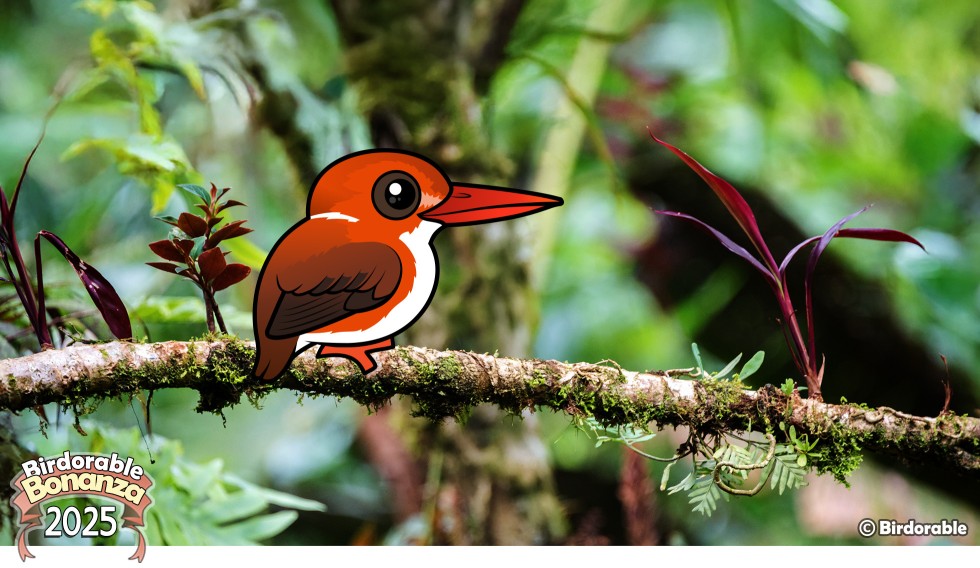
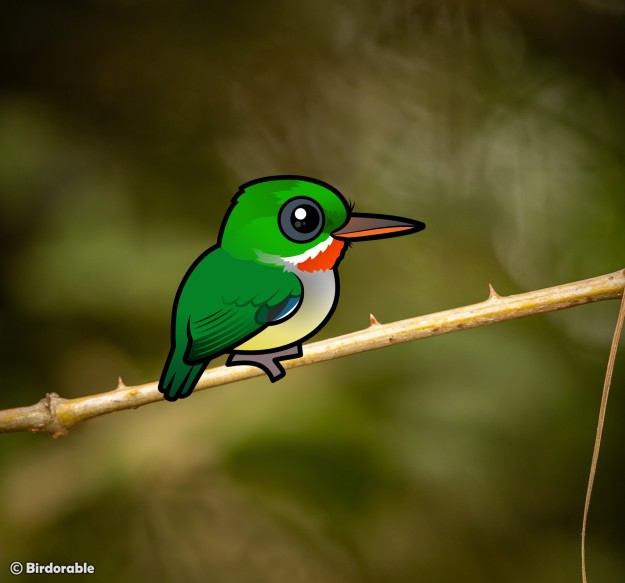
Birdorable Madagascar Pygmy Kingfisher

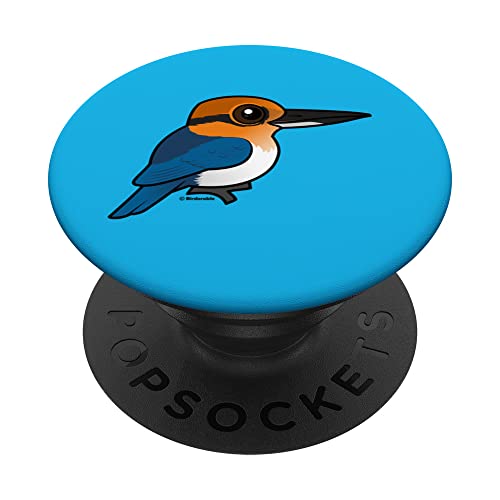
The Madagascar Pygmy Kingfisher is a tiny, colorful bird found only on the island of Madagascar. With its bright orange and white plumage, it’s one of the most striking little birds in the forests it calls home. Measuring just about 5 inches long, it lives up to its “pygmy” name.

The Madagascar Pygmy Kingfisher is not actually a fishing bird. Instead, it feeds mostly on frogs, insects, and small invertebrates. It hunts in forested areas, often sitting quietly before darting out to grab prey from the ground or low vegetation.

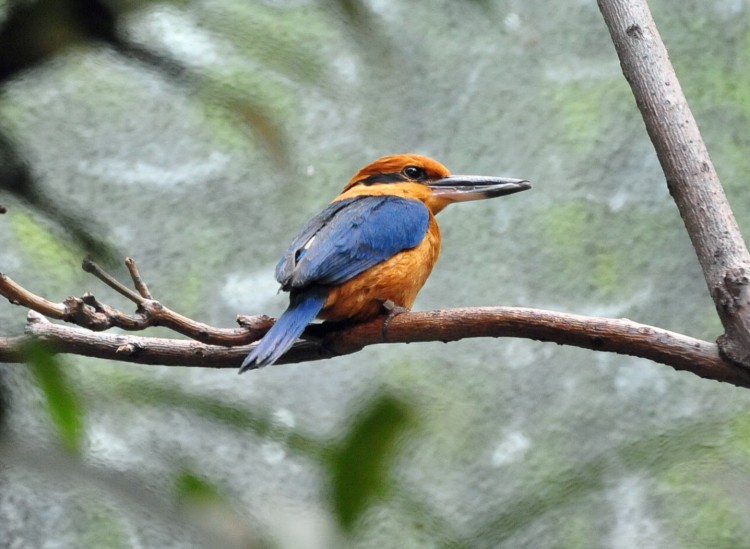
The bird's vivid colors serve as camouflage in its dense rainforest environment. Its bright orange back, crown, and underparts can blend surprisingly well with the filtered light of the forest floor. 

Endemic to Madagascar, this bird lives in primary and secondary tropical moist forests. Widely distributed across much of the island, the Madagascar Pygmy Kingfisher is currently not considered to be at high conservation risk. 
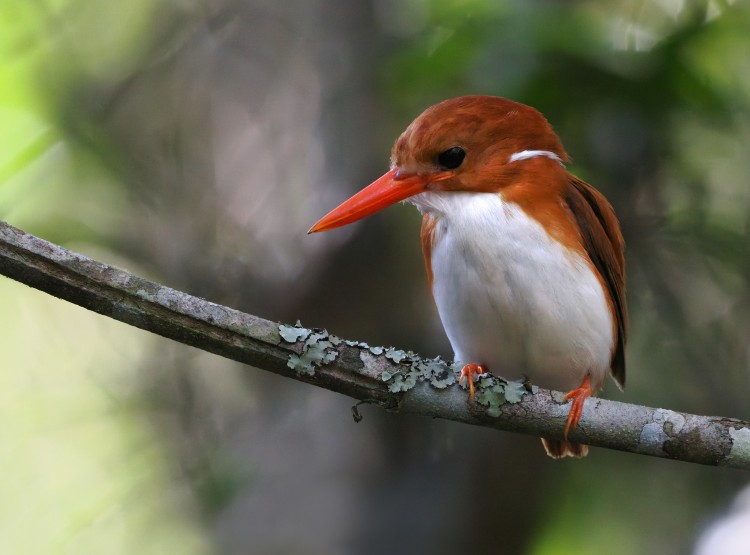
Madagascar Pygmy Kingfisher by Frank Vassen [CC BY 2.0]

It nests in burrows dug into earthen banks. These underground nests help protect eggs and chicks from predators and harsh weather. Little is known about their breeding habits due to lack of study.

Madagascar is home to many unique bird species due to its long geographic isolation, and the Madagascar Pygmy Kingfisher is one of its many endemic gems. Conservation efforts aimed at preserving Madagascar’s forests help protect this charming little bird and countless other species found nowhere else on Earth.
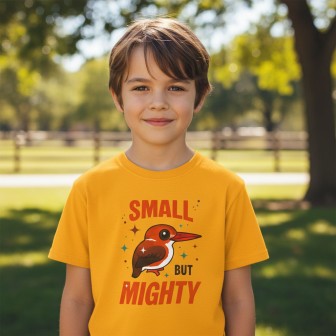
Madagascar Pygmy Kingfisher Apparel & Gifts

You can find new Madagascar Pygmy Kingfisher items in our Zazzle shop, all linked in our Birdorable store here. Some items from both shops are shared below.

You can also find this funny Small But Mighty design exclusively in our Etsy shop. Shown here on a gold kid's shirt, you can also pick up this design on t-shirts for adults, and adult sized hoodies and sweatshirts, all in 3-4 different color choices. As always, if you'd like to see this design on another garment style or novelty item, please let us know!

Tomorrow our Bonanza will continue when we reveal another new species! Our next bird is known for its classy profile and smooth good looks, and it really knows how to quack up a crowd. Which handsome waterfowl could it be?

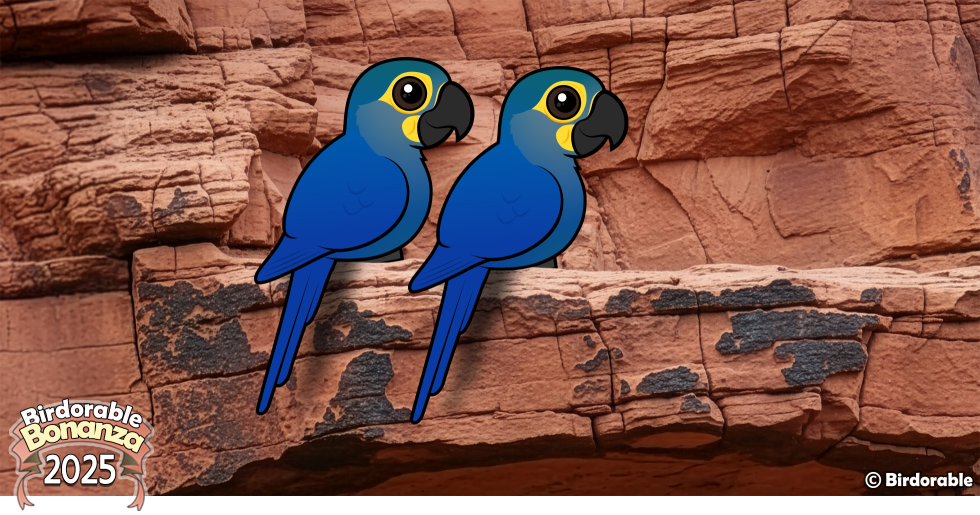
Birdorable Indigo Macaw

Today we’re excited to add a parrot to our family as part of our Bonanza. Help us welcome the Indigo Macaw to our parrot flock! This striking blue macaw, also known as Lear's Macaw, isn’t just a feast for the eyes, it also carries a fascinating story that makes it a perfect new addition to Birdorable.

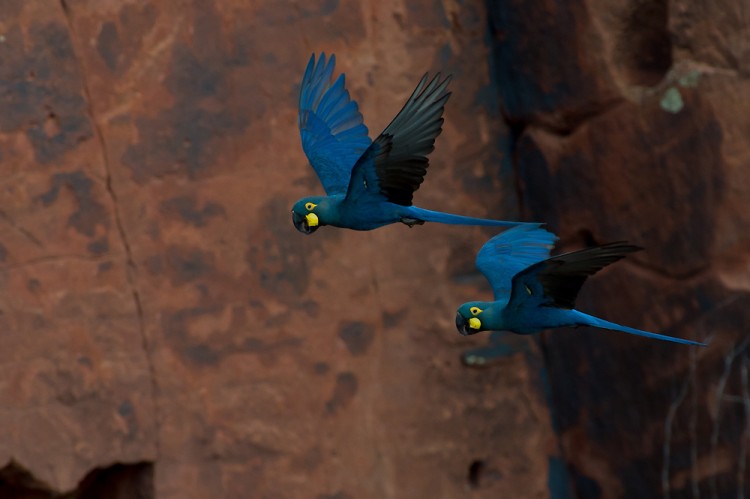
The Indigo Macaw is one of the world’s rare blue macaws, a large parrot from northeast Brazil in South America. Its feathers are a deep metallic blue with a subtle greenish shade, and its head may appear slightly paler. A distinctive pale-yellow patch adorns the base of its strong black beak, and bright yellow eye-rings add a flash of contrast.

You might wonder about the Indigo Macaw's alternative common name. Why “Lear’s” Macaw?  Who was Lear? The name honors Edward Lear, a 19th-century English poet, illustrator, and bird-lover. As a teen in the early 1830s, Lear published a book filled with drawings and paintings of parrots in captivity. One of those illustrations resembles what we now know as Lear’s Macaw, though at the time it was mistakenly labeled as a Hyacinth Macaw, another large blue beauty. It wasn’t until 1856 that the French ornithologist Charles Lucien Bonaparte formally described the species and gave it its scientific name, Anodorhynchus leari, in honor of Lear’s earlier work.
Indigo Macaws by Joao Quental [CC BY 2.0]

Despite appearing in art and captivity for many years, the real wild population of Indigo Macaws remained a mystery until 1978. That’s when the Brazilian ornithologist Helmut Sick located their home in a remote region of Bahia, Brazil, a dry, scrub-filled landscape known as the caatinga. There the birds roost and nest in sandstone cliffs, often in crevices high above the ground.

In the wild, Indigo Macaws mostly eat the hardy nuts from the licuri palm (a tree native to its region).  As with many macaws, their diet helps disperse seeds, a natural way they are an important part of their ecosystem.

The story of the Indigo Macaw is also one of hope and conservation. For a long time the species was extremely rare and poorly understood. By the late 20th century, many thought it might even be extinct in the wild. But thanks to dedicated conservation efforts, including habitat protection and monitoring of cliff roosts, numbers have slowly increased.

Welcome to the Birdorable family, Indigo Macaw! We hope that sharing the beauty and background of this species will help draw attention to the amazing world of birds and the need to protect them.

Indigo Macaw Swag

You can find new Indigo Macaw swag in our Amazon and Zazzle shops, both linked in our Birdorable store here. Some items from both shops are shared below.

You can also find this dynamic & funny "macaw-some" design, exclusively in our Etsy shop. Shown here on a kid's shirt, you can also pick up this design on t-shirts for adults, and adult sized sweatshirts and hoodies. As always, if you'd like to see this design on a different garment or gift item, please let us know!

For tomorrow, get ready for a petite island endemic with a misleading name. This fisher is much more interested in frogs than fish. Any ideas?

Florida is home to an incredible variety of birds, thanks to its subtropical climate, coastal wetlands, and diverse habitats. Whether you're a local birder or visiting the Sunshine State, some birds are so iconic that they’re practically part of Florida’s identity. Here are five must-know species that call Florida home—starting with the state bird.

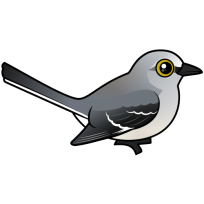
Northern Mockingbird

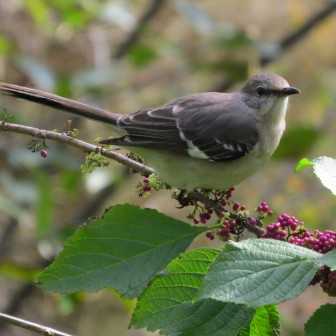
Florida’s official state bird since 1927, the Northern Mockingbird is famous for its vocal talents of mimicking other birds. They're medium-sized gray birds with white patches on their wings and tail, often seen singing from treetops or fences. Mockingbirds are common in suburban neighborhoods, parks, and gardens. If one takes a liking to your yard, you’ll likely hear it day and night, especially during breeding season.

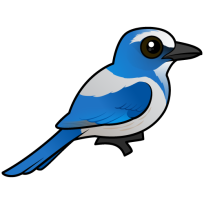
Florida Scrub-Jay

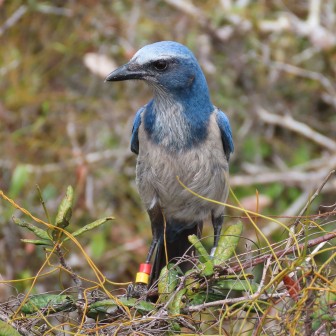
The Florida Scrub-Jay is the only bird species found exclusively in Florida. It should undoubtedly be the state bird, but that's another story. This bold, inquisitive bird has striking blue and gray plumage and lives in a very specific habitat: scrubby flatwoods. These areas are increasingly rare due to development, making the Florida Scrub-Jay a federally threatened species. Florida Scrub-Jays live in close-knit family groups. 

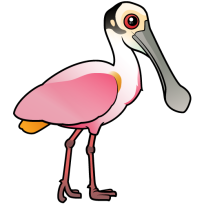
Roseate Spoonbill

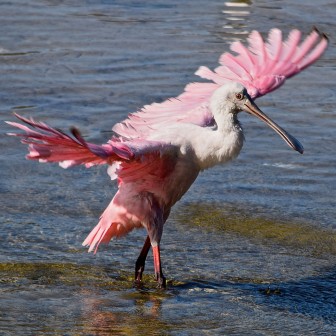
The Roseate Spoonbill brings a splash of tropical color to Florida’s wetlands. With its bright pink feathers and unique spoon-shaped bill, it’s often mistaken for a flamingo at a distance. Spoonbills use their unusual bills to sweep through shallow water, feeling for crustaceans and small fish. They're most commonly found in mangroves, saltwater lagoons, and estuaries. The pink color comes from the carotenoids in their diet—similar to flamingos.

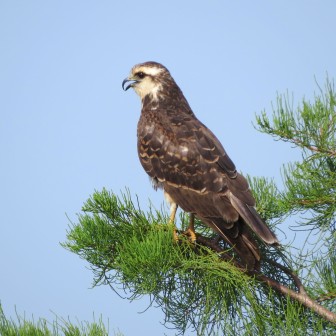
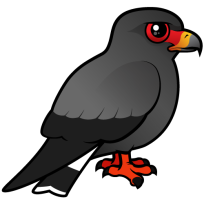
Snail Kite

This raptor is specially adapted to feed almost exclusively on snails. The Snail Kite has a slender, deeply hooked bill perfect for extracting snails from their shells. Males are mostly dark gray with red legs and eyes, while females are brown with streaky underparts. These birds are found around freshwater marshes and lakes in central and southern Florida. Because of their dependence on healthy wetland ecosystems and a steady supply of snails, they are considered a threatened species.

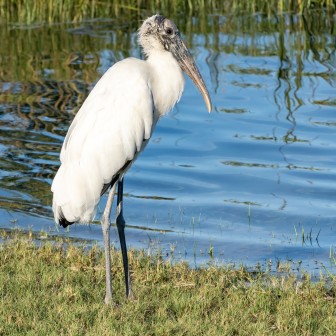
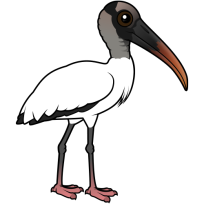
Wood Stork

The Wood Stork is a large, bald-headed wading bird that may not win beauty contests but plays a critical role in Florida’s wetland ecosystems. These birds forage in shallow water by feel, snapping their bills shut when they sense prey like fish or amphibians. Wood Storks are social nesters, often forming noisy colonies high in cypress trees. Habitat loss has affected their numbers, but conservation efforts have helped stabilize populations in recent years. Seeing a group of these big birds take flight is a classic Florida wetland scene.

Learn More About Iconic Florida Birds

Honorable Mention

Other birds that could easily make this list include the Crested Caracara, Burrowing Owl, and Osprey. The Crested Caracara, a striking bird of prey with a bold appearance, is often seen strutting through open pastures in Central Florida. The Burrowing Owl, with its expressive face and ground-dwelling habits, is a unique resident of Florida’s dry prairies and urban fringes. And the Osprey, a fish-hunting raptor, is a familiar sight around Florida’s coastlines and lakes, often seen diving feet-first into the water or perched on man-made nesting platforms. Each of these birds adds to Florida’s rich birdlife and could easily earn a spot among the state’s most iconic species.

Florida’s birdlife is as colorful and varied as the state itself. From wetlands to backyards, these birds are just a glimpse into the biodiversity waiting to be explored.

For the first time in nearly 40 years, the endangered Guam Kingfisher, known locally as the Sihek, has successfully laid eggs in the wild, marking a triumphant milestone in its recovery.

Nine juvenile kingfishers (four females and five males), hand-reared at zoo facilities across the United States and England, were released in September 2024 onto the predator-free Palmyra Atoll, a U.S.-protected nature preserve located about 1,000 miles south of Honolulu. The atoll's forests offer a safe reintroduction habitat for a species formerly extinct in the wild due to decimation brought on by invasive brown tree snakes on Guam. 

Guam Kingfisher by Heather Paul [CC BY-ND 2.0]

Within months, the birds paired up, established territories, excavated nests, and began hunting local prey. Three of the breeding pairs have now laid eggs, marking the first wild Guam Kingfisher eggs to be laid since the late 1980s! This is fantastic news for a species presumed to be extinct in the wild.

Though the birds are all young and inexperienced and their nesting attempt may not be successful, their efforts are being celebrated as a hopeful sign of ecological resilience.

The conservation effort is led by the global Sihek Recovery Program, involving institutions like The Nature Conservancy (TNC), U.S. Fish & Wildlife Service, and various zoos, including Brookfield in Chicago, the National Aviary, and Disney’s Animal Kingdom.

With a strategic goal of establishing ten breeding pairs on Palmyra, more Guam Kingfisher juveniles are slated for release this summer. Experts hope this self-sustaining wild population will eventually support reintroduction back to Guam.

This remarkable achievement underscores how collaborative conservation and predator-free sanctuaries can rescue species from extinction—and offer hope for their return to ancestral homelands.

Read more: 

Birdorable Guam Kingfisher Gifts

As a fun way to conclude our special Puerto Rico Week celebration, we’re shining a spotlight on a design that brings together some of the island’s most extraordinary feathered residents. Our Birdorable Puerto Rico design is a colorful, cartoon-style tribute to the endemic birds of this tropical paradise — species found only in Puerto Rico and nowhere else on Earth.

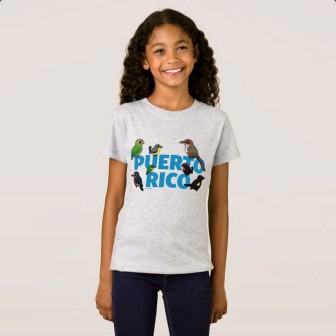
Puerto Rico kid's shirt

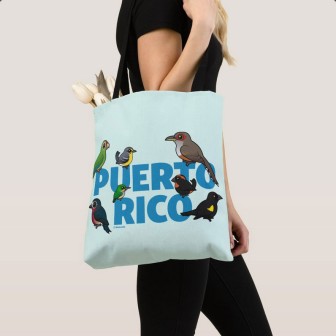
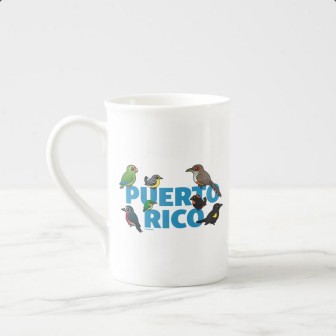
This cheerful and educational design features seven endemic birds of Puerto Rico, illustrated in our signature Birdorable style. Each species is endemic to the island, meaning they can’t be found anywhere else in the world! From the critically endangered Puerto Rican Parrot to the tiny, vibrant Puerto Rican Tody, this design showcases the incredible avian diversity of this Caribbean hotspot.

In the design, you'll find:

Puerto Rico tote bag

The birds are arranged around the bold phrase Puerto Rico, making it clear this design is a celebration of the island’s natural treasures. Whether you’re a local birder, a traveler who’s fallen in love with Puerto Rico, or simply a fan of tropical birds, this design is a perfect way to show your appreciation for island biodiversity.

You can find this design on a variety of products in the Birdorable shop — from stickers and mugs to tees and tote bags. It’s a great way to spread awareness, support conservation, or simply celebrate some very cool birds.

We created this design not just to be cute (though it definitely is), but also to be a conversation starter. Island endemics are often the first to face the threats of habitat loss and environmental change. Wearing or sharing this design is a fun way to show your appreciation for Puerto Rican wildlife and to raise awareness about conservation.

Puerto Rico mug

Whether you’re a proud Puerto Rican, a bird nerd on vacation, or just someone who loves cute animals with wings, this design is a great way to wear your bird love on your sleeve — literally! You'll find the Birdorable Puerto Rico design available on a wide variety of products — perfect for gifting, collecting, or simply celebrating your love for nature:

  • T-shirts in youth and adult sizes
  • Tote bags for beach days or farmers markets
  • Stickers perfect for laptops or water bottles
  • Mugs to sip your café con leche while birdwatching

With the addition of this fun design, along with five new endemic Puerto Rican birds this week, we're concluding our Puerto Rico Week here on Birdorable! We hope you have enjoyed learning about the island's endemic species, finding out about just a few of Puerto Rico's stellar birding sites, and meeting five new Birdorable birds: Adelaide's Warbler, Puerto Rican Woodpecker, Puerto Rican Lizard-Cuckoo, Yellow-shouldered Blackbird and Puerto Rican Bullfinch. Thanks for joining us on our journey through La Isla del Encanto!

Birdorable Puerto Rican Amazon

Welcome to Puerto Rico Week on the Birdorable Blog! This week, we’re celebrating the incredible birdlife of Puerto Rico, an island rich in biodiversity and home to unique endemic bird species. From the rare Puerto Rican Amazon to the tiny, energetic Puerto Rican Tody, these birds can’t be found anywhere else in the world. Throughout the week, we’ll explore their habitats, conservation efforts, and fun bird facts that make Puerto Rico a must-visit destination for bird lovers. Stay tuned for exciting posts highlighting the island’s feathered wonders!

Puerto Rico is home to a unique collection of birds that can’t be found anywhere else in the world. These species are known as endemic birds, meaning they have evolved and adapted exclusively to the island’s environment. Endemic birds are found in specific regions due to geographic isolation, which prevents them from interbreeding with other populations. Islands like Puerto Rico are hotspots for endemism because they provide unique habitats, limited migration options, and a stable environment for species to evolve separately from their mainland relatives.

Puerto Rico has 18 endemic bird species, each with its own adaptations and characteristics. Many of them thrive in the island’s forests, wetlands, and coastal regions.

Note that some lists include or exclude different species in their list of endemic birds of Puerto Rico. Depending on the taxonomy used, the splits or lumps accepted, and other factors, some lists include more than or fewer than the 18 species included here. 

Here’s a look at Puerto Rico’s endemic birds.

Puerto Rican Amazon 

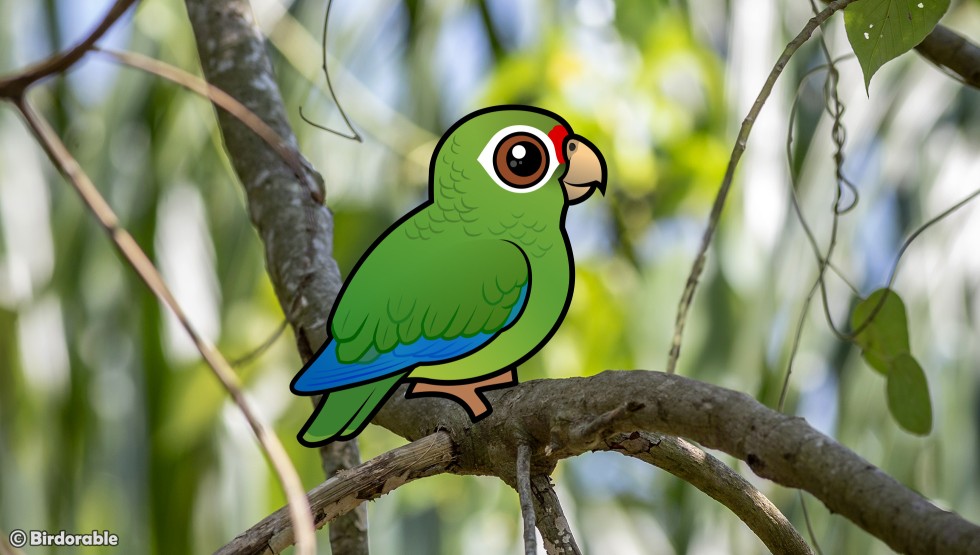
One of the rarest birds in the world, the Puerto Rican Amazon is a bright green parrot with a red forehead and white eye rings. Due to habitat loss and illegal pet trade, this species nearly went extinct, but conservation efforts have helped its population slowly recover. This is one of two Puerto Rican endemics that we currently have on Birdorable (note: we'll add more later this week!). This bird is also known as the Puerto Rican Parrot. We featured a species profile about this bird during our 2024 Bonanza: From Endangered to Hopeful

Puerto Rican Woodpecker 

This special woodpecker is the only woodpecker species native to Puerto Rico. It can be found in forests and urban areas, where it drills into tree trunks in search of insects. 

Puerto Rican Tody 

A tiny, bright green bird with a red throat and long bill, the Puerto Rican Tody is often seen darting through forests catching insects. Its small size and energetic nature make it a favorite among birdwatchers. There are five species of tody in the world. The Broad-billed Tody and the Narrow-billed Tody are both only found on the island of Hispaniola. The Jamaican Tody is endemic to Jamaica, while the Cuban Tody is found on Cuba and a few small neighboring islands. This little cutie was our 800th Birdorable bird!

Birdorable Puerto Rican Tody

Puerto Rican Flycatcher 

This brownish bird is part of the tyrant flycatcher family. It can be spotted perched on branches, waiting to swoop down on insects. Unlike many songbirds, its call is more of a raspy sound than a melodic tune. This species is not included on some lists of Puerto Rican endemics due to possibly having a range that extends off the island. 

Puerto Rican Spindalis 

Also known as the Puerto Rican Stripe-headed Tanager, this colorful bird has black-and-white facial markings and a bright orange body. Males are more vibrantly colored than females, and they primarily eat fruits and berries. The Puerto Rican Spindalis is the national bird of Puerto Rico.

Puerto Rican Lizard-Cuckoo 

As its name suggests, this bird has a diet that includes lizards. It has a long tail, a curved bill, and a striking red eye-ring. Unlike other cuckoos, it does not lay its eggs in the nests of other birds.

Puerto Rican Nightjar 

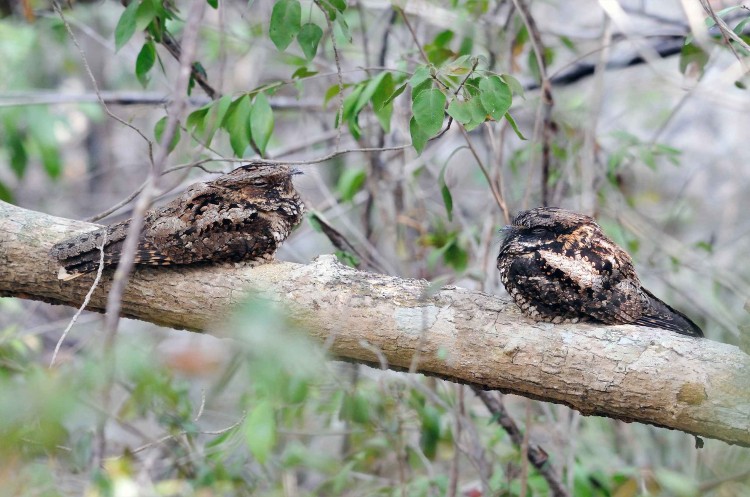
This nocturnal bird is rarely seen but often heard at night. It has a soft, repetitive call and prefers dry forests. Thought to be extinct for much of the 20th century, it was rediscovered in 1961.

Puerto Rican Nightjars by Mike Morel [CC BY 2.0]

Yellow-shouldered Blackbird 

Once common in coastal mangroves, this blackbird has bright yellow shoulder patches. It has faced population declines due to habitat loss and nest parasitism by the Shiny Cowbird.

Puerto Rican Emerald 

This small hummingbird has shimmering green feathers and is found in forests and gardens across the island. It feeds on nectar and plays a crucial role in pollination.

Green Mango

Another endemic hummingbird, the Green Mango is slightly larger than the Puerto Rican Emerald. Males are entirely green, while females have a white belly.

Puerto Rican Owl

The Puerto Rican Owl is a small, brown, nocturnal bird of prey with a round head and no ear tufts. Unlike many owls, it has bare legs, which is reflected in its scientific name, nudipes, meaning “bare-footed.” It hunts insects, lizards, and small mammals in forests across the island. This owl is more often heard than seen, with a distinctive, repetitive call that echoes through the night. 

Puerto Rican Euphonia

The Puerto Rican Euphonia is a small, brightly colored songbird with a striking yellow belly and a deep blue cap. Males are more vibrant, while females have a duller greenish hue. This species is often found in forests and coffee plantations, feeding on fruits and berries. 

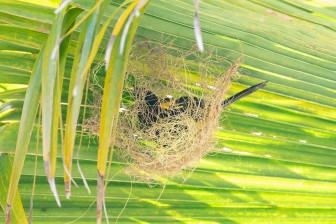
Puerto Rican Oriole on nest by Ryan Mandelbaum [CC BY 2.0]

Puerto Rican Oriole 

A striking black-and-yellow bird, the Puerto Rican Oriole builds hanging nests and is often found in forests and gardens. It primarily feeds on nectar, fruit, and insects.

Puerto Rican Vireo 

A small grayish bird with a distinct song, the Puerto Rican Vireo is often seen in forests foraging for insects.

Elfin-woods Warbler

This rare warbler was only discovered in 1971. It has black-and-white plumage and prefers the high-altitude forests of Puerto Rico. Unlike many other warblers, it does not migrate.

Adelaide’s Warbler

A bright yellow warbler with grayish wings, this bird is active and vocal. It prefers dry forests and coastal areas.

Puerto Rican Tanager

This comparatively dull tanager species is mostly found in high-altitude forests. It travels in small groups, searching for insects, fruits, and seeds.

Puerto Rican Bullfinch 

A small, dark bird with a thick bill, the Puerto Rican Bullfinch is known for its intelligence and adaptability. It primarily feeds on seeds and insects.

Puerto Rico’s endemic birds are a vital part of the island’s biodiversity. Many of these species face threats from habitat destruction, climate change, and invasive species. Conservation programs, including habitat protection and captive breeding, have helped prevent extinctions, but continued efforts are necessary to ensure these birds thrive for future generations.

2024 Birdorable Bonanza Bird #8

The Unique World of the Desert Endemic Iranian Ground Jay

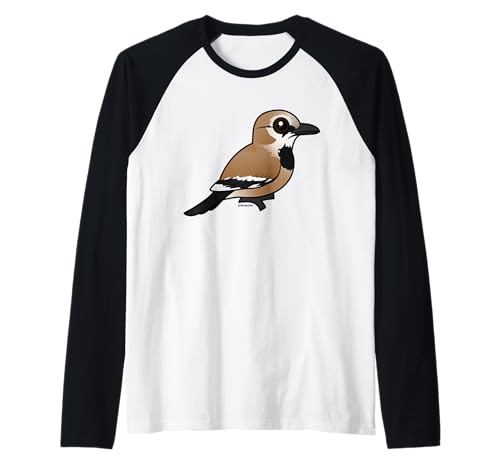
Birdorable Iranian Ground Jay

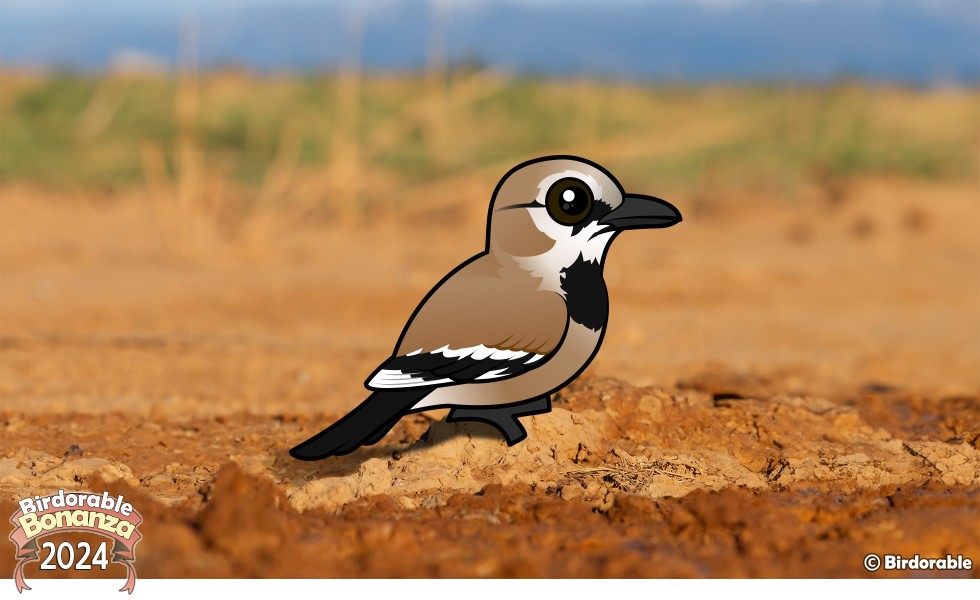
Today we add a desert endemic to Birdorable: it's the Iranian Ground-Jay!

The Iranian Ground-Jay, also known as the Persian Ground Jay or Pleske's Ground-Jay, is a fascinating and elusive bird native to the arid deserts and semi-arid steppes of Iran. This endemic species is part of the corvid family, which includes crows and magpies, but it stands out for its unique behavior and preference for life on the ground rather than in the trees.

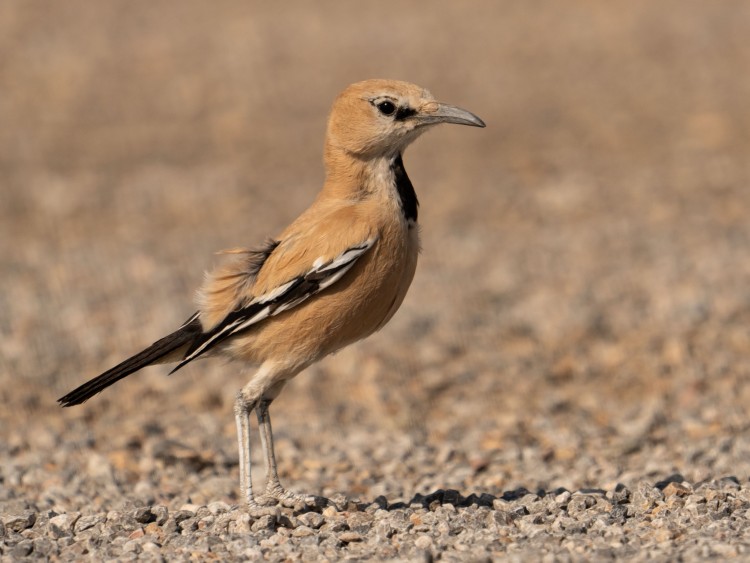
Measuring about nine and a half inches in length, the Iranian Ground-Jay has a striking appearance. It sports pale sandy-brown plumage that blends perfectly with its desert environment, along with a black mask-like patch around its eyes and a long, slightly curved black beak. Its wings are adorned with white and black markings, adding a touch of contrast when the bird takes flight.

Iranian Ground-Jay by moosa_mazinanian [CC-BY]

This ground-dwelling bird is well-adapted to its harsh environment. It primarily forages on the ground, searching for insects, seeds, and other small food items. Its strong legs allow it to hop and walk nimbly across the sandy terrain. Although it is capable of flight, the Iranian Ground-Jay spends most of its time on the ground, where it is highly agile and efficient at finding food.

The Iranian Ground-Jay is known for its territorial and often secretive nature, which makes it a challenge to observe in the wild. However, during the breeding season, which typically occurs in the spring, pairs become more active and vocal. They construct their nests in low shrubs, using twigs and other plant materials. 

This species is endemic to Iran, making it one of the country’s avian treasures. Its preferred habitat includes sparsely vegetated desert plains and rocky outcrops. Despite its limited range, the Iranian Ground-Jay is currently listed as Least Concern by the IUCN, though habitat degradation and climate change could threaten its populations in the future.

Birdorable Iranian Ground-Jay Gifts

Get ready for tomorrow’s Birdorable Bonanza reveal! Like today's species, tomorrow's cutie has a country as part of its name. This bold birdie is the national avian species of a South American country and dazzles with its vibrant orange, black, and white plumage and melodious songs. Can you guess what it is? Check out the silhouette and share your guesses below! 🤔

2020 Bonanza Bird #26

Meet the Birdorable Rufous Hornbill: A Philippine Treasure

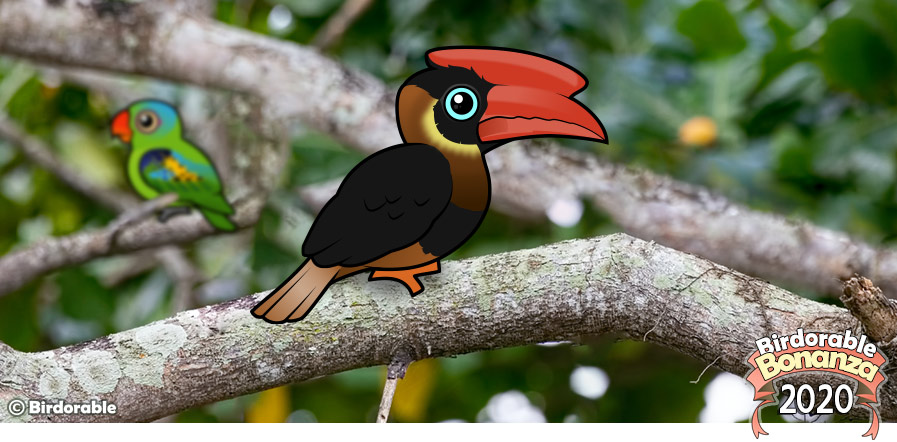
Birdorable Rufous Hornbill

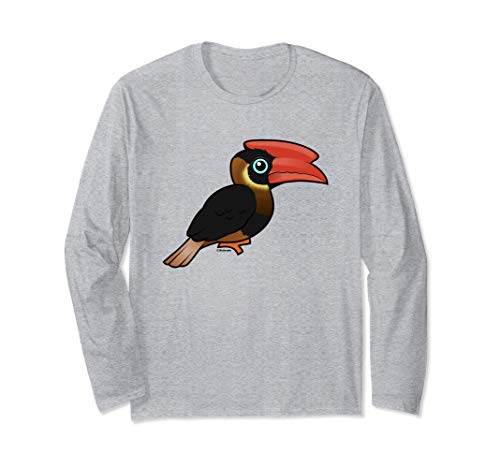
Today’s new species is one of 10 hornbill species found in the Philippines. The Rufous Hornbill is a Philippine endemic found in forest habitat across 11 of the nations’ islands. It is also known as the Philippine Hornbill.

There is little known to science about Rufous Hornbills as they have not been studied in detail. Not much is known of their behaviors. They feed on a varied diet including fruit, seeds, and insects.

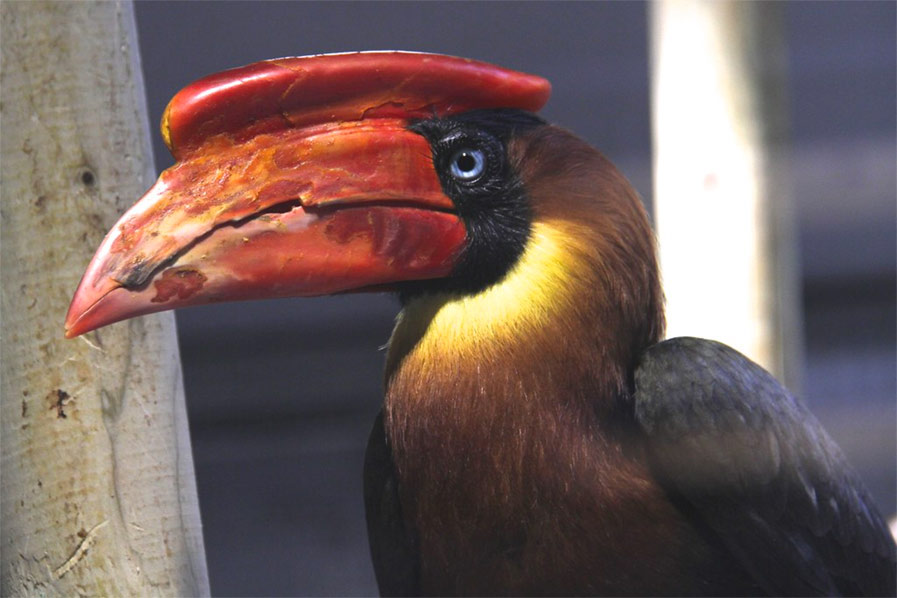
There are three subspecies of Rufous Hornbill. Our bird is of the Northern race (Buceros hydrocorax hydrocorax). These have an all-red bill. Northern birds have either red or blue eyes. Southern birds are in two subspecies (Buceros hydrocorax mindanensis and Buceros hydrocorax semigaleatus). These birds have yellow on the lower part of the bill and all have blue eyes. Some taxonomies split the Northern and Southern birds into two separate species.

Rufous Hornbills are vulnerable to extinction due to habitat loss and illegal hunting, with a decreasing population trend.

Rufous Hornbill
Rufous Hornbill by Ronnie Macdonald (CC BY 2.0)

Tomorrow’s new bird is a common species found across sub-Saharan Africa. These widespread doves are named for a plumage attribute – can you guess the species?

Cute Rufous Hornbill Gifts

2020 Bonanza Bird #25

The Majestic Javan Hawk-Eagle: A Symbol of Indonesia's Endangered Raptors

Birdorable Javan Hawk-Eagle

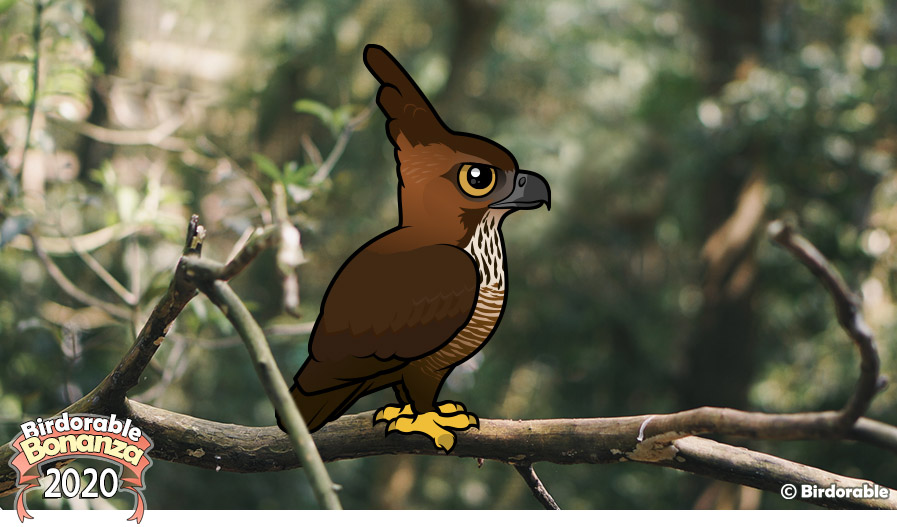
Today’s new Birdorable is a bird of prey endemic to Indonesia. The Javan Hawk-Eagle can only be found on the island of Java.

Adult Javan Hawk-Eagles can be recognized by their very tall dark head crests and dark brown upperparts. They also have heavily barred underparts. Young birds have little to no barring and are lighter, more rufous in color.

Javan Hawk-Eagles are endangered, primarily due to habitat loss. The population trend is decreasing, and there is currently no plan in place to help the species recover. It is thought the Javan Hawk-Eagle may face extinction in as few as 5 years if a conservation plan is not implemented in time.

Tomorrow we’ll add an endemic hornbill of the Philippines named in part for the color of its body. There are 10 hornbill species found in the Philippines – can you narrow it down to our bird?

Hawaii's Iiwi: The ABA Bird of the Year for 2018

Birdorable 'I'iwi

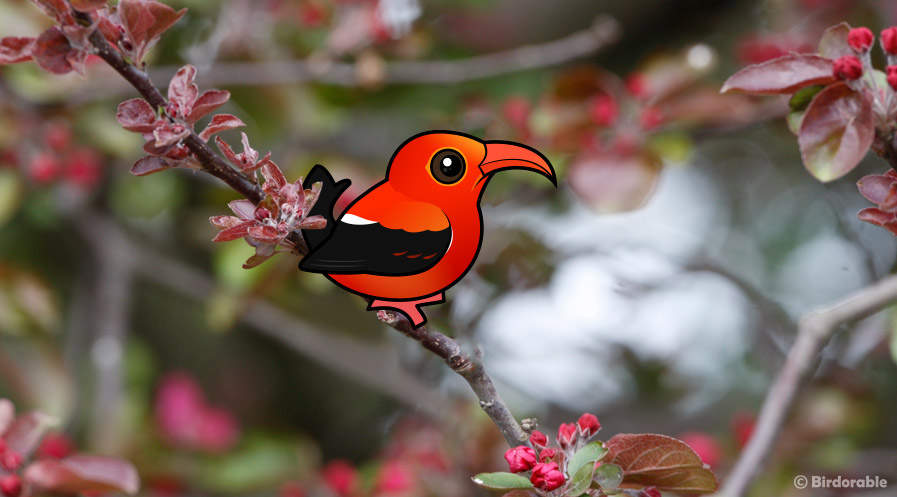
Earlier this month, the Iiwi ('I'iwi), a beautiful Hawaiian finch, was introduced as the American Birding Association's Bird of the Year for 2018. We think it's an interesting and excellent choice!

In 2016 Hawaii was added the ABA Birding area by popular vote, and the process of adding species to the official checklist was completed last year. So it makes sense to feature a Hawaiian species in 2018.

The Iiwi is a type of finch, part of a group of Hawaiian honeycreepers. More than 50 species of honeycreeper used to call Hawaii home. Today less than half of those species still exist. They face threats including predation by introduced species and competition from invasive birds, as well as habitat loss and disease.

Of the native birds of Hawaii, the Iiwi is the most common.

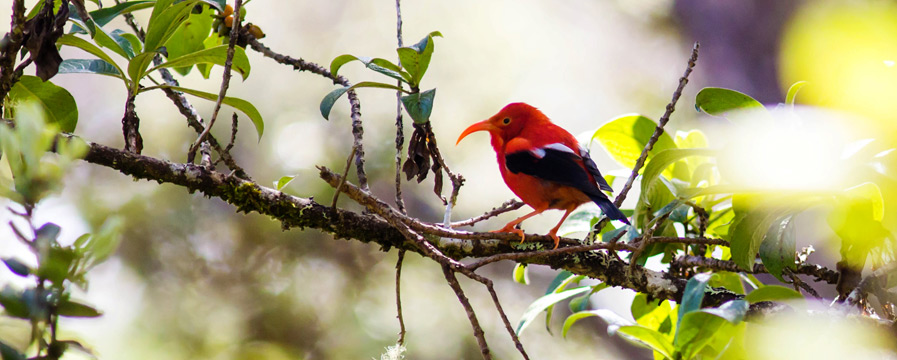
The beautiful Iiwi can be recognized by its bold scarlet and black plumage, and by its long curved bill. In many ways the Iiwi behaves like a hummingbird, hovering in flight and drinking flower nectar.

Be sure to visit the ABA's Bird of the Year page to learn more about the Iiwi!

Iiwi bird
Photo by Melissa McMasters (CC BY 2.0)

And check out our Birdorable Iiwi apparel, too!