


Birdorable Bonanza 2025 Bird #7
Meet the Secret Garden Warbler
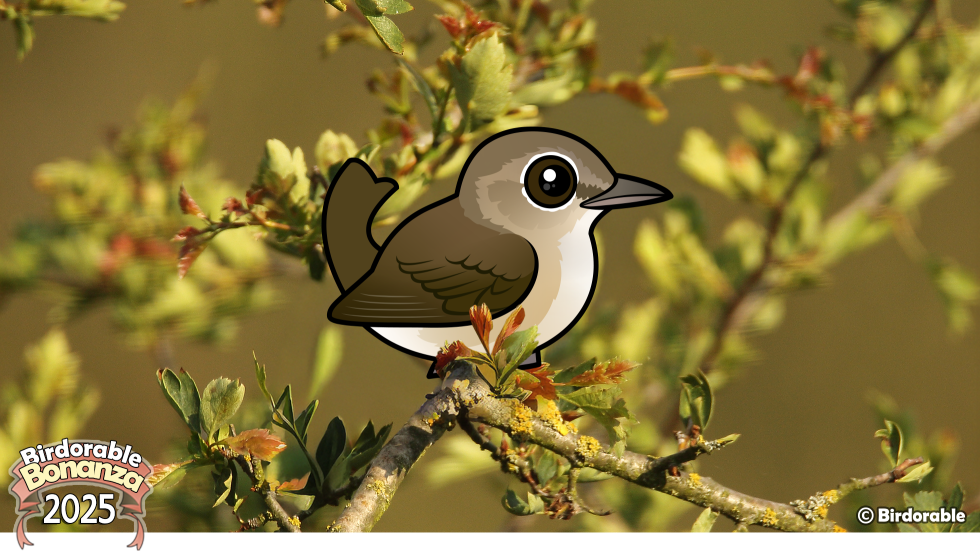
We’re warbling with excitement to bring you the seventh bird in our Birdorable Bonanza! Join us in saying hello to the Garden Warbler!
The Garden Warbler is a small, shy songbird that’s more often heard than seen. Despite its name, it doesn’t necessarily prefer gardens. Its favorite habitats include woodlands, forest edges, and dense scrub. You’ll usually find Garden Warblers across much of Europe during the breeding season, and they migrate to sub-Saharan Africa for the winter.
This bird has a rather plain appearance, which can make it difficult to identify. It has a soft brown back and pale underparts, with no obvious markings. Unlike some other warblers, the Garden Warbler doesn’t have wing bars or eye-stripes. This subtle coloring helps it stay hidden as it moves through foliage.
What it lacks in flashiness, it makes up for in song. The Garden Warbler’s voice is rich, smooth, and melodic, often compared to the Blackcap, another member of the same genus. In fact, their songs are so similar that they can be confusing even for experienced birders.
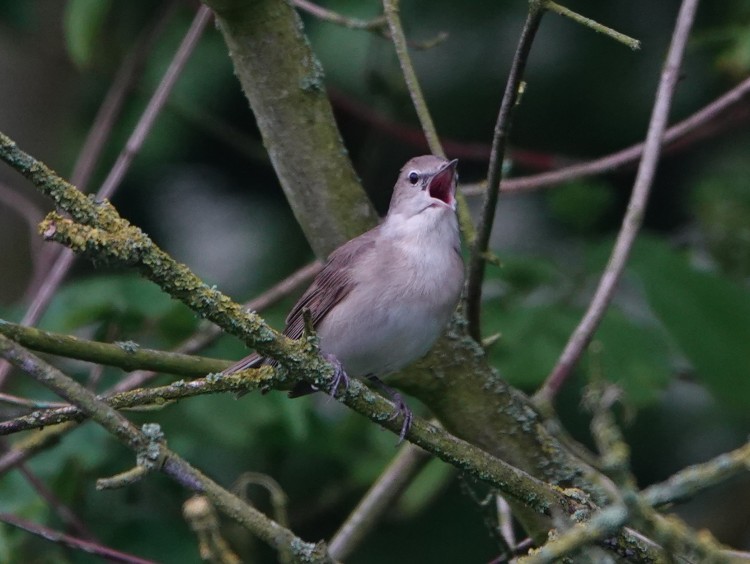
Garden Warber (Tuinfluiter) by Gertjan van Noord [CC BY-ND 2.0]
Garden Warblers feed mainly on insects during the breeding season, including caterpillars, beetles, and flies. In the late summer and early fall, they switch to a fruit-based diet, often gorging on berries to prepare for migration. They are known to fatten up significantly before their long journey to Africa.
These warblers build their nests close to the ground, usually in dense vegetation. The nest is a cup-shaped structure made of grasses and other plant materials. The female lays between 4 and 5 eggs, and both parents take part in feeding the chicks.
Despite being widespread, Garden Warblers are quite secretive. They often stay hidden in shrubs or trees, even when singing. If you want to spot one, listening is your best bet. Learn their song and patiently scan the vegetation where you hear it coming from.
The Garden Warbler’s understated look and elusive behavior might cause it to be overlooked, but birders in the know appreciate its beautiful song and interesting life cycle. If you're lucky enough to hear or spot one, take a moment to enjoy one of Europe's more modest, but still fascinating, songbirds.
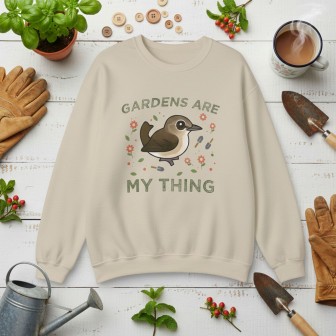
Garden Warbler Gifts
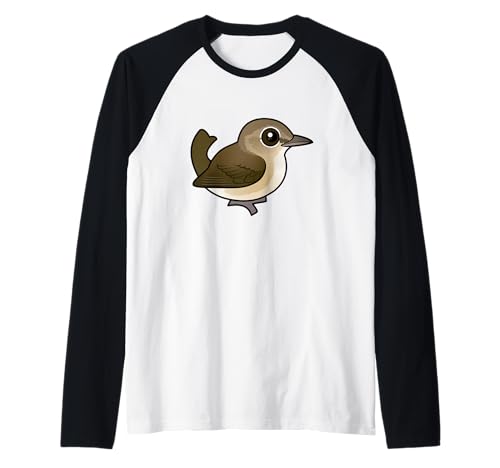
You can find new Garden Warbler items in our Amazon and Zazzle shops, both linked in our Birdorable store here. Some items from both shops are shared below.
You can also find this "Gardens Are My Thing" design exclusively in our Etsy shop. When you're a garden specialist, even if the bird is so in name only. Shown here on an adult sized sweatshirt, you can also pick up this design on t-shirts for adults and kids, and adult sized hoodies, all in a choice of different colors. We can add this design on another garment style or novelty item, please let us know what you'd like to see.




We're in the final countdown! The 8th bird of our Bonanza will be revealed tomorrow. Our next bird is a lively songster from around the Middle East, easily recognized by and partially named for a bright little ring that highlights its eye. Which charming crested bird with a distinctive look and repetition in its family name will be joining us next?



Comments
Leave a comment
Thank you!