


Birdorable Bonanza 2025 Bird #2
Capped Heron: Secrets of a Little-Known Tropical Heron
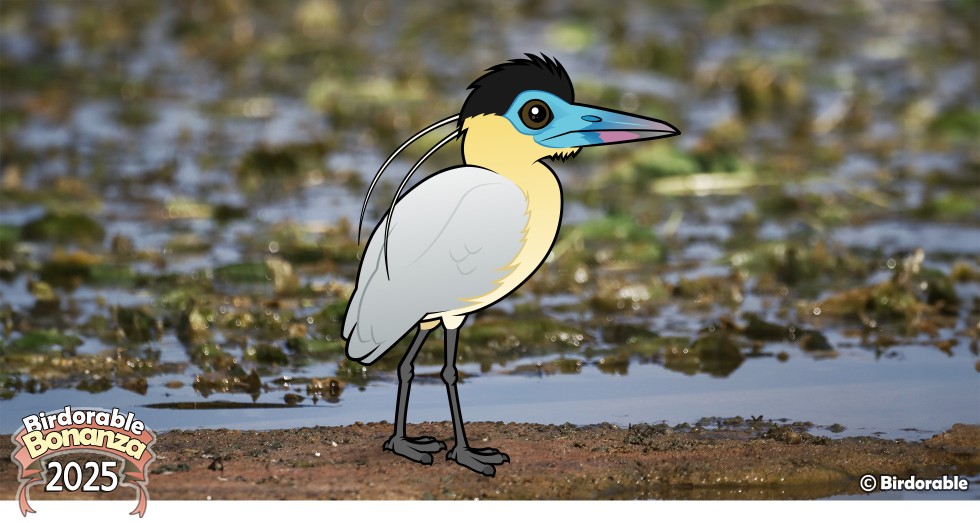
We're excited to share the second bird in our 2025 Birdorable Bonanza! Meet the gorgeous and mysterious Capped Heron!
The Capped Heron lives in the Neotropics, ranging from central Panama all the way down through the Amazon basin to southern Brazil, in countries including Colombia, Ecuador, Peru, Bolivia, Venezuela, and the Guianas. It favors lowland rainforest water zones, such as swamps, river banks, and flooded forest areas, though sometimes it’ll use more unusual wet spots too, like pools along a highway, or flooded fields.
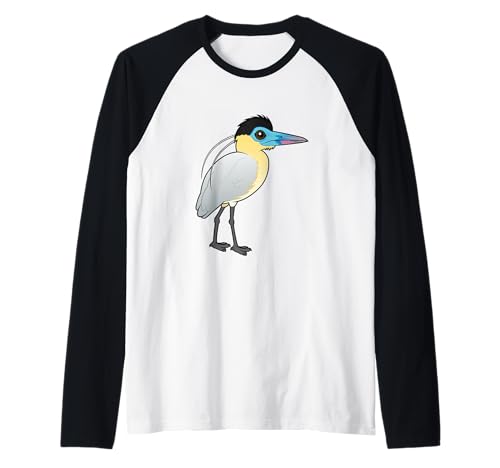
What makes the Capped Heron stand out right away is its striking appearance: a sleek white body, a bold black “cap” on its head, and a bright sky‑blue bill and face. From the black crown emerge long, elegant white plumes, a regal touch that gives the bird a unique silhouette. Its neck is thicker than many herons’, usually a creamy off‑white shade, and legs tend toward blue‑grey.
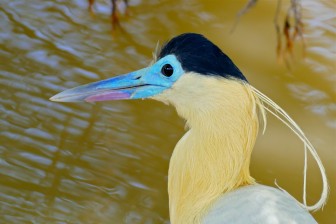
Capped Heron by Bernard DUPONT [CC BY-SA 2.0]
The unique look of the Capped Heron is captured in the name it is known by in other languages, too. As in English, these names often describe its striking “capped” head or crown. For example: in German it’s called Kappenreiher (meaning “cap-heron”), in Spanish you’ll find Garza Capirotada (roughly “capped-heron”), and in French it’s Héron coiffé (literally “coiffed heron”).
The Capped Heron is typically solitary. Observers will often see one working quietly along a riverbank or pond, slow and deliberate.
Its diet includes small fish, aquatic insects, tadpoles, and frogs. When hunting, the heron often stands still or walks slowly in shallow water, watching carefully before lunging its sharp bill downward to snatch prey.
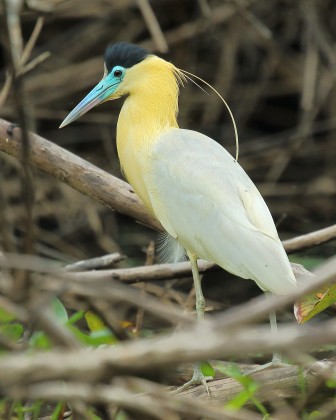
Capped Heron by ryanacandee [CC BY 2.0]
Despite its wide range, little is known about much of the Capped Heron's life history. It’s one of the least-studied herons out there, with basic details like its full breeding habits, population numbers, and long-term movements remaining largely a mystery.
The conservation status of the Capped Heron is currently considered to be of least concern by the IUCN. Its huge range helps, though they remain rare in many parts of it, often seen at very low densities. And because their preferred habitats are rainforest waterways and swamps, ongoing deforestation and land conversion pose a long-term worry.
Its distinctive look, solitary calm, and rarity with an air of mystery make any encounter with a Capped Heron feel special.

New Capped Heron Gifts
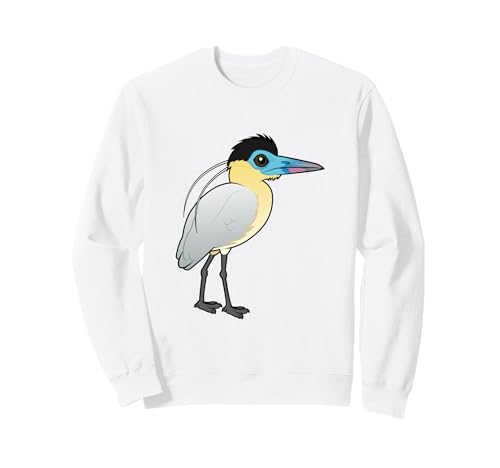
You can find new Capped Heron items in our Amazon and Zazzle shops, both linked in our Birdorable store here. Some items from both shops are shared below.
You can also find this funny "I'm Just Wading For The Weekend" design, exclusively in our Etsy shop. Shown here on a light blue t-shirt, you can also purchase this design on t-shirts for kids, and adult sized sweatshirts and hoodies. As always, if you'd like to see this design on a different garment or gift item, please let us know!





Get ready for tomorrow’s reveal in our Birdorable Bonanza. Our next newcomer is a striking bird of prey with a sacred name. It can be recognized by its bold chestnut feathers and bright white head. Do you know which raptor will be joining the Birdorable family next? Tune in tomorrow to find out.


Comments
Leave a comment
Thank you!