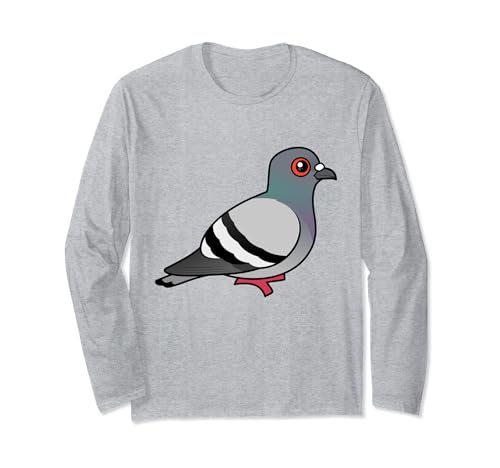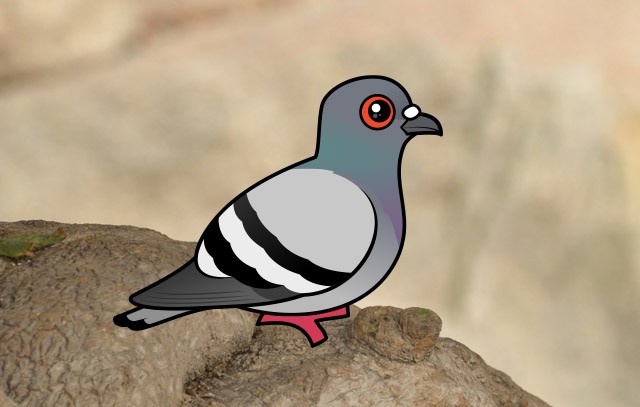
If you’ve ever watched a pigeon strut across a sidewalk, you’ve probably noticed its distinctive head-bobbing walk. It looks quirky, even a little funny, but there’s an important reason birds like pigeons move this way—it helps them see the world clearly as they move.

Birds rely heavily on vision to find food, avoid predators, and navigate their environments. For most bird species, sharp vision is critical. But unlike humans, birds don’t have the same head and neck structure to stabilize their view with eye movements alone. Instead, they use a clever trick: they move their heads in a way that keeps their vision steady while their body moves forward.

The key is a process called head stabilization. When a pigeon walks, it pushes its head forward, then holds it still in space as its body catches up. This pause creates a moment of stable vision, allowing the bird to clearly see objects in its environment. The head then snaps forward again, repeating the cycle. So what looks like a bobbing motion is actually a well-timed system of keeping the head still for just long enough to take in a clear image.
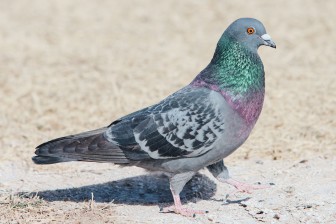
Studies using high-speed video have shown that the “bob” is made up of two phases: a hold phase, where the head stays in place, and a thrust phase, where it quickly moves forward. During the hold phase, the bird gets a steady view of the world. This is especially helpful for depth perception and detecting motion, both of which are harder if the entire field of view is constantly shifting.

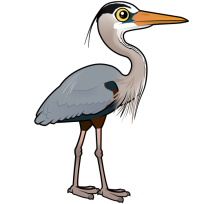
Not all birds bob their heads, though. Species that fly a lot or hunt in the air, like hawks or swallows, tend to rely more on rapid eye movements and other methods of visual stabilization. But for ground-dwellers, especially those with relatively long necks, head-bobbing is an efficient solution. It’s even been observed in cranes, herons, and some parrots.

Interestingly, if you were to place a pigeon on a treadmill moving at the right speed, it will stop bobbing its head entirely. That’s because the bird’s body isn’t moving forward in relation to the ground, so there’s no need to stabilize its vision. The head remains still because the view doesn’t change.

This behavior gives a window into how birds have adapted their bodies and behaviors to suit their environments. It’s a great example of how something that looks funny to us serves a vital purpose in the wild. Next time you see a pigeon walking down the street with that familiar bob, you’ll know it’s not just being quirky—it’s using a built-in visual system to make sense of the world.
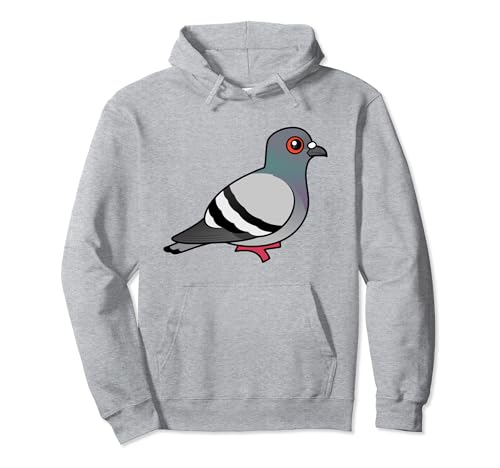
Birdorable Pigeon Gift Ideas

Did you know that the White Ibis is sometimes called the "hurricane bird"? This coastal wader, known for its bright white feathers, pinkish-red bill, and curved posture, has a reputation for behaving in ways that seem to predict the weather. The nickname comes from a mix of science and folklore, especially in hurricane-prone states like Birdorable's home here in Florida.

One of the main reasons White Ibises have earned this nickname is their tendency to change locations before a storm. Observers have long noted that large flocks will move inland from the coast before a hurricane or severe weather hits. It's as if they can sense the shift in atmospheric pressure or other environmental cues, prompting them to seek safer ground. This behavior isn’t just a fluke—many coastal birds have evolved to respond to changing conditions, but the White Ibis seems to do it in especially noticeable numbers.

In southern communities, this behavior has turned into local lore. People say that when they see White Ibises gathering in unusual numbers, flying away from the coast, or changing their feeding habits, it's time to keep an eye on the weather forecast. In this way, White Ibises have become an unofficial early-warning system. While not a replacement for meteorology, they add a natural signal that some folks still trust.

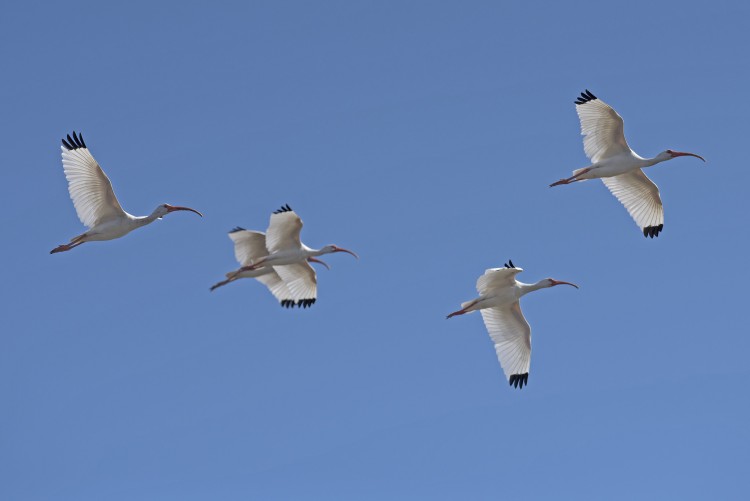
White Ibises in flight by Florida Fish and Wildlife [CC BY-ND 2.0]

Adding to their "storm bird" reputation is the fact that White Ibises are often among the first birds to return to coastal wetlands after a hurricane has passed. Their return can be seen as a small sign of recovery, a symbol of the ecosystem beginning to bounce back. Seeing them wade through flooded marshes or forage in newly settled areas can be a comforting sight to people living in storm-hit regions.

White Ibises are common in southeastern wetlands, often foraging in groups in shallow water. They use their long, curved bills to probe for insects, crustaceans, and small fish. They nest in colonies, often with other wading birds, and their social nature makes their movements more noticeable to birdwatchers and locals alike.

Hurricane season in the southeastern U.S. runs from June through November, so it's the perfect time to watch White Ibis behavior closely. Whether you're a birder keeping field notes or just someone who enjoys spotting birds in your neighborhood, the presence—or sudden absence—of these birds might hint at changes ahead.

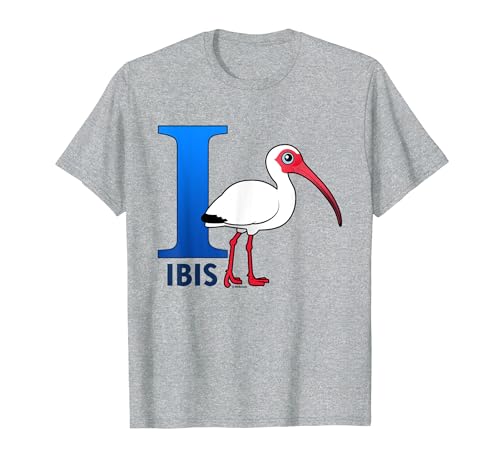
At Birdorable, we love sharing fun facts like this with our readers and fans. Our Birdorable White Ibis might not predict a storm, but it's ready to brighten your day no matter the weather!

Birdorable White Ibis Gifts

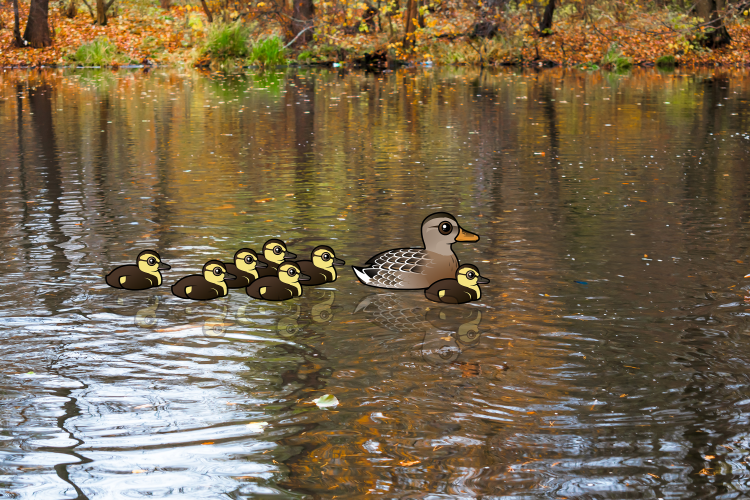
Mother Mallard with her ducklings

When it comes to baby birds, most people think of the word "chick" as a catch-all term. And while "chick" works for nearly all bird species, some types of birds have unique names for their young. These special terms often come from traditional falconry, farming, or historical use, and they can tell us a bit about how humans have interacted with certain birds over time.

One of the most well-known examples is eaglet, the specific term for a young eagle. This word has roots in Old French (as the diminutive of eagle) and has been used for centuries, especially in literature and ornithology. Eaglets are typically seen as majestic and noble, mirroring the cultural significance of adult eagles.

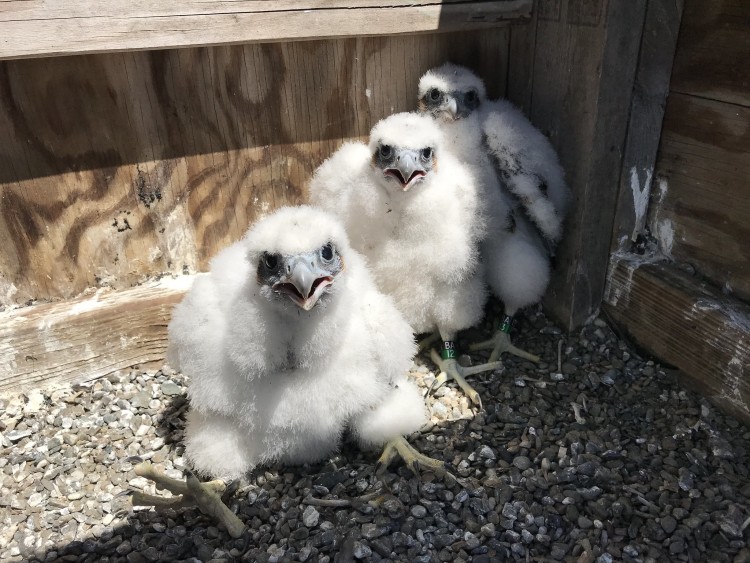
Another specialized term is eyas, which refers to a young species of falcon, especially one that is still in the nest. This word comes from Middle English falconry and was originally “niais,” from Latin “nidus,” meaning simply nest. Over time, “a niais” became “an eyas.” This evolution in language is called rebracketing, and it’s how “an apron” came from “a napron” as well. Eyas is rarely used outside falconry circles, but it's still an important word for anyone working with raptors.

For game birds like turkeys and pheasants, the word poult is used. A poult is a young game bird that hasn't yet reached maturity. This term is especially common among poultry farmers and hunters. It's practical and widely understood in agriculture, where these birds are often raised.

Swans, known for their elegance, have a unique baby name too: cygnet. This comes from the Latin word “cygnus,” meaning swan, combined with the French diminutive “-et,” making it literally little swan. Cygnet is used exclusively for young swans, and is especially common in the UK and in literary usage.

Peregrine Falcon eyases by Metropolitan Transportation Authority [CC BY 2.0]

Owls have their own baby term as well: owlet. This word functions similarly to eaglet, simply adding the diminutive suffix “-let” to the adult bird’s name. Owlet is widely used and appears in both scientific and casual contexts.

Another unique term is squab, which refers to a young pigeon, usually one that is still in the nest and has not yet fledged. Squabs are known for being plump and fast-growing, and the word is often used in culinary contexts as well, since young domestic pigeons have historically been raised for food. In birding and aviculture, the term helps distinguish these very young birds from older birds, especially in species like Rock Pigeons and domesticated breeds.

Some birds have more general names for their young. Ducks and geese both have chicks, but we usually call them ducklings and goslings. The “-ling” suffix is another diminutive, like “-let,” used to indicate something small or young. The same goes for fledgling, a term used more broadly for young birds that have just left the nest but are not yet fully independent. The terms hatchling and nestling follow this same format.

Unique chick names are more common for birds that have had long relationships with humans, be it through hunting, farming, or cultural symbolism. That’s why many raptors, swans, and game birds have special names for their young, while other birds do not.  While "chick" works for almost any young bird, using more specific names like cygnet or eyas can add clarity and depth, especially when talking about particular species or stages of development. Whether you're a birder, pet owner, or just bird-curious, knowing these terms is a fun way to connect more closely with the avian world.
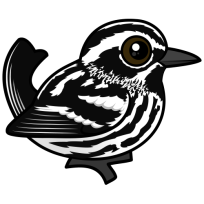
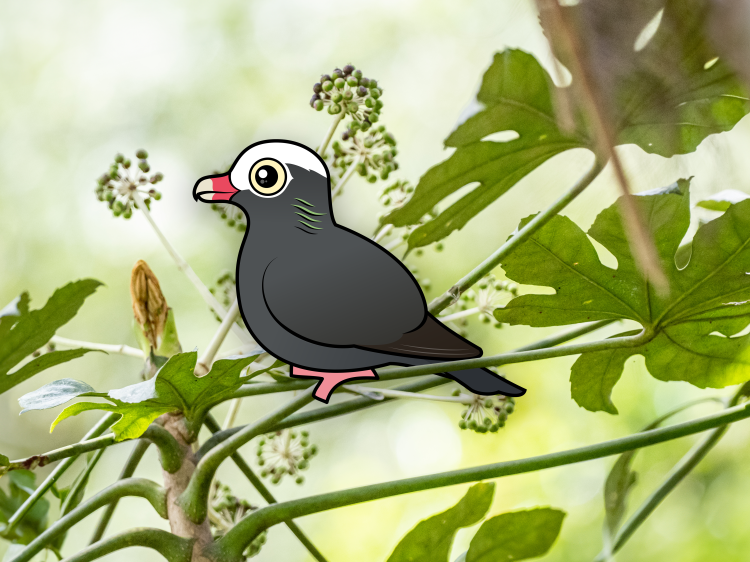
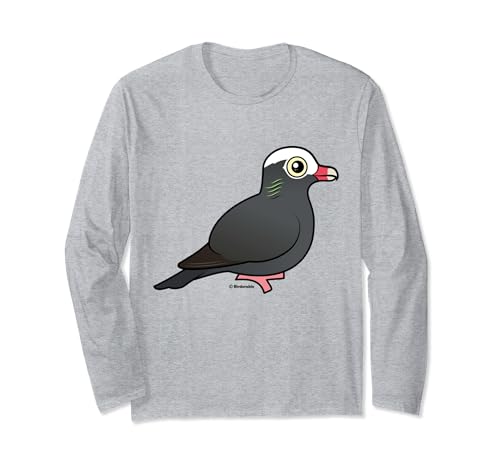
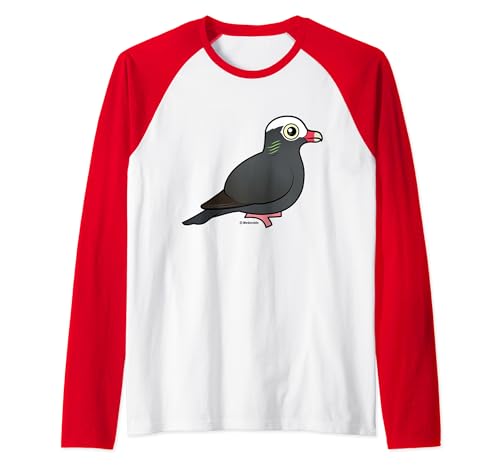
The White-crowned Pigeon is a large tropical pigeon found mostly in the Caribbean and parts of southern Florida. Known for its distinct white cap, this species may be an important seed disperser in its native habitats. Despite its striking looks and ecological role, the White-crowned Pigeon faces serious threats and is considered Near Threatened by the IUCN.

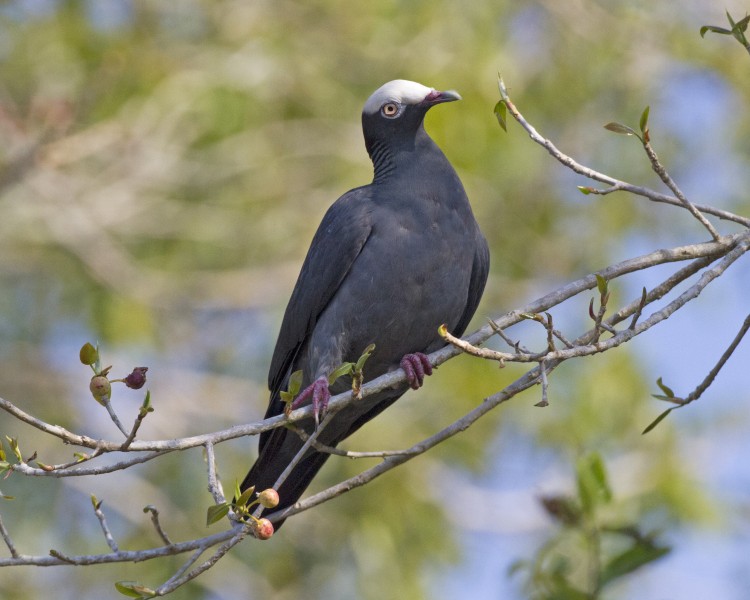
Adult White-crowned Pigeons are dark slate-gray overall, with a contrasting bright white patch on the top of the head. The neck often has a glossy green or purple sheen, and the bill is red with a white tip. They are about the size of the Rock Pigeon, with a longer tail and different head shape. Males and females look similar.

This pigeon species lives in coastal mangroves, hardwood hammocks, and tropical forests. It's most commonly found in the Caribbean islands, including the Bahamas, Cuba, Jamaica, and Puerto Rico. In the U.S., it breeds in the Florida Keys and southern tip of the Florida peninsula, but its presence there is more limited.

White-crowned Pigeon by Lip Kee Yap [CC BY-SA 2.0]

One of the most interesting things about White-crowned Pigeons is their reliance on two different habitats. They usually nest in remote coastal mangroves to avoid predators and human disturbance, but they travel inland to forage for food. Their diet includes the fruits and seeds of a wide variety of native trees and shrubs, including poisonwood, figs, and blolly. This feeding behavior makes them key players in maintaining tropical forest diversity.

Unfortunately, the White-crowned Pigeon faces several threats. Habitat loss is a major concern. Development and agriculture have reduced both nesting and foraging grounds. In Florida, for example, much of the native hardwood hammock forest has been cleared. Hunting also impacts populations in parts of the Caribbean, where pigeons and their squabs (babies) are still legally or illegally harvested.

These birds are also highly sensitive to human activity. Because they are so shy and need quiet areas for nesting, they are easily disturbed by noise or nearby development. Conservation efforts focus on protecting nesting sites and ensuring that feeding grounds remain intact and connected to each other. In some regions, hunting restrictions have been enforced to give the population a chance to recover.

White-crowned Pigeons are not often seen outside their range, so spotting one in southern Florida or the Caribbean can be a real treat for birders. They’re especially active during the breeding season from May to September, when they can be seen flying between their nesting and feeding areas.

If you’re lucky enough to live where these birds are found or are visiting the area, keeping an eye out for their strong, direct flight and that tell-tale white crown might reward you with a sighting. Supporting local conservation efforts and planting native trees can also help ensure these unique pigeons stick around.

Birdorable White-crowned Pigeon Gifts

As someone who grew up in Lake County, Illinois, I (Amy) could not be prouder of the County Board’s groundbreaking bird‑friendly ordinance passed in May 2025.  Lake County became the first place in the nation to pass a policy requiring new single‑family homes to include bird‑collision prevention measures. This forward‑thinking move follows successful commercial building rules adopted in June 2024 and marks a historic leap toward protecting our local bird populations.

Having watched and listened to birds since childhood, I know how deeply they enrich our community. Lake County lies along the Mississippi flyway and is Illinois’s most biodiverse county, so mitigating the roughly 1 billion U.S. bird deaths from window collisions annually (more than 40% at homes) matters a great deal there!

The ordinance wouldn’t exist without collaboration between the Planning, Building, and Development team in Lake County, and the Glass Collisions Program Director at ABC (American Bird Conservancy). Lake County birder and conservation advocate Donnie Dann was instrumental in the project; he first asked the county about adding such a policy to the books. Arthur and I fondly remember meeting Donnie at various Audubon related events back in the day.

The bird-safe new building requirements not only reflect local pride but also encourage a growing market for bird‑safe residential glass. As units begin construction this July, Lake County neighborhoods will become safer havens for migrating and resident species alike. It’s exciting to see how Lake County’s leadership is setting the standard—if we can show that bird‑friendly homes work there, other communities can follow.

Way to go, Lake County Illinois!

Birds and Window Strikes

While birds are in danger of window strikes all year long, migration is typically the deadliest time of year for collisions. And the birds most likely to fall victim to a window strike are those that migrate at night, and call out while in flight. In 2022 the American Bird Conservancy identified the seven species that most frequently die from these crashes; you can learn more about some of them below, and read the full article here: These Seven Bird Species are Most Likely to Collide with Windows.

More resources:

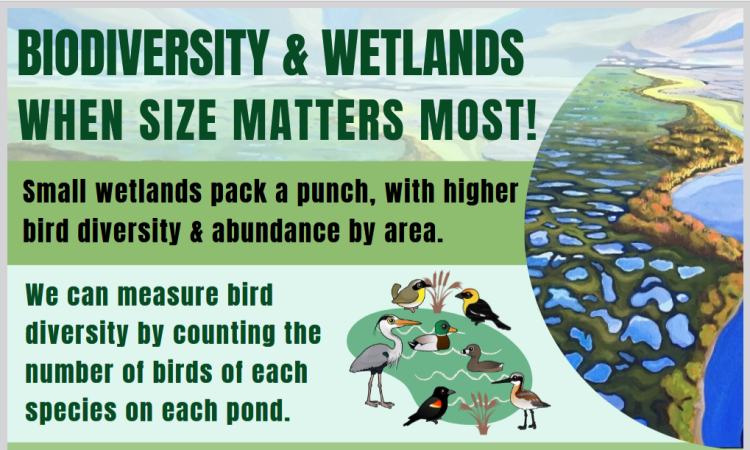
We’re thrilled to see Birdorable birds featured in a fun educational infographic related to an interesting study done by researchers at the University of Saskatchewan. The infographic is part of a public outreach effort to share results from a research project studying how wetlands in Prairie Pothole Regions support bird populations and biodiversity.

The study highlights how different types of wetlands provide essential habitat for a variety of bird species, and the special importance of small wetlands, which are unfortunately the type of wetland most vulnerable to degradation or loss. The research emphasizes how conserving a diversity of wetland types is key to supporting birds across the prairie landscape.

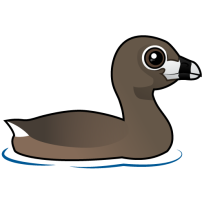
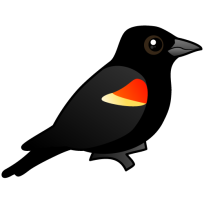
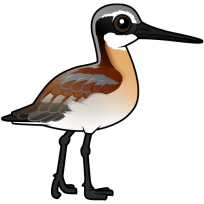
From dabbling ducks to shorebirds and secretive marsh birds, wetlands are home to some of our favorite Birdorable species—many of which make a cameo in the infographic! 

Here's a sneak peek of the infographic!

You can check out the full infographic here and peep some familiar feathered friends:
Biodiversity and Wetlands Infographic (PDF)

We're honored to have Birdorable birds helping to spread the word about conservation and the importance of wetland habitats.

A big thank you to the Prairie Water research team for using our artwork, and for giving Birdorable credit on the infographic. We love seeing our cute birds support science and learning! 

For more information on the study, follow these links:

Learn About the Birds Featured on the Infographic

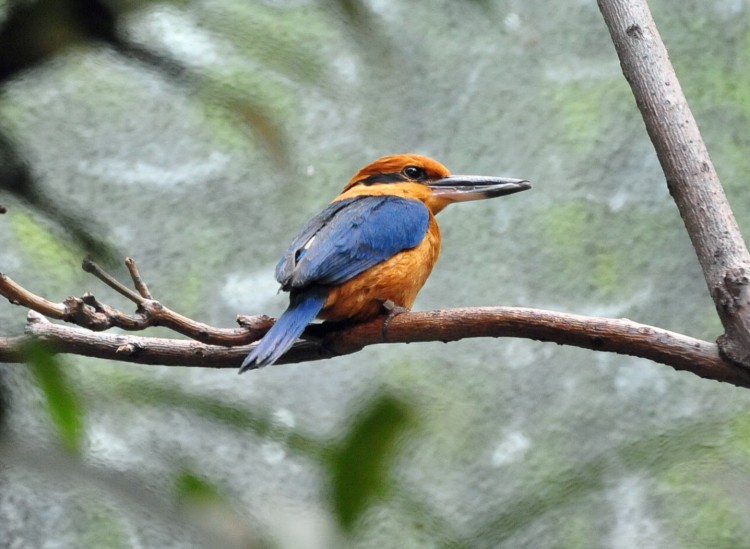
For the first time in nearly 40 years, the endangered Guam Kingfisher, known locally as the Sihek, has successfully laid eggs in the wild, marking a triumphant milestone in its recovery.

Nine juvenile kingfishers (four females and five males), hand-reared at zoo facilities across the United States and England, were released in September 2024 onto the predator-free Palmyra Atoll, a U.S.-protected nature preserve located about 1,000 miles south of Honolulu. The atoll's forests offer a safe reintroduction habitat for a species formerly extinct in the wild due to decimation brought on by invasive brown tree snakes on Guam. 

Guam Kingfisher by Heather Paul [CC BY-ND 2.0]

Within months, the birds paired up, established territories, excavated nests, and began hunting local prey. Three of the breeding pairs have now laid eggs, marking the first wild Guam Kingfisher eggs to be laid since the late 1980s! This is fantastic news for a species presumed to be extinct in the wild.
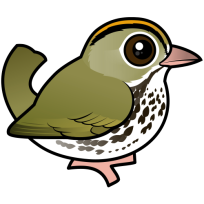
Though the birds are all young and inexperienced and their nesting attempt may not be successful, their efforts are being celebrated as a hopeful sign of ecological resilience.
The conservation effort is led by the global Sihek Recovery Program, involving institutions like The Nature Conservancy (TNC), U.S. Fish & Wildlife Service, and various zoos, including Brookfield in Chicago, the National Aviary, and Disney’s Animal Kingdom.

With a strategic goal of establishing ten breeding pairs on Palmyra, more Guam Kingfisher juveniles are slated for release this summer. Experts hope this self-sustaining wild population will eventually support reintroduction back to Guam.

This remarkable achievement underscores how collaborative conservation and predator-free sanctuaries can rescue species from extinction—and offer hope for their return to ancestral homelands.

Read more: 

Birdorable Guam Kingfisher Gifts