Puerto Rico Week

Birdorable Welcomes the Puerto Rican Woodpecker for Puerto Rico Week
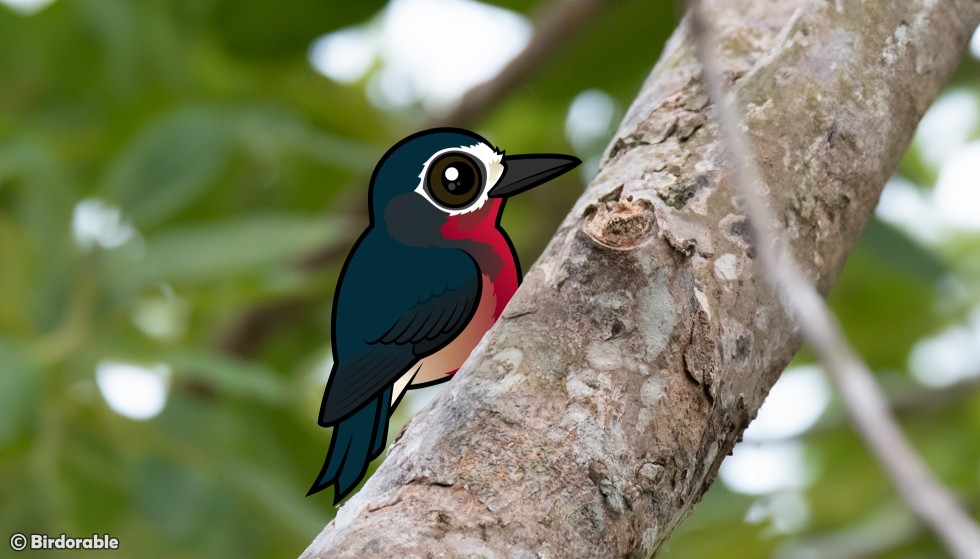
Birdorable Puerto Rican Woodpecker

As our special Puerto Rico Week rolls on, we’re excited to introduce a new member of our Birdorable family: the Puerto Rican Woodpecker!

This striking bird is another of Puerto Rico’s 18 endemic bird species. With its glossy steel-blue body, deep red throat, and white facial markings, the Puerto Rican Woodpecker stands out both in appearance and behavior. It’s the only woodpecker species found year-round in Puerto Rico, and therefore plays a vital role in the island’s ecosystems.

The Puerto Rican Woodpecker can be found across much of the island, from lowland forests and mangroves to mountain woodlands and even urban parks. It’s a familiar sight for many locals and visitors, often heard before it’s seen—thanks to its sharp, rhythmic drumming on tree trunks or even utility poles.
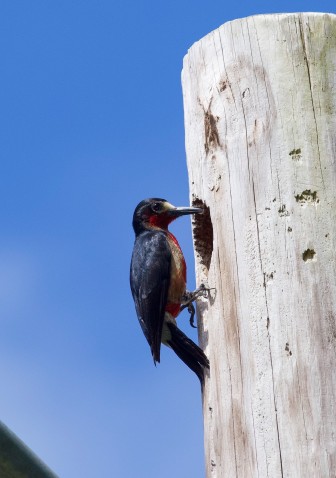
Puerto Rican Woodpecker by Brandon Trentler [CC BY 2.0]

Like other woodpeckers, the Puerto Rican Woodpecker uses its strong bill to excavate nest cavities and search for insects hiding in bark. It also feeds on fruits, nuts, and seeds, making it an important player in seed dispersal and pest control. Interestingly, observers have noted that female Puerto Rican Woodpeckers tend to forage higher in trees than their male counterparts -- but only during breeding season. All birds tend to forage at a maximum height of 17 meters (about 56 feet).

The Puerto Rican Woodpecker is considered a symbol of Puerto Rico’s natural heritage. While it’s still relatively common and not currently endangered, it depends on healthy forest habitats to thrive. Protecting Puerto Rico’s diverse woodlands helps ensure this iconic bird continues to drum away for generations to come.

Our Birdorable Puerto Rican Woodpecker captures the charm of this unique species in a cute and colorful design. Be sure to check out our selection of gifts and apparel featuring this new Birdorable species, and stay tuned as we continue to celebrate the amazing birds of Puerto Rico all week long!

Comments

Boris Kapriev on March 25, 2025 at 3:39 PM wrote:
I wonder if this week you guys will add the Green Mango (The hummer with the misleading name on the planet.)
Boris Kapriev on March 26, 2025 at 3:37 AM wrote:
Sorry, I meant the MOST misleading
Spurwing Plover on January 26, 2026 at 6:05 PM wrote:
I have seen the Piliated, Acorn, Lewis, and Northern(Red Shafted)Flickers I even heard one rapping on a Metal Gate some years ago

Leave a comment

Comments with links or HTML will be deleted. Your comment will be published pending approval.
Your email address will not be published
You can unsubscribe from these communications at any time. For more information on how to unsubscribe, our privacy practices, and how we are committed to protecting and respecting your privacy, please review our Privacy Policy. By clicking submit below, you consent to allow Birdorable to store and process the personal information submitted above to provide you the content requested.

2020 Bonanza Bird #5: Australian White Ibis

Today’s new bird is an Australian wading species, native to the island nation and now widespread across a variety of habitats. Our second bird in the 2020 Birdorable Bonanza is the Australian Ibis! This species is also known as the Australian...

2018 Bonanza Bird #4: Emu

Today we are revealing our 700th Birdorable species: the Emu! This species has been our most requested bird since we started Birdorable. The Emu is the world's second largest bird species, just after the Ostrich. These flightless birds are endemic to...

Baby Birdorable: Wattled Crane for Crane Week

It's Crane Week, so how about a crane edition of our Baby Birdorable series to celebrate? If you think our Birdorable birds are cute as adults, what about when they are babies? Wattled Cranes are found in Africa, south of the Sahara. They raise their chicks near wetlands...

Mosquitoes to the Rescue? A Groundbreaking Conservation Effort in Hawaii

In an unprecedented and inspiring leap towards conservation, the American Bird Conservancy, alongside other conservatoin agencies, has embarked on a groundbreaking mission in Hawaii to save several critically endangered Hawaiian honeycreepers from the brink of extinction. The culprits behind the looming threat? Invasive Southern House Mosquitoes...