From Coast to Cute: The American Oystercatcher at Birdorable

Birdorable American Oystercatcher

Birdorable is thrilled to introduce a new member to its adorable avian assembly: the American Oystercatcher. Sporting a distinctive black and white plumage that easily catches the eye, this unique bird wields a long, thick orange beak, a tool perfectly suited to its seaside lifestyle. The American Oystercatcher's impressive beak isn't just for show; it plays a crucial role in the bird's survival, serving as a natural utensil to skillfully pry open molluscs, its preferred meal. This dietary habit underscores the bird's strong connection to its coastal habitat, where it forages along the shores, adding a dash of color to the landscape with its vivid beak and contrasting plumage.

Found primarily along the Atlantic coast of North America, the American Oystercatcher's range extends from the rocky shores of New England down to the sandy beaches of northern Florida. It also graces the Gulf coast, where its presence is a treat for birdwatchers and nature lovers alike. The bird's habitat choice reflects its need for accessible food sources and suitable nesting grounds, which the coastal environments abundantly provide.

The American Oystercatcher shares many similarities with its counterpart, the Eurasian Oystercatcher, which is widely distributed across Europe and Asia. Despite the geographical distance between them, both species exhibit remarkable adaptability to their respective coastal habitats, showcasing the incredible diversity within the oystercatcher family. This similarity also highlights the universal appeal of these birds among birding communities around the globe, bridging continents with their shared characteristics.
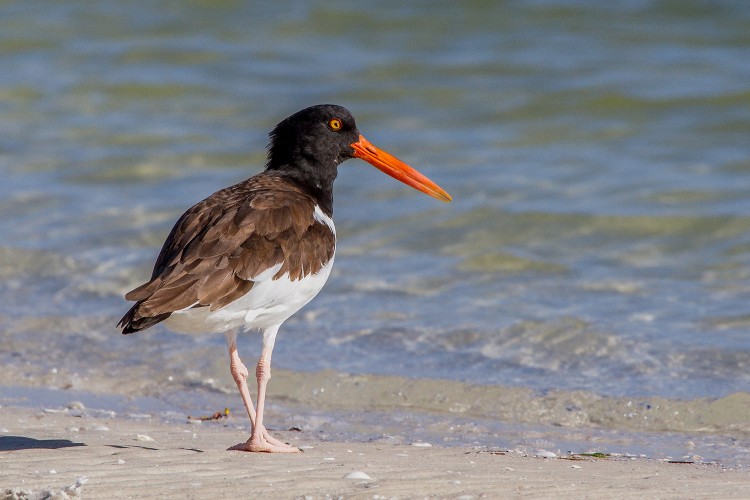
Photo of an American Oystercatcher

American Oystercatcher by Andy Morffew (CC BY 2.0 DEED)

The American Oystercatcher, with its bold colors and distinctive lifestyle, is a perfect example of the wonders that await discovery in the great outdoors. So, the next time you're near the coast, keep an eye out for this remarkable bird and remember the cute and educational resources available at Birdorable.com, where every bird is made adorable.

Comments

Louise Warner on February 18, 2017 at 2:03 PM wrote:
its so cute!!!
Spurwing Plover on May 22, 2022 at 5:47 AM wrote:
Their beak is made so they can open up s shellfish by wedging their beaks in and severing the Musle used to keep it closed
Spurwing Plover on March 24, 2023 at 6:56 AM wrote:
American Oyster Catcher he only catches American Oysters

Leave a comment

Comments with links or HTML will be deleted. Your comment will be published pending approval.
Your email address will not be published
You can unsubscribe from these communications at any time. For more information on how to unsubscribe, our privacy practices, and how we are committed to protecting and respecting your privacy, please review our Privacy Policy. By clicking submit below, you consent to allow Birdorable to store and process the personal information submitted above to provide you the content requested.

Avocet Species Spotlight: Andean, Pied, Red-necked, and American

On this second day of Avocet & Stilt Week, we're introducing you to three new Birdorable species. The avocets are a remarkable group of wading birds within the avocet and stilt (Recurvirostridae) family, known for their elegant appearance and unique feeding techniques. Among the four total species of...

Soaring High: Meet the Beautiful Brahminy Kite

We’re excited to introduce the third bird of our 2025 Birdorable Bonanza: the striking and graceful Brahminy Kite. A medium-sized bird of prey, the Brahminy Kite is a perfect blend of elegance, power, and cultural meaning. It's a a worthy addition to any birder’s life...

Understanding the Common Cuckoo’s Unique Lifestyle

Happy December! As our Birdorable Bonanza 2024 starts to wind down, we're adding a tricky bird native to a wide range across the Old World: it's the Common Cuckoo! The Common Cuckoo is a fascinating bird known for its unique breeding behavior and its iconic two-note call, which signals...

Meet the Birdorable Rufous Hornbill: A Philippine Treasure

Today’s new species is one of 10 hornbill species found in the Philippines. The Rufous Hornbill is a Philippine endemic found in forest habitat across 11 of the nations’ islands. It is also known as the Philippine Hornbill. There is little known to science...