Bonanza Bird #13: Blue-gray Gnatcatcher

Lucky Bonanza bird #13 is the Blue-gray Gnatcatcher!
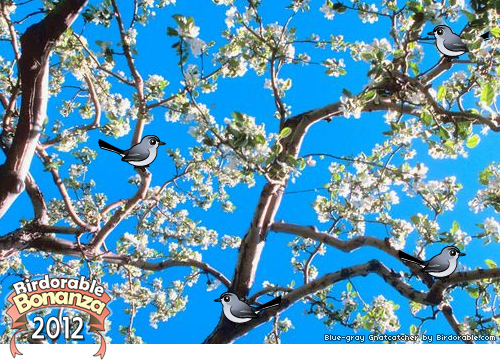
Blue-gray Gnatcatcher

There are twelve species of gnatcatcher in the world. The Blue-gray Gnatcatcher occurs the furthest north of all, and is the only species that migrates (at least part of the population does so).
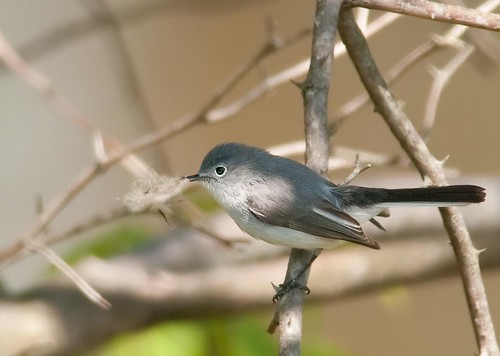
Gnatcatcher, April, PA
Gnatcatcher by Kelly Colgan Azar

These small birds are known for their extremely active nature. They spend much of their time foraging for food high up in trees, constantly on the move. They can be identified by their sweet buzzy call, given frequently while they feed.

Blue-gray Gnatcatcher

Tomorrow's bird is a common and very vocal North American species of raptor. Can you guess what it will be?

Birdorable Bonanza Preview

Comments

laurakeet on July 22, 2012 at 12:01 PM wrote:
Might it be the red shouldered hawk?
Louise Warner on March 6, 2017 at 8:19 AM wrote:
red shouldered hawk...easy!

Leave a comment

Comments with links or HTML will be deleted. Your comment will be published pending approval.
Your email address will not be published
You can unsubscribe from these communications at any time. For more information on how to unsubscribe, our privacy practices, and how we are committed to protecting and respecting your privacy, please review our Privacy Policy. By clicking submit below, you consent to allow Birdorable to store and process the personal information submitted above to provide you the content requested.

Read About Lekking: What It Means And Which Birds Do It

A lek is a group of male animals, most commonly birds or insects, that gathers as part of a breeding strategy. The males perform displays in an arena-like setting in order to lure observing females into mating. Lekking in most bird species is like a big mating party where...

Meet the Birdorable King Eider: The Majestic Sea Duck of the North

Today the second of our three “kings” joins Birdorable in the lead-up to Christmas. The King Eider is a large species of sea duck found in both the Old and New World. King Eiders are hardy ducks, spending almost all of their time...

Share the Love: Celebrate Valentine's Day with Birdorable Shareable Graphics

This Valentine's Day, Birdorable is here to help you tell that special someone just how much they mean to you with our collection of bird-themed Valentine's graphics. Perfect for sharing on Facebook, Twitter, Instagram, and other platforms, these charming e-cards are sure to delight bird watchers and bird...

Brilliant Blue: Nature’s Trickiest Feather Color

A Blue Jay looks blue for the same reason a Northern Cardinal looks red, or so it seems. The cardinal’s red comes from pigment it picks up in its diet and stores in its feathers. Blue, you would guess, works the same way: some blue pigment tucked...