


Species Profile
Digging Into The Fascinating Life of Burrowing Parakeets
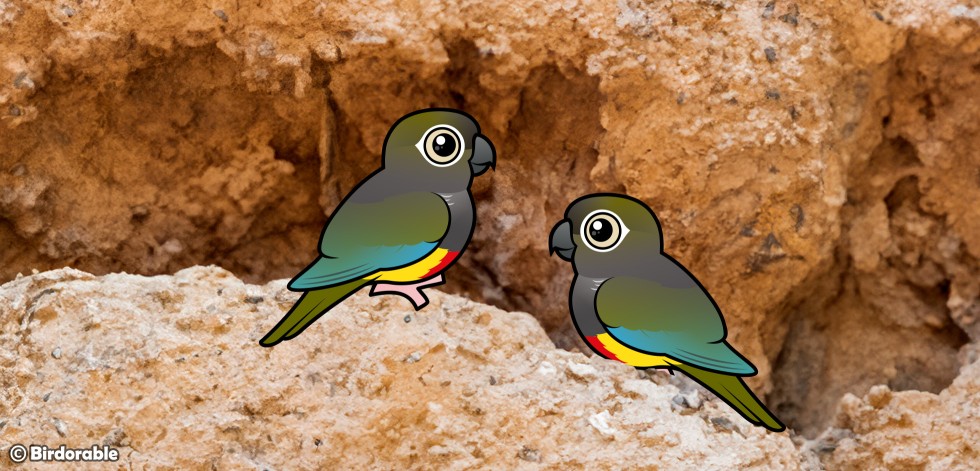
Burrowing Parakeets in Argentina
Birds are known for their diverse nesting habits, constructions, and detail, from the basic yet functional pressed grass nests of American Robins, to the simple pile of sticks that Mourning Doves call nests, to the complex and intricately woven hanging nests of Baltimore Orioles.
Today we'll look at one bird species that takes an entirely different, fairly unique approach to nest-building, creating a living space that is as unique as it is fascinating. The Burrowing Parakeet, also known as the Burrowing Parrot or Patagonian Conure, has an extraordinary underground nesting habit, as well as a special ability at self- thermoregulation.
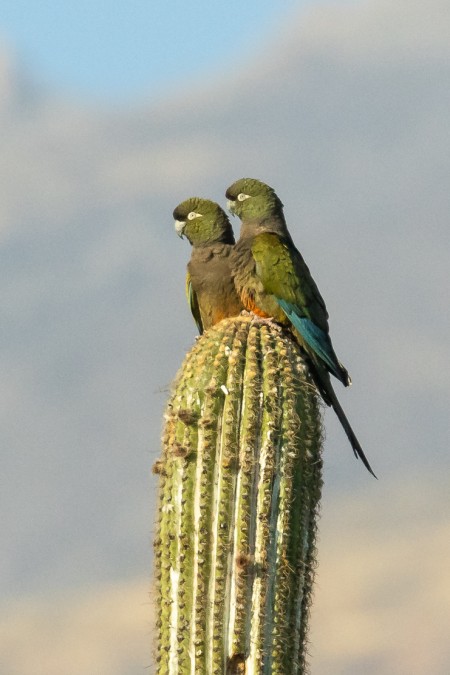
Burrowing Parakeets by Francesco Veronesi (CC BY-SA 2.0 Deed)
Found mainly in South America, particularly in Argentina and Chile, these medium-sized, long-tailed parakeets have adapted to a lifestyle that is quite uncharacteristic of what one might expect from such a bird. Instead of taking to the trees, the Burrowing Parakeet digs its home into the sides of cliffs, riverbanks, or even man-made structures, where soil conditions allow. These are not mere holes in the ground but elaborate tunnel systems that can extend several meters deep and connecting with other birds in the nesting colony.
The choice of underground burrows as nesting sites offers several advantages. Firstly, it provides excellent protection from predators, as the entrances are typically small and located in places that are difficult for other animals to access. Secondly, these burrows offer a stable environment that shields the birds from the harsh weather conditions typical of their natural habitats, such as extreme heat during the day and cold at night. But perhaps the most fascinating aspect of these burrows is how they aid in the bird's unique thermoregulation ability.
The Burrowing Parakeet has an interesting way of maintaining its body temperature compared to extreme cold temperature changes in its environment. Their underground burrows have a relatively constant temperature, significantly cooler than the outside air during hot days and warmer during cold nights. This natural insulation allows the birds to conserve energy that would otherwise be spent on regulating their body temperature through physiological means. In addition to the temperature benefits provided by the burrow, these little birds also increase their weight and decrease their metabolism to both conserve energy and withstand food shortages.
Breeding season sees the burrows come to life, as they become the center of the Burrowing Parakeet's social and reproductive activities. Each burrow becomes a nursery, where females lay their eggs and couples raise their young. The community aspect of these burrows is also noteworthy, with multiple pairs often nesting in close proximity, creating a bustling underground neighborhood. This social structure not only helps in defending against predators but also plays an important role in the learning and development of young parakeets, as they interact with not just their parents but also other members of their community.
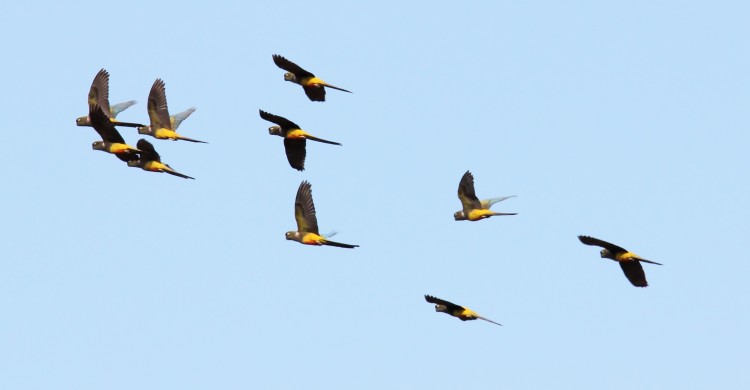
Burrowing Parakeets by Dominic Sherony (CC BY-SA 2.0 DEED)


Comments
Leave a comment
Thank you!