Meet the Charming Chaffinch: Europe's Feathered Friend
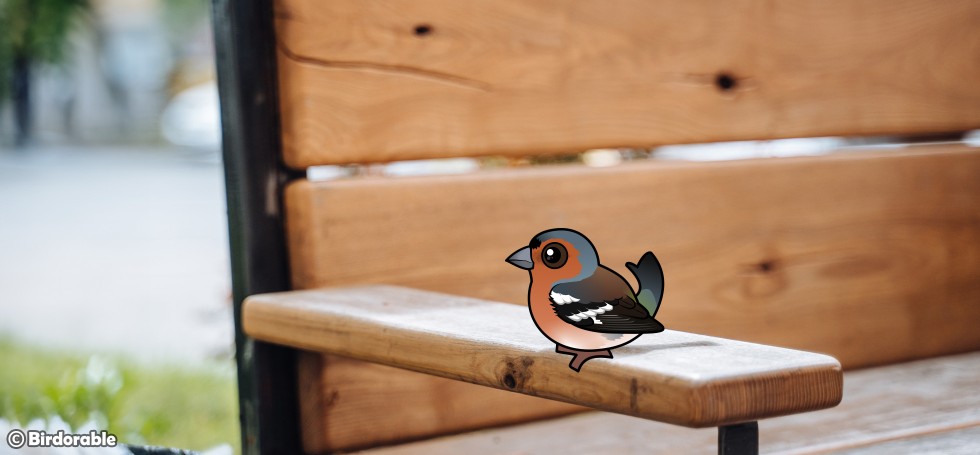
Birdorable Common Chaffinch on park bench

The Chaffinch is a common and delightful bird found across Europe, easily recognized by its distinctive song and vibrant colors. These birds are frequent visitors to gardens and backyards, making them familiar to many bird enthusiasts.

Male Chaffinches are particularly eye-catching during the breeding season. They boast a slate-blue cap, a rusty red breast, and a pinkish face, creating a striking appearance. Females, on the other hand, have more subdued colors, with greyish-brown plumage that provides excellent camouflage.

Chaffinches are part of the finch family and are known for their melodious song, which is a cheerful addition to any garden. Their diet primarily consists of seeds, but they also feed their chicks insects, ensuring the young birds get the protein they need for healthy growth.
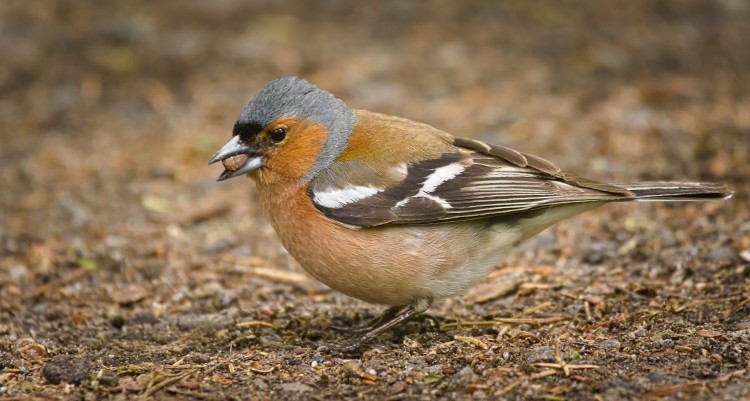
Male Common Chaffinch with seed by hedera.baltica (CC BY-SA 2.0 DEED)

One interesting fact about Chaffinches is that they have different regional song dialects depending on their geographical location. This means that a Chaffinch in Spain might sound slightly different from one in Germany. Bird enthusiasts enjoy trying to distinguish these subtle differences when traveling.

Our new Birdorable Chaffinch design captures the essence of this charming bird, highlighting its cute and vibrant features. Whether you are an avid birdwatcher or just someone who enjoys the occasional visit from feathered friends in your garden, the Chaffinch is a delightful bird to observe. Check out these cute Chaffinch gifts:

Comments

Andrew on November 21, 2018 at 4:35 AM wrote:
common chaffinch
Woodpiecer on May 31, 2024 at 1:39 AM wrote:
There are other species of Chaffinch, the Common Chaffinch is already in the 'Meet the Birds' page since 2008. Other species of Chaffinch (are not in the 'Meet the Birds' page) are Azores Chaffinch, Madeira Chaffinch, Canary Islands Chaffinch, African Chaffinch, Tenerife Blue Chaffinch, and the Gran Canaria Blue Chaffinch. Birdorable, can you please add the rest of the Chaffinch species, please?

Leave a comment

Comments with links or HTML will be deleted. Your comment will be published pending approval.
Your email address will not be published
You can unsubscribe from these communications at any time. For more information on how to unsubscribe, our privacy practices, and how we are committed to protecting and respecting your privacy, please review our Privacy Policy. By clicking submit below, you consent to allow Birdorable to store and process the personal information submitted above to provide you the content requested.

Birdorable Bonanza 2024 Starts on Monday

Are you ready? Our 16th annual Birdorable Bonanza will start on Monday, November 18th! We're thrilled to continue our tradition of introducing an array of new birds from around the world during this special event. Over the years, our Birdorable Bonanzas have become a fun and frenzied annual tradition. You can revisit the previous years' celebrations right here: 2009, 2010, 2011, 2012, 2013, 2014, 2015, 2016, 2017, 2018, 2019, 2020, 2021, 2022, and 2023.

ABA Honors Common Loon as 2025 Bird of the Year

The American Birding Association (ABA) has selected the Common Loon as its Bird of the Year for 2025. The ABA's Bird of the Year program aims to inspire and educate birding enthusiasts by spotlighting a particular species annually. The program began in 2011 with the

The Rufous-bellied Kookaburra: The Solitary Rainforest Dweller

Happy Friday! Today's new Birdorable Bonanza bird is the Rufous-bellied Kookaburra. The Rufous-bellied Kookaburra is one of four species of kookaburra in the world. Kookaburras are large "tree" kingfishers. A few traits set the Rufous-bellied Kookaburra apart from the other kookaburras.

Cool Facts about Gulls: Frequently Asked Questions

We're celebrating the world's gulls! Today we are sharing some FAQs about gulls. Why do gulls stand on one leg? Gulls aren't the only birds that stand on one leg. Many species exhibit this behavior, and the reason usually has to do with regulating body temperature. Feathers on...