2020 Bonanza Bird #14: White-eyed Vireo
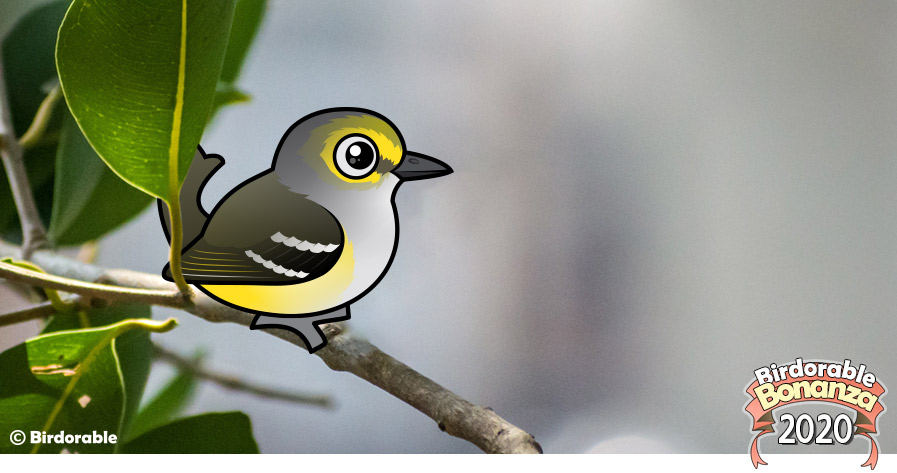
Birdorable White-eyed Vireo

Today we’re adding a species found across a wide range in the eastern United States: the White-eyed Vireo!

White-eyed Vireos are found in scrubby forest habitat. They are migratory, with their winter range extending down into Central America and the Caribbean. They eat a variety of insects.

Often heard before they are seen, if they are seen at all, White-eyed Vireos have a distinctive song. Birders remember the White-eyed Vireo’s vocalization by employing some funny mnemonics, including the rude-sounding “Spit! See if I care! Spit!”
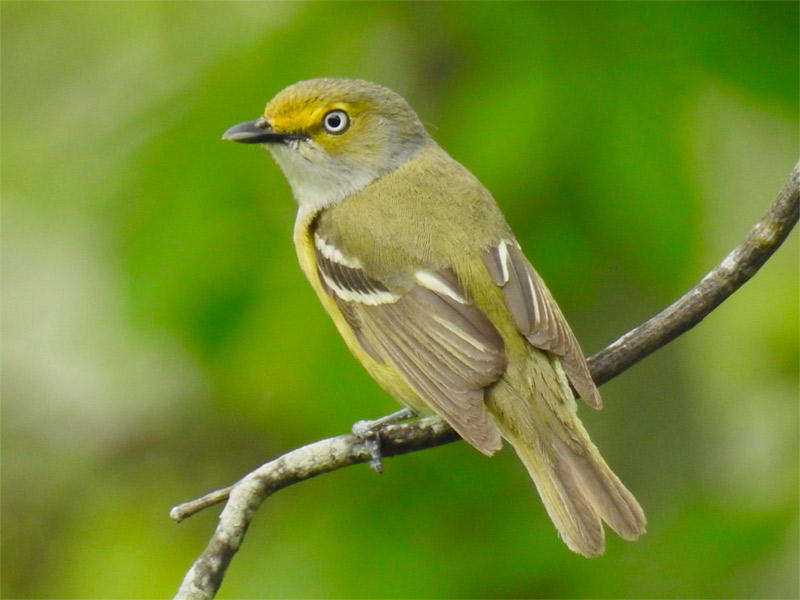
White-eyed Vireo
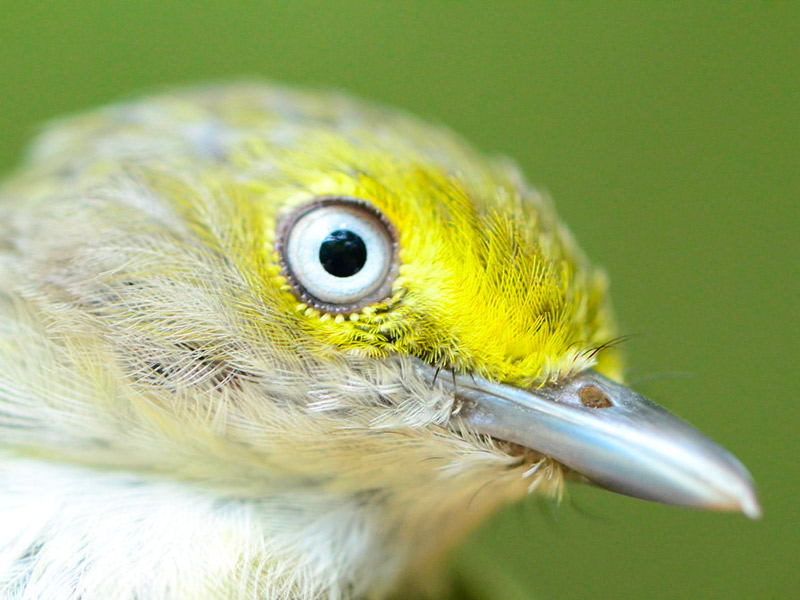
White-eyed Vireo close-up of eye

Tomorrow’s new species is a type of corvid (crow family) with an extremely long tail. It is named for the color of its beak and the color of most of its feathers. Can you guess the bird?

Cute White-eyed Vireo Gifts

Comments

Be the first to comment

Comments with links or HTML will be deleted. Your comment will be published pending approval.
Your email address will not be published
You can unsubscribe from these communications at any time. For more information on how to unsubscribe, our privacy practices, and how we are committed to protecting and respecting your privacy, please review our Privacy Policy. By clicking submit below, you consent to allow Birdorable to store and process the personal information submitted above to provide you the content requested.

Meet the Long-tailed Duck: Vocal, Elegant, and Made for the Arctic

The Long-tailed Duck is a medium-sized sea duck with a distinctive appearance that changes dramatically between seasons. During the breeding season, males sport a mostly dark plumage with a striking white face and a long, slender tail that can measure up to 10 inches, accounting for about...

Busting a Bird Myth: Can Owls Rotate Their Heads All the Way Around?

As part of our continuing series on bird myths, today we unravel the truth behind a familiar claim: Owls Can Turn Their Heads 360 Degrees. While this statement stretches the truth by nearly 100 degrees, the reality is no less astonishing. Owls are indeed masters of neck...

(Cute) Infographic Highlights Importance of Prairie Wetlands

We’re thrilled to see Birdorable birds featured in a fun educational infographic related to an interesting study done by researchers at the University of Saskatchewan. The infographic is part of a public outreach effort to share results from a research project studying how...

Berry Season: 5 Birds You Might See Snacking in Late Summer

Late summer is a great time for berry-loving birds. As wild berries ripen, many species take advantage of the sweet, energy-rich food source. These fruits provide a boost for birds preparing for fall migration or molting. Here are five birds that especially enjoy berries this time...