2021 Bonanza Bird #10

Bare-Faced Beauty: The Unique Appearance of Australian Brushturkeys
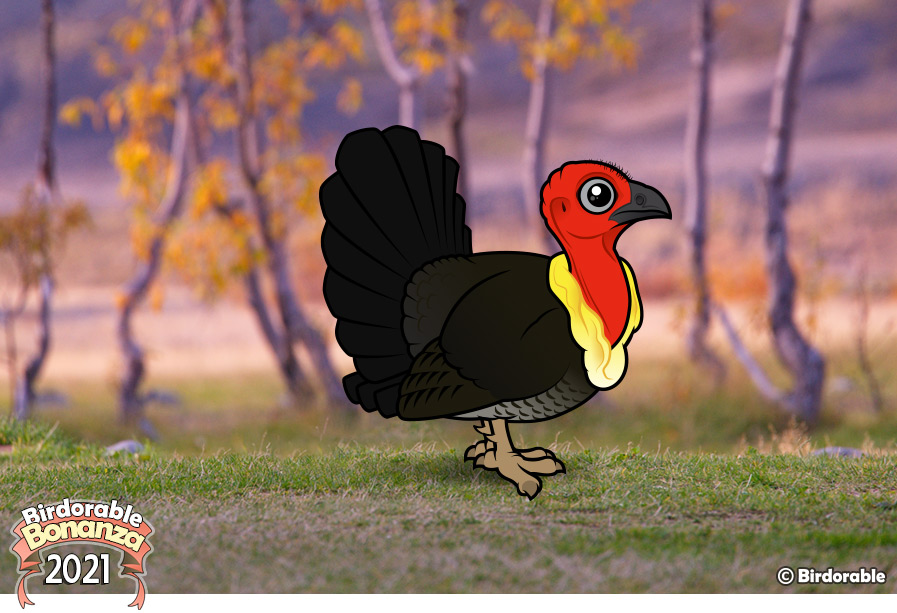
Birdorable Australian Brushturkey

Happy Thanksgiving! Today's new species isn't related to today's most famous bird, but the name is similar -- welcome the Australian Brushturkey to Birdorable!

Australian Brushturkeys are large, darkly plumaged birds with bare facial and neck skin. In males, the red head and yellow cowl are bright and unmistakable, especially during breeding season.

These large birds are clumsy in flight. They forage for food by scratching at the ground with their feet. Flight is used sparingly, to escape predators, or to reach safe roosting spots.

The Australian Brushturkey is known by a few other names, including Gweela, Scrub Turkey, or Bush Turkey.
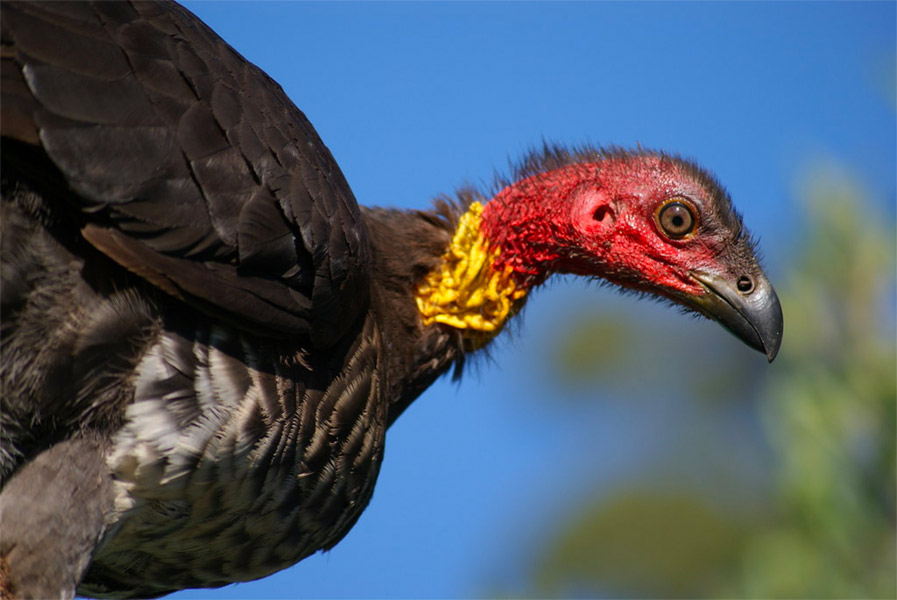
Australian Brushturkey photo
Australian Brushturkey by Brisbane City Council (CC BY 2.0)

Tomorrow our 13th Annual Birdorable Bonanza will conclude with the addition of a species in the roller family with an appropriate name for Black Friday. Can you guess the species?

Birdorable bonanza preview #11

Cute Brushturkey Gifts

Comments

Be the first to comment

Comments with links or HTML will be deleted. Your comment will be published pending approval.
Your email address will not be published
You can unsubscribe from these communications at any time. For more information on how to unsubscribe, our privacy practices, and how we are committed to protecting and respecting your privacy, please review our Privacy Policy. By clicking submit below, you consent to allow Birdorable to store and process the personal information submitted above to provide you the content requested.

Razorbills out of range

Florida birders have been treated to a rare sight this winter. Hundreds of Razorbills have been seen off both coasts of the state; the birds have been seen as far west as Pensacola along the Gulf of Mexico! The normal winter range for the Razorbill, which is a...

Brilliant Blue: Nature’s Trickiest Feather Color

A Blue Jay looks blue for the same reason a Northern Cardinal looks red, or so it seems. The cardinal’s red comes from pigment it picks up in its diet and stores in its feathers. Blue, you would guess, works the same way: some blue pigment tucked...

Busting a Bird Myth: Feeding Hummingbirds in Fall and Migration

A common myth surrounding hummingbirds is that feeding them in the fall will prevent them from migrating. This myth suggests that providing a food source during migration season will encourage hummingbirds to stay in one place rather than making their long journey south for the winter. However, this...

Cockatoos anticipate tasty prize, use self-control

In a recent research study, it was discovered that cockatoos would exhibit self-control in order to receive a prized nut. Self-control was previously thought to be exclusively practiced by animals with larger brains. Researchers...