


Birdorable Bonanza 2026 Bird #5
Australia's Spoonbill with a Sunny Yellow Bill
Birdorable is turning 20! To celebrate, we’re introducing a brand-new bird every day for 20 days. Welcome to day five of the 2026 Birdorable Bonanza.

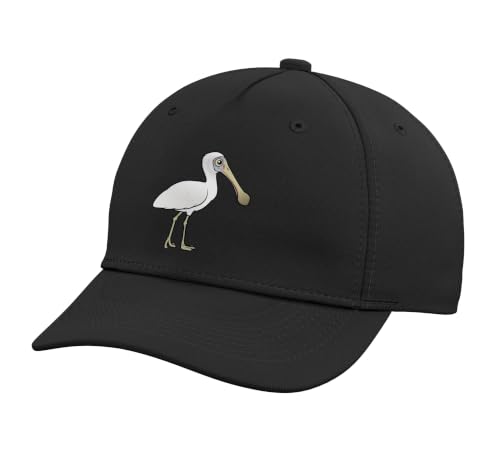
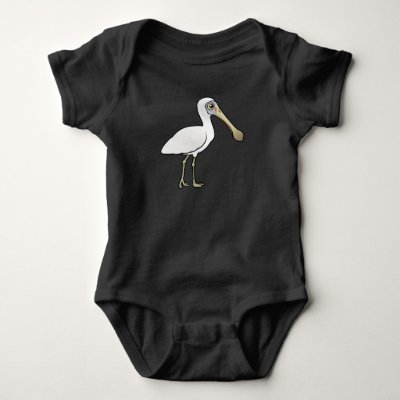
A tall white bird wades slowly through a muddy pond, swinging its head from side to side like someone sweeping a floor. That’s the Yellow-billed Spoonbill, and the secret to its sweeping is its amazing bill. It’s long and flat, and it widens at the tip into a rounded shape just like a spoon. The bill is yellow, and so are the bird’s bare face, legs and feet, while its feathers are white all over. In breeding season it dresses up: a thin black line appears around its face, the lacy feathers at the tips of its wings turn black, and long, wispy feathers grow on its chest.
Feeling for Food
A Yellow-billed Spoonbill doesn’t need to see its food to catch it. Inside the spoon-shaped tip of its bill are tiny bumps that sense vibrations in the water. As the bird sweeps its bill back and forth, those bumps feel the wiggles of insects and other small animals, even in water too muddy to see through. That means a spoonbill can feed in the daytime or in the middle of the night. When it catches something, it lifts its bill and lets the food slide down its throat. Most of its meals are water insects and their young, but it will also catch spiders.

Photo by birdsaspoetry (public domain)
Yellow-billed Spoonbills live across much of Australia, especially in the north and in wet places inland, but not on the island of Tasmania. They like freshwater wetlands, swamps, lagoons and even farm ponds, and they wander from place to place rather than staying put. When it’s time to nest, they often join big colonies with ibises and other waterbirds. Each pair builds a flat platform of sticks and reeds high in a tree over the water or tucked among the reeds. The male brings the building materials, the female builds the nest, and then both parents take turns keeping the eggs warm and caring for the chicks. Spoonbills are quiet birds that make only soft grunts and a clapping sound with their bills. They are listed as a species of Least Concern.
Coming Up Tomorrow
Tomorrow we’re heading to the rainforests of northeastern South America to meet a bird that’s as orange as a traffic cone. The male wears a big, bright orange crest on top of his head. Males gather in groups to show off for the females, and instead of building nests in trees, these birds nest on rocky cliffs and in caves. Can you guess who it is? Come back tomorrow for bird number six in the Birdorable Bonanza!






Comments
Leave a comment
Thank you!