T-Shrit Tuesday

Upside-Down Charm: The 'N is for Nuthatch' Birdorable T-Shirt

This week, we're excited to spotlight a t-shirt design that's sure to capture the hearts of bird lovers and alphabet aficionados alike — our adorable "N is for Nuthatch" featuring the charming Red-breasted Nuthatch. Known for their acrobatic antics and ability to navigate tree trunks and branches with ease, often moving headfirst downward, the Red-breasted Nuthatch embodies the spirit of curiosity and exploration in the avian world. This Birdorable design celebrates not just a letter of the alphabet but the unique behaviors that make nuthatches a favorite among birdwatchers.

Perched whimsically upside-down on the letter "N," the Birdorable Red-breasted Nuthatch illustrates this bird's distinctive feeding and movement style. It's a playful nod to the natural world, blending the charm of birdwatching with the joy of learning, making it perfect for bird lovers of all ages.

Whether you're a seasoned birder, a parent looking to spark an interest in nature in your children, or simply someone who appreciates the cute and quirky side of wildlife, this t-shirt is a wonderful addition to your wardrobe. It's also an invitation to explore our other alphabet-themed designs, each featuring a different Birdorable bird that brings another letter to life in the most enchanting way, from A is for Avocet to Z is for Zebra Finch.

Available on a variety of apparel options, the "N is for Nuthatch" design is more than just a t-shirt; it's a statement of love for the natural world and the fascinating creatures that inhabit it. So, whether you're out on a birdwatching adventure, enjoying a casual day out, or just lounging at home, let this cute nuthatch accompany you and share a slice of nature's wonder with everyone you meet.

Birdorable N is for Nuthatch T-Shirt

A Closer Look at the Black Woodpecker: The Forest's Master Carpenter

Birdorable Black Woodpecker

If you've ever wandered through the dense forests of Eurasia, you might have been lucky enough to hear the deep, resonant drumming of the Black Woodpecker. This striking bird, cloaked in jet-black feathers with a bold red crown, is a sight to behold. Standing as the largest of the Old World woodpeckers, the Dryocopus martius carves out a niche in both the literal and ecological sense, playing a vital role in its habitat.

The Black Woodpecker, with its glossy black plumage, is not just a feast for the eyes but also a marvel of bird engineering. Its beak, a natural chisel, is designed to bore into the hardest of woods, creating intricate nests and searching for its favorite meal: wood-boring insects. These birds are master carpenters of the avian world, and their ability to excavate large cavities in trees not only provides them with nesting sites but also benefits other species that use these spaces for their homes.

Living primarily in mature forests across Europe and Asia, these woodpeckers have adapted perfectly to life in the woods. Their preference for old-growth forests, with plenty of dead or decaying trees, showcases the importance of preserving natural woodlands. These habitats are crucial not only for the Black Woodpecker but also for maintaining biodiversity and ecosystem health.

Despite their somewhat ominous appearance, Black Woodpeckers are shy and elusive. Spotting one requires patience and a bit of luck. Early morning is often the best time to catch a glimpse of these birds as they go about their daily routines of foraging and nest-building. Their distinctive call, a loud and clear "klee-yee," can echo through the forest, serving as a beacon for birdwatchers.

Black Woodpecker by Stefan Berndtsson (CC BY 2.0 DEED)

The breeding season brings out another interesting aspect of Black Woodpecker behavior. They are monogamous birds that put a lot of effort into their nesting sites, which they return to year after year, continuously improving and expanding them. The male takes the lead in nest excavation, which can take up to two weeks—a testament to their dedication and work ethic.

Conservation efforts for the Black Woodpecker have been relatively successful, with the species maintaining a stable population in most of its range. However, they are not without threats; habitat loss due to deforestation and the removal of dead trees, which are often seen as unsightly or dangerous, can have detrimental effects on their population. Thus, conservationists emphasize the importance of preserving old-growth forests and standing deadwood, vital components of the Black Woodpecker's habitat.

The Black Woodpecker's role in the ecosystem extends beyond just being a magnificent bird to observe. By creating nesting cavities, they provide habitats for a variety of other species, including bats, owls, and other small mammals and birds that cannot excavate their own nesting sites. This makes them a keystone species, underlining the interconnectedness of forest ecosystems and the importance of each species within it.

For those passionate about birds, the Black Woodpecker represents the mystery and allure of the forest. Its presence is a reminder of the wild, untamed beauty of nature and the need to protect and preserve our natural habitats. Whether you're a birdwatcher, a conservationist, or simply someone who appreciates the wonder of nature, the Black Woodpecker is a bird that captivates the imagination and inspires a deeper appreciation for the natural world.

Cute Black Woodpecker Gifts

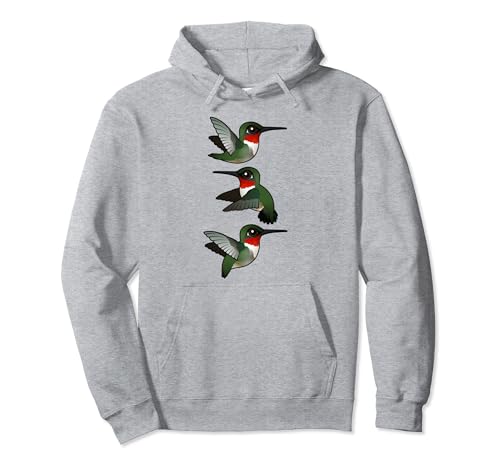
This week's feature t-shirt design is our Atlantic Puffin with a bill full of sardines ... how cute! This is great for anyone that loves these unique, beautiful and animated seabirds. See our other cute puffin gifts as well.
Birdorable Atlantic Puffin

Singled-out Stilts

The Black-winged Stilt is a striking wading bird known for its exceptionally long legs and contrasting black-and-white plumage. These birds belong to the genus Himantopus and are often seen in shallow waters, such as marshes, estuaries, and ponds. Their long, thin legs allow them to wade into deeper waters than many other shorebirds, making them highly adaptable in their search for food.

The Black-winged Stilt's diet primarily consists of small invertebrates, which they pick off the surface of the water or mud with their long, slender bills. Their elegant, slow, and deliberate movements make them a captivating sight for birdwatchers and nature enthusiasts.
A fascinating aspect of the Black-winged Stilt is its close relationship with other stilt species, particularly the Black-necked Stilt. Along with five other stilt species, they form a complex group within the genus Himantopus. This group includes the Black-necked Stilt, White-backed Stilt, White-headed Stilt, Pied Stilt, and the Common Stilt. The similarities among these species are so pronounced that scientists continue to debate their classification.

One key question in ornithology is whether these birds should be classified as separate species or subspecies of a single species, the Common Stilt. Some experts argue that the physical and behavioral differences between the species are significant enough to warrant separate classifications. Others believe that these differences are minor variations within a single, highly variable species. 

Despite these scientific uncertainties, the Black-winged Stilt and the Black-necked Stilt are treated as distinct species in many birding circles. For now, the Black-winged Stilt and the Black-necked Stilt will remain separated here at Birdorable.

Birdorable Black-winged Stilt and Black-necked Stilt

Today's highlighted t-shirt design features six of our Birdorable eastern Wood-Warblers. Have fun learning your warblers with this cute original design from Birdorable! They are: Common Yellowthroat, Yellow Warbler, Nashville Warbler, Prothonotary Warbler, Wilson's Warbler and Kirtland's Warbler, shown here on a Ladies Performance Micro-Fiber T-Shirt:

Birdorable Red-breasted Nuthatch

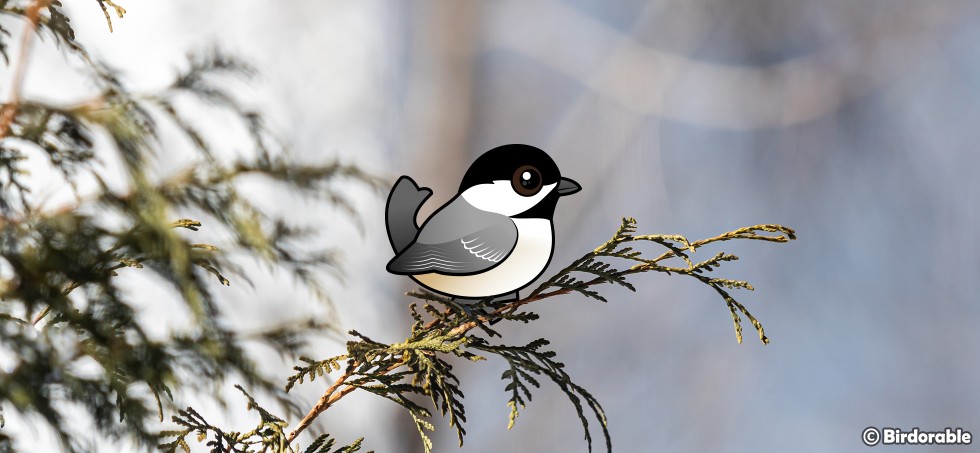
Earlier this year, we added the Red-breasted Nuthatch to Birdorable. Here in northern Illinois, we see these cute little tree-scooters in the winter months. Red-breasted Nuthatches are known for their ability to climb up and down and even zig-zag across tree trunks with no regard for which end is up. They scour trees for insects; they will also feed on conifer seeds and pay visits to backyard feeding stations, where they enjoy suet and nuts. During nest-building, males and females line the outside and inside of the nest cavity with sticky tree resin. It is thought the resin is used to keep out predators or pests. Be sure to check out our selection of cute Birdorable Red-breasted Nuthatch t-shirts & gifts!

Today's highlighted t-shirt design features one of North America's least-liked birds, the Brown-headed Cowbird. Cowbirds have an unusual breeding strategy, living as brood parasites. They lay their eggs in other bird nests and may use mafia-like tactics to keep their eggs safe and ensure the foster parents will care for their chicks. In this original spoof logo design from Birdorable, The Cowbird is depicted as the king of mobster bosses.

Birdorable Secretary Bird

For 18 days we've been adding a new Birdorable bird every day as part of our Birdorable Bonanza 2010. We saved a very special bird for the final bird of our bonanza. Today's bird is the Birdorable Secretary Bird! Secretary Birds are large birds of prey native to sub-Saharan Africa. They have atypically long legs for a bird of prey, standing a whopping four feet high. Their distinctive look also includes their long scraggly head crest, featherless red faces and extremely long tails. They are like big crested eagles standing on towering crane legs! Wow!

Secretary Birds - Masai Mara National Reserve
Secretary Birds by vanbikkel

Three boys in South Africa made the news last week in a wildlife rescue story involving a Secretary Bird. The boys were alerted that another group of youths was stoning a Secretary Bird on their block. The hero boys grabbed the bird by the feet (good idea - those talons are dangerous!) and body and brought it back home. Wildlife experts were called in to care for the rescued bird, which is expected to be released back into the wild after rehabilitation.

Birdorable Secretary Bird Kids Sweatshirt Birdorable Secretary Bird Travel Mug
Birdorable Secretary Bird
Kids Sweatshirt
Birdorable Secretary Bird
Travel Mug
Birdorable Anna's Hummingbird

For 18 days we're adding a new Birdorable bird every day as part of our Birdorable Bonanza 2010. The Bonanza will be wrapping up soon! Today's bird is the Anna's Hummingbird! Anna's Hummingbird is a small species of bird native to the west coast of the United States. The species was named after Anna Masséna, Duchess of Rivoli, by French naturalist René Primevère Lesson.

IMG_6382 Anna's Hummingbird
Anna's Hummingbird by loismanow
Birdorable Anna's Hummingbird Long Sleeve T-Shirt Birdorable Anna's Hummingbird Ringer Mug
Birdorable annas-hummingbird
Ladies Long Sleeve T-Shirt
Birdorable annas-hummingbird
Ringer Mug

Tomorrow's bird will be the 18th and last in the Birdorable Bonanza. Can you guess what it is?

Birdorable Bali Mynah

For 18 days we're adding a new Birdorable bird every day as part of our Birdorable Bonanza 2010. Today's bird is the beautiful Bali Mynah! The Bali Mynah is a stocky perching bird related to starlings. In fact, the species is also known as the Bali Starling. Bali Mynahs are almost completely white, with black at the tip of the tail and wings. They also have a long drooping crest and a bright blue patch of skin around the eye.

Bali Mynah
Bali Mynah by Mark McLaughlin
Birdorable Bali Mynah Kids Sweatshirt Birdorable Bali Mynah Basic Long Sleeve Raglan
Birdorable Bali Mynah
Kids Sweatshirt
Birdorable Bali Mynah
Basic Long Sleeve Raglan

Tomorrow's bird is a small North American bird with a red crown. Can you guess what it will be?