Our Bonanza rolls on with the addition of our second Birdorable albatross species. Today's Bonanza bird is the Wandering Albatross.

Birdorable Wandering Albatross

The Wandering Albatross is remarkable for the size of its wings. It has the largest wingspan of any living bird, averaging a span of 10 feet, 2 inches (just over 3 meters). Their amazing wings allow them to remain in flight, without flapping, for long periods of time.
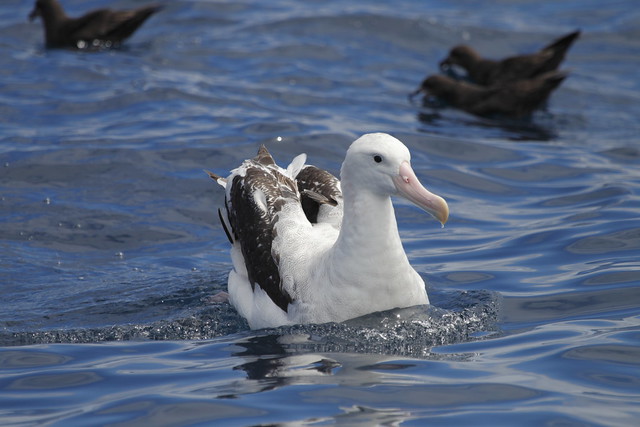
Wandering Albatross
Wandering Albatross by Ed Dunens

Many species of albatross are in jeopardy; 19 species out of 21 are threatened with extinction. The conservation status of the Wandering Albatross is Vulnerable. These majestic seabirds face dangers from ocean fishing operations, non-native predators, plastic pollution, and others. Conservation organizations are working to help save struggling albatross populations. Education and spreading awareness about threats are key factors in attempts to save endangered species.

wandering albatross

Tomorrow's bird is a species endemic to Bolivia. Check us out tomorrow to find out what it is!

bonanza-2013-preview-17

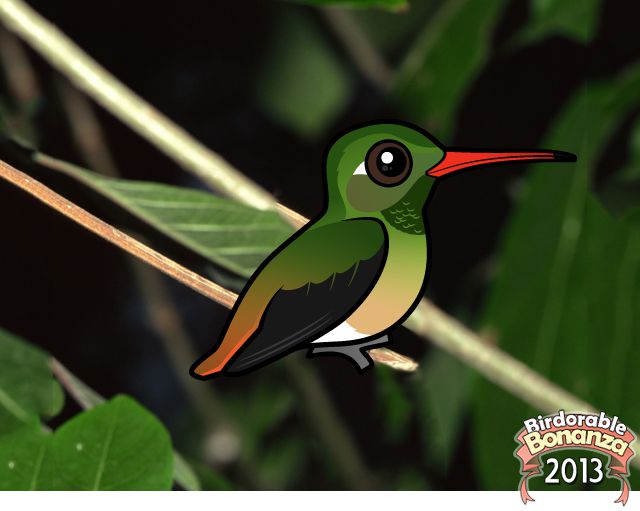
A little jewel joins Birdorable today! Today's Bonanza bird is the Buff-bellied Hummingbird, bringing our total number of hummers to five.

Birdorable Buff-bellied Hummingbird

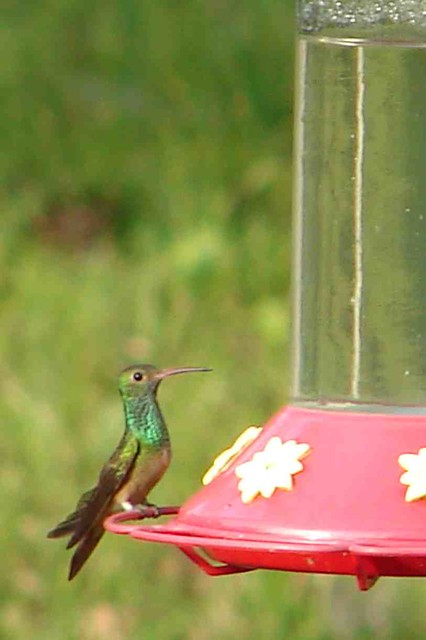
Buff-bellied Hummingbirds breed in eastern parts of Central America and the Yucatan Peninsula. Their northernmost breeding range extends into the Rio Grande Valley in Texas. While some birds are resident, there are also seasonal movements (dispersal) in parts of the population. Some birds fly NORTH for the winter! Their wintering range includes much of the Gulf Coast of the United States.

Buff-bellied Hummingbird
Buff-bellied Hummingbird by k. draper (CC BY-ND 2.0)

Like other hummingbirds, Buff-bellied Hummers feed on flower nectar. They will readily feed from hummingbird feeders filled with sugar water. Buff-bellieds also feed on very small insects caught on the wing.

buff-bellied hummingbird

Tomorrow's new bird has the longest wingspan of any living species!

bonanza-2013-preview-16

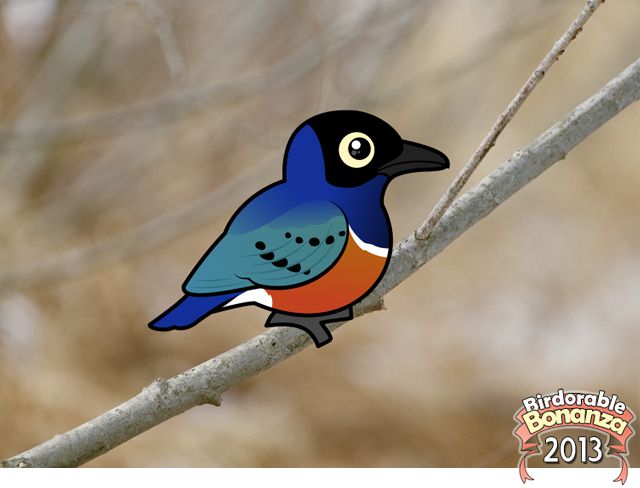
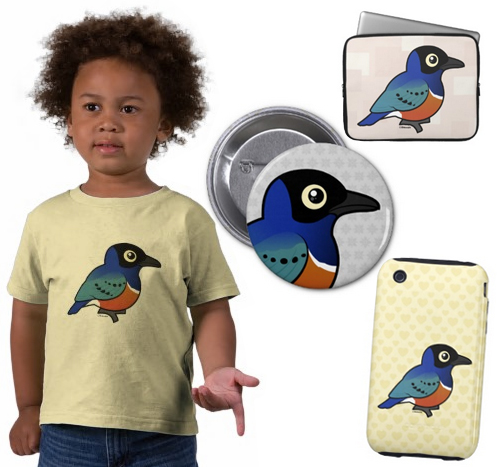
We're adding new birds each day until we reach our 500th Birdorable species! Today's Bonanza bird is the Superb Starling.
Birdorable Superb Starling

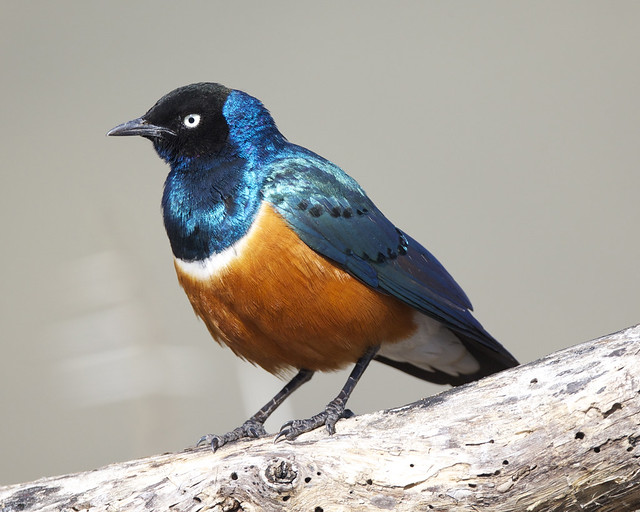
Superb Starlings have striking plumage. You might even call the combination of metallic blue and green with contrasting burnt orange superb!

Superb Starling (Lamprotornis superbus)
Superb Starling (Lamprotornis superbus) by Lip Kee (CC BY-SA 2.0)

Superb Starlings live in open or wooded habitats across parts of eastern Africa. They are ominvorous, eating a diet of insects, fruits, and berries. They often forage for food on the ground. These beautiful birds are cooperative breeders. Family groups band together to raise young. Some family groups may have multiple generations and several cousins, aunts, uncles, siblings, and others joining in to help raise young. The family life of the Superb Starling (and some other eastern African species) is remarkable; read more about them in this article from Cornell: The Uncommon Lifestyle of the Superb Starling.

Superb Starling

Tomorrow we'll add a tiny species to Birdorable. This little gem is a regular breeder in the United States, but not very well-studied.

bonanza-2013-preview-15

We're adding new birds each day until we reach our 500th Birdorable species! Today's Bonanza bird is Clark's Grebe.

Clark's Grebe

Clark's Grebe is a large species of grebe found in western North America. They breed along inland lakes; most of the population migrates to habitat along the Pacific Ocean for the winter.

Clark's Grebe (Aechmophorus clarkii)
Clark's Grebe (Aechmophorus clarkii) by Kevin Cole (CC BY 2.0)

This species can be distinguished from the Western Grebe by face color and bill color. The two are very similar in appearance and were considered to be the same species until the 1980s.

clarks grebe

Tomorrow's bird lives in Africa. It is very pretty. You might even call it Superb!

bonanza-2013-preview-14

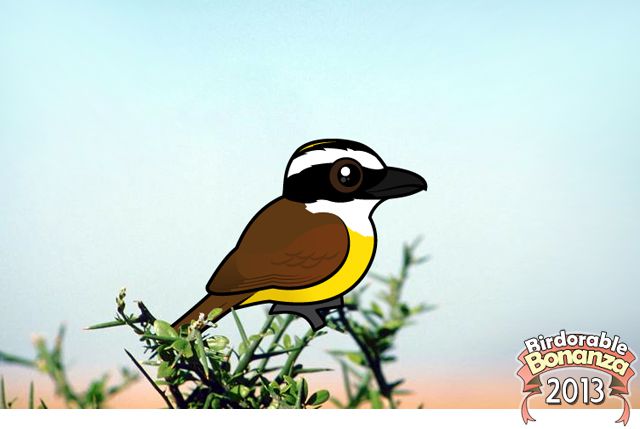
Today a beautiful flycatcher joins Birdorable! Today's Bonanza bird is the Great Kiskadee.

Birdorable Great Kiskadee

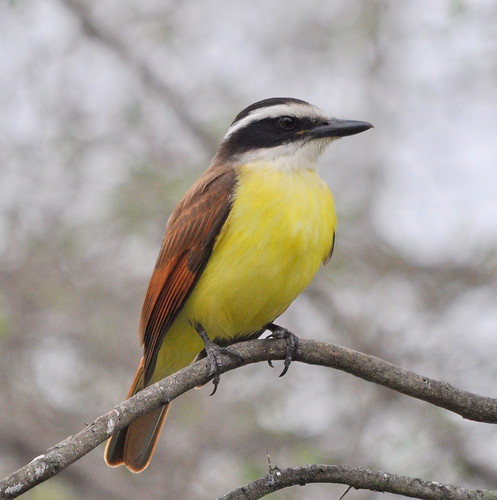
Great Kiskadees are large flycatchers - the largest of all in the tyrant flycatcher family. They are also colorful, a pleasing mix of warm brown, black, white, and yellow making up their plumage. They are noisy and boisterous omnivores, hunting prey ranging in size from small insects to small rodents. They also eat fruit and suet and visit feeding stations where these choices are offered.

Great Kiskadee
Great Kiskadee by Dawn Scranton (CC BY 2.0)

The Great Kiskadee is very common within its range, which includes much of South America. It can also be found in the southernmost tip of Texas, to the delight of many U.S. birders. They are certainly a target species for birdwatchers visiting hotspots in the Lower Rio Grande Valley.

great kiskadee
Tomorrow we will reveal a North American bird that was only recognized as a species in the 1980's.

bonanza-2013-preview-13

2013 Bonanza Bird #11

A Forest's Dweller: Getting to Know the Worm-eating Warbler

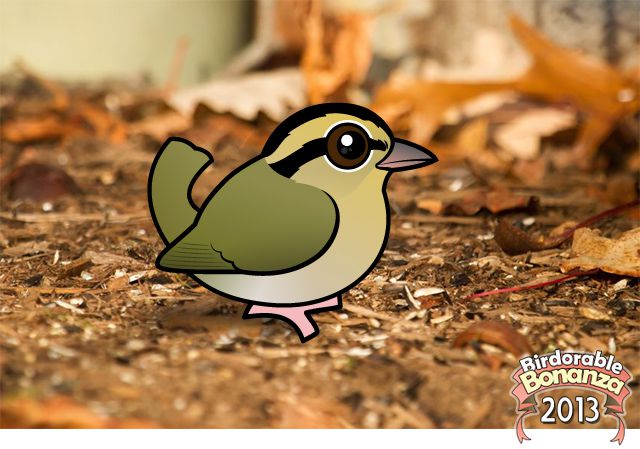
We've reached the eleventh day of our 2013 Birdorable Bonanza, and today we're thrilled to introduce a charming and somewhat elusive bird to our family. Today's featured Bonanza bird is the Worm-eating Warbler.

Birdorable Worm-eating Warbler

Despite their name, Worm-eating Warblers are not particularly known for feasting on worms. Instead, these birds have a different approach to foraging. They are often found lurking near the forest floor, skillfully searching for insects like spiders and caterpillars within the understory. Their foraging habits generally keep them away from the ground itself, meaning earthworms are rarely part of their diet, contrary to what their name might suggest.

One of the unique aspects of Worm-eating Warblers is their nesting behavior. These birds build their nests on the ground, carefully crafting them out of leaves and moss to create a safe and concealed space on the forest floor. This ground-level nesting is quite unusual among warblers.

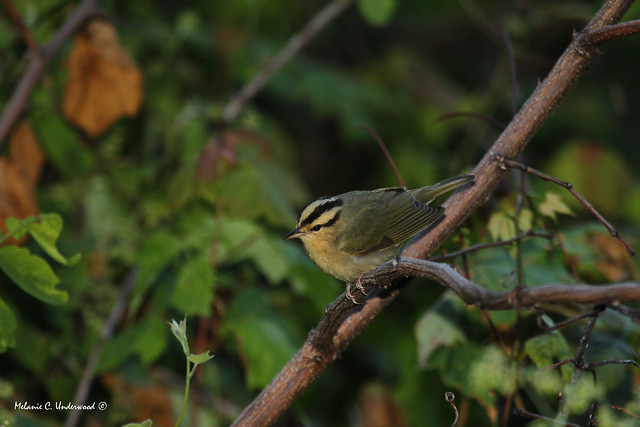
Worm eating warbler
Worm eating warbler by WarblerLady (CC BY-ND 2.0)

The plumage of the Worm-eating Warbler plays a critical role in their survival, especially during the incubation period. Their feathers are an elegant yet dull olive-brown, a coloration that provides excellent camouflage against the forest floor and helps protect them from predators. This subtle but effective plumage allows Worm-eating Warblers to blend seamlessly into their surroundings.

Tomorrow we'll add a colorful, conspicuous and boisterous species of flycatcher that is a target species for south Texas birders.

bonanza-2013-preview-9

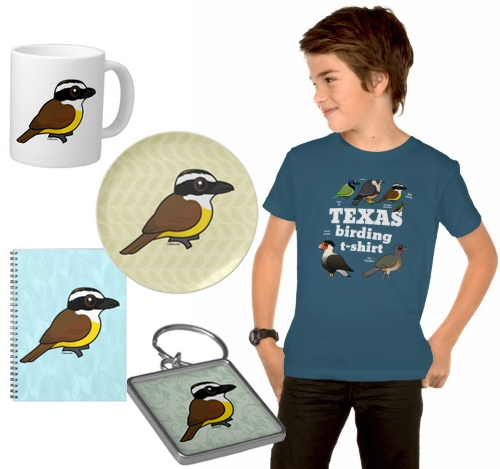
Cute Worm-eating Warbler Gifts

2013 Bonanza Bird #10

The Long-Crested Eagle: A Striking Bird from Sub-Saharan Africa

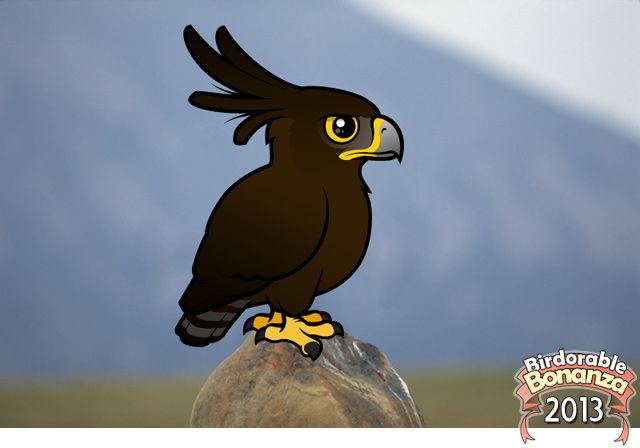
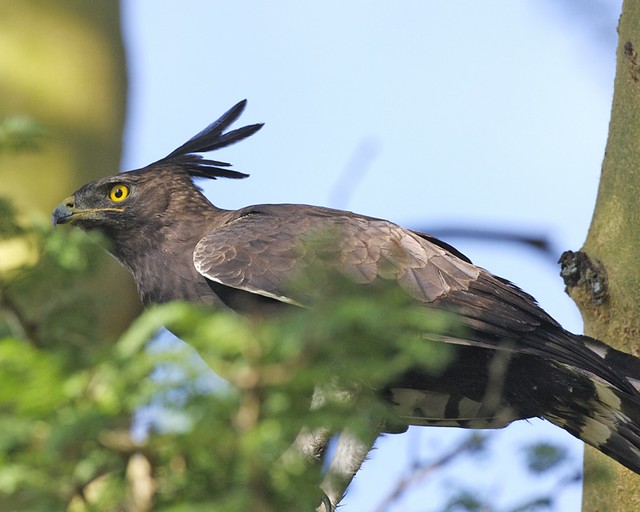
As we continue our exciting journey towards our 500th Birdorable species, we're delighted to introduce a new bird each day. Today, we're proud to feature the Long-crested Eagle, a majestic bird of prey that adds a touch of wild elegance to our growing collection.

The Long-crested Eagle is a striking bird found in various parts of sub-Saharan Africa. Its preferred habitats include forested areas and the edges of forests, where it can take advantage of both open spaces and wooded cover. These eagles have also adapted to living in cultivated lands, demonstrating their versatility and ability to coexist in modified landscapes.

One of the most notable characteristics of the Long-crested Eagle is its vocal nature. These birds are not shy about making their presence known. They are known to be very vocal, emitting calls both in flight and while perched. Their calls become even more frequent and intense during the breeding season, serving as a means of communication between mates and a way to establish and defend their territory.

Long-crested eagle (Lophaetus occipitalis)
Long-crested eagle (Lophaetus occipitalis) by Lip Kee (CC BY-SA 2.0)

The Long-crested Eagle is easily identifiable by its prominent crest, from which it gets its name. This crest, along with their striking plumage and formidable presence, makes them a fascinating species for bird enthusiasts and nature lovers.

Tomorrow's bird is a New World warbler named for what it eats, sort of.

bonanza-2013-preview-11

Cute Long-crested Eagle Gifts

2013 Bonanza Bird #9

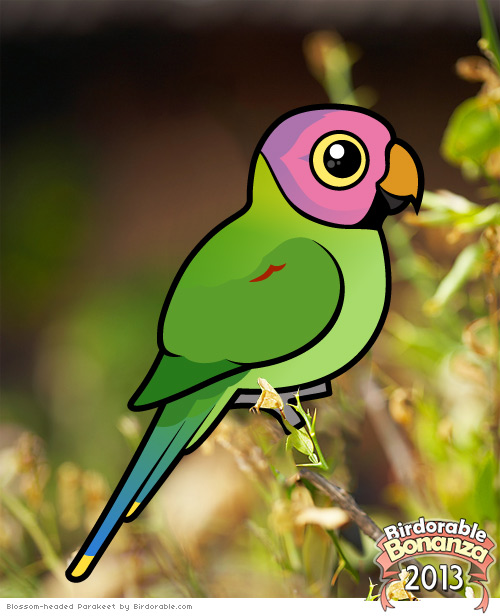
Introducing the Blossom-Headed Parakeet: A Parrot with a Floral Diet

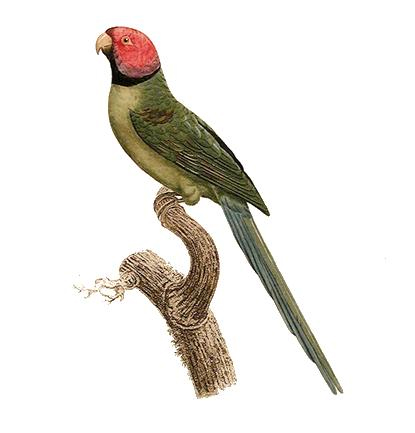
Our 2013 Birdorable Bonanza continues with the exciting addition of a new and enchanting parakeet species! Today, we are thrilled to introduce the Blossom-headed Parakeet to our diverse bird family.

Bonanza-2013-Blossom-headed-Parakeet

The Blossom-headed Parakeet, a stunning species of parrot, is native to India and certain regions of Southeast Asia. Known for their sociable nature, these birds thrive in forested habitats where they can be often found roosting and feeding in groups. They exhibit a strong sense of community, living and foraging together, and even nesting in tree cavities in a communal setting. This gregarious behavior adds to their charm and makes them a fascinating subject for bird enthusiasts.

One of the most intriguing aspects of the Blossom-headed Parakeet is its close relationship to the Plum-headed Parakeet, another similarly beautiful bird. However, the Blossom-headed Parakeet can be distinguished by its unique coloration. The males boast a striking pinkish head, while the females feature a more subdued blue-grey color on their heads. This distinct sexual dimorphism in plumage is a characteristic trait of these birds.

blossom-headed-parakeet
La Perruche à collier noir by François Levaillant (public domain)

Interestingly, their name reflects their diet as blossoms are an integral part of their feeding habits. These parakeets are indeed what they eat, often seen indulging in the blossoms that they favor, which not only nourishes them but also plays a role in the pollination of their habitat.

Tomorrow we'll add an African bird of prey. What do you think of this silhouette?

bonanza-2013-preview-10

2013 Bonanza Bird #8

Meet the Common Goldeneye: A Global Traveler of Sea and Sky

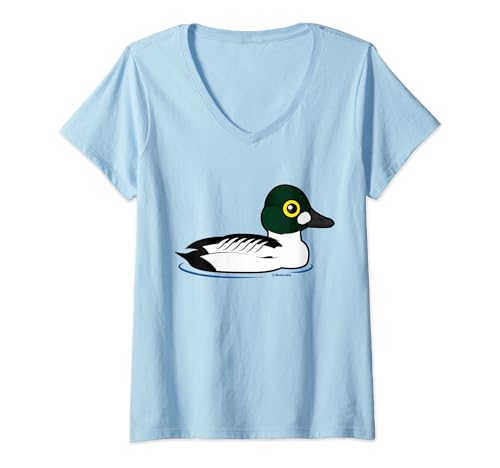
Our Bonanza hits the water today with our 477th species, the Common Goldeneye.

Birdorable Common Goldeneye

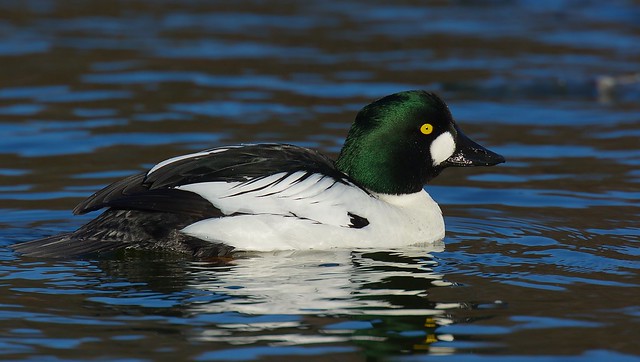
Common Goldeneyes are sea ducks with a broad global range. They breed across northern forests in Canada, Scandinavia, Russia, and China. They winter across much of North America and in parts of Europe and Asia south of their breeding range.

Knipa / Common Goldeneye
Common Goldeneye by Stefan Berndtsson (CC BY 2.0)

Common Goldeneyes nest in tree cavities. They will also use nest boxes. When it is time to fledge, the ducklings leave the cavity nest and fall to the ground. Sometimes duckling goldeneyes may be raised by unrelated adults. This can happen one of two ways. First, female goldeneyes may lay eggs in the nests of other goldeneyes. Another familial mix-up can occur when females with ducklings get into territory fights with other families. As the adult female ducks fight, the ducklings can get mixed up. Once the fight is over and each family swims away, ducklings may end up with a different brood.

Tomorrow we'll add a colorful species, named for the flower-like color of the male's head, found in India and Southeast Asia.

bonanza-2013-preview-12

Cute Common Goldeneye Gifts

2013 Bonanza Bird #7

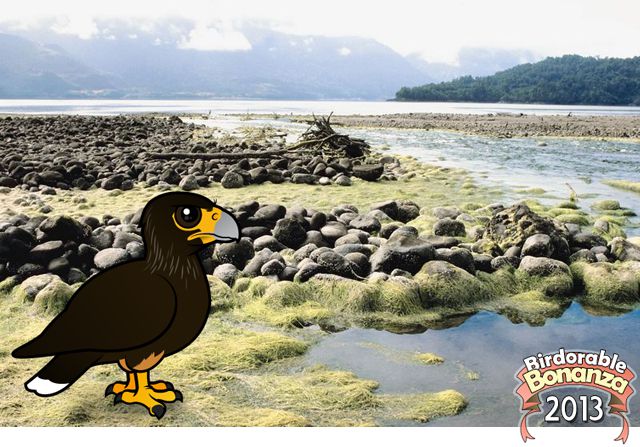
Introducing the Striated Caracara: A Raptor with Vulture-like Habits

We're adding one brand new bird species each day until we reach our 500th Birdorable at the end of July! Today's Bonanza bird is the Striated Caracara.

Birdorable Striated Caracara

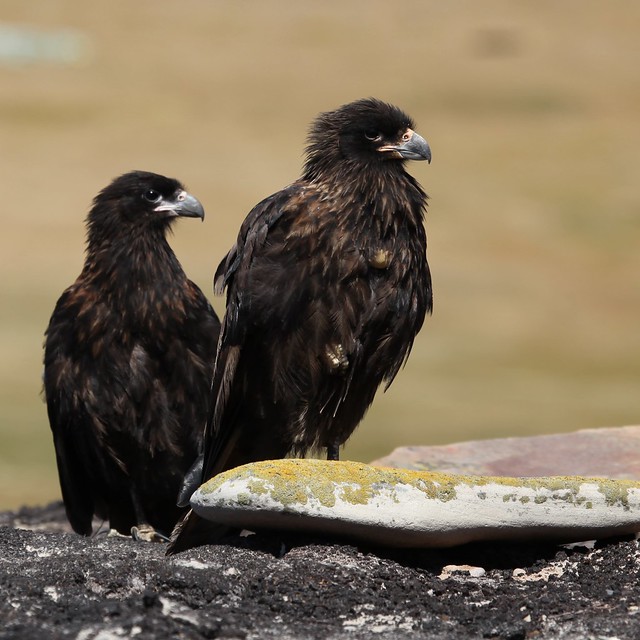
The Striated Caracara is remarkable because it has the southern-most breeding population of any bird of prey in the world. These dark raptors, also known as Johnny Rooks, breed on the Falkland Islands and in some spots in Tierra del Fuego.

Striated Caracaras on Saunders Island
Striated Caracaras on Saunders Island by Liam Quinn (CC BY-SA 2.0)

Striated Caracaras are in the same family as falcons, but in some ways they behave more like vultures. They are opportunistic feeders and will scavenge on carrion or refuse or hunt weakened or very young and vulnerable prey. They are highly intelligent and have a curious nature.

Tomorrow we'll add a diving duck named for its eye color but recognized more often by the shape of its white face patch.

bonanza-2013-preview-8

Cute Striated Caracara Gifts