Glossary of Vulture Terms

We're celebrating Vulture Week because this Saturday, September 5th, marks International Vulture Awareness Day (IVAD). This commemorative day has been celebrated since at least 2009 and aims to highlight the importance of vultures and vulture conservation through education.

In today's post we're sharing some keywords that pertain to vultures. This vulture glossary also includes definitions that apply to other bird families, but are important topics to understand when learning about vultures.

Carrion

If you're going to be talking about vultures, you are inevitably going to be talking about carrion, because that is what most vultures eat. Carrion is the decaying flesh of a dead animal. Other scavengers that consume carrion besides vultures include eagles, opossums, coyotes, and some beetles.
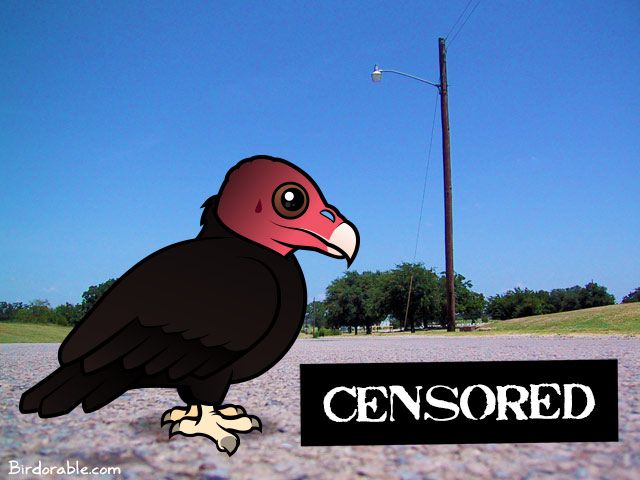
Turkey Vulture with road kill carrion

Convergent Evolution

Vultures in the New World (the Americas) are not closely related to Old World (Europe, Asia, and Africa) vultures. Since many vultures of both types have similar features like bald heads and scavenger behavior, how can it be that they are not closely related? The answer is convergent evolution. Broadly, this refers to organisms evolving similar traits while lacking a common ancestor. Birds, flying insects, and bats are not related, but they have all evolved the capacity to fly. Similarly, vultures in both the Old and New Worlds have evolved special traits to help them specialize in feeding on carrion. With few exceptions, no matter their location, vultures fill a similar niche in the ecosystem.

Crop

The crop is an expandable part of the digestive tract of birds and some other animals. The muscular pouch, close to the throat, is used to store food before digestion. The full crop of the Lappet-faced Vulture can hold up to 3.3 lb of meat!

Gorge

Vultures are known to gorge themselves at feeding sites. They will eat until their crop is completely full, and then sit full, digesting their food. It is thought that vultures sometimes gorge themselves to the point of being unable to fly.
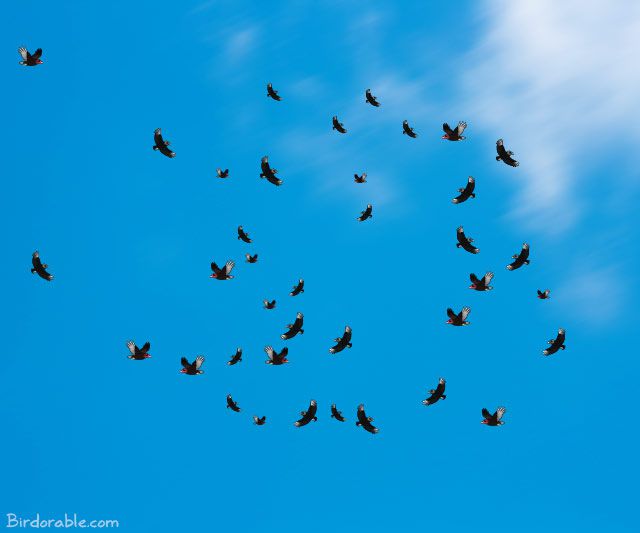
Vultures kettling in the sky

Kettle

A group of vultures in flight together, particulary soaring on thermals, is known as a kettle. Kettle may describe other birds flying in this way, including mixed flocks which may or may not have vultures.

Preening

Preening is the act of cleaning or grooming. Birds, including vultures, preen themselves to keep their feathers in top shape. Allopreening refers to social grooming between multiple individuals, often performed to strengthen social bonds. Black Vultures are known to take part in allopreening at roosting and feeding sites. Often allopreening concentrates on the head area, a spot that a bird cannot easily reach with its own beak.
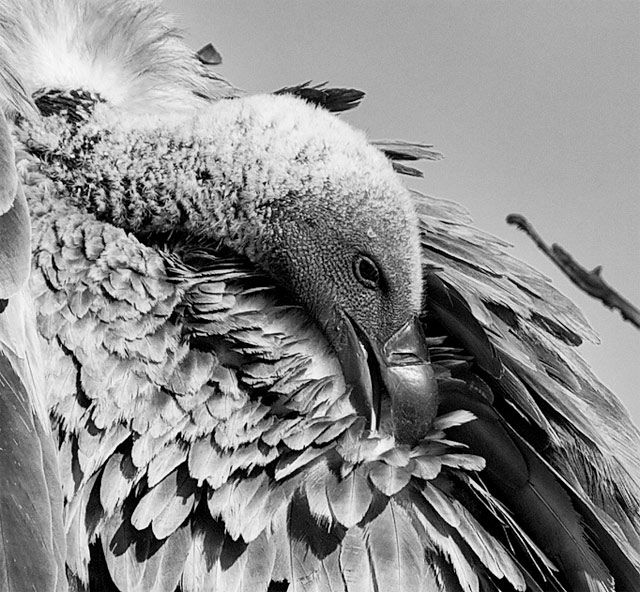
Vulture preening
White-backed Vulture Preening by Sascha Wenninger

Stomach Acid

Vultures have extremely corrosive stomach acid, which helps them to safely digest dead animals that may be infected with diseases and toxins. The stomach acid protects the birds from contracting and spreading disease. Gut bacteria in vultures helps them to withstand several kinds of toxins that may be found in decaying flesh.

Taxonomy

Taxonomy is a scientific system for naming and organizing living things which share certain characteristcs. The taxonomy of vultures can be confusing. New World and Old World vultures aren't closely related, despite their physical and behavioral similarities. Some scientists think that New World vultures are closely related to storks. With new advances in the study of DNA, sometimes single species are split into distinct species. The Long-billed Vulture was split into two distinct species: the Slender-billed Vulture and the Indian Vulture. The Yellow-headed Vulture was split into two species in the 1960s: the Lesser and Greater.
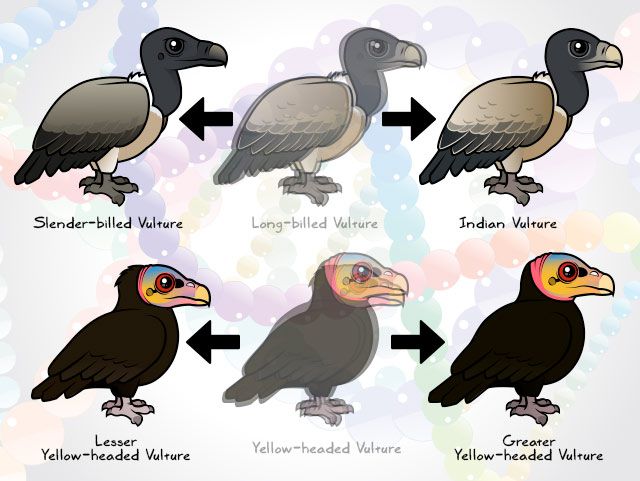
Split vulture species


The big day is almost here! Tomorrow our Vulture Week will conclude on International Vulture Awareness Day!

International Vulture Awareness Day with Birdorable Black Vulture

We're celebrating Vulture Week because this Saturday, September 5th, marks International Vulture Awareness Day (IVAD). This commemorative day has been celebrated since at least 2009 and aims to highlight the importance of vultures and vulture conservation through education.

Zoos, conservation organizations and other groups around the world will be celebrating vultures this weekend, marking International Vulture Awareness Day on September 5th. Here are just a few of the spots that will be having public events in honor of the day:

The Mountsberg Raptor Centre in Campbellville, Ontario will celebrate the day with special programs. The event will feature two resident Turkey Vultures named Casey and Buzz. Visitors may also find some Birdorable-related vulture fun and free activities during the Centre's event!

The Cheyenne Mountain Zoo in Colorado will celebrate IVAD with plenty of special events, including vulture feedings, a giant game of vulture-themed Jenga, vulture sock puppets, and much more!

The Friends of Blouberg Nature Reserve group in South Africa will have vulture lectures, a vulture-themed treasure hunt, and vulture breeding colony viewing.

The Avifauna Bird Park in the Netherlands will celebrate IVAD on both Saturday the 5th and Sunday the 6th. Watch vulture feedings and see a special bird show. There will also be activites for kids.

Lehigh Valley Zoo in Pennsylvania will honor vultures with events on IVAD, including vulture programs, keeper talks, and a resident Black Vulture.

The Edinburgh Zoo in the United Kingdom will celebrate IVAD with special vulture talks, a flight show featuring Turkey Vultures, and storytelling sessions.

The Birmingham Zoo in Alabama invites guests to celebrate International Vulture Awareness Day with them. Learn learn about vulture conservation and how important these birds are to our ecosystem. Events for the day include a scavenger hunt and special Keeper Chats.

The Raptors in Canada will celebrate IVAD on Saturday and Sunday. They will have flying demonstrations with vultures and specially themed vulture talks. Fundraising at the event will raise moneyfor the Peregrine Fund and a local rescue organization.

The AGFC Delta Rivers Nature Center in Arkansas will have a special vulture presentation, which will include a flying demonstration with their resident Black Vulture.

The Cascades Raptor Center in Oregon invites visitors to meet their resident Turkey Vultures on International Vulture Awareness Day. They will also have special activities for guests related to vultures.

These are just a few of the organizations that invite the public to visit and celebrate vultures. Find a complete list of participating groups here. Because the information here may be updated infrequently, be sure to contact any organzation prior to your visit to verify event timing and activities.

Join us all week long as we highlight the world's vulture species leading up to International Vulture Awareness Day on Saturday!

We're celebrating Vulture Week because this Saturday, September 5th, marks International Vulture Awareness Day (IVAD). This commemorative day has been celebrated since at least 2009 and aims to highlight the importance of vultures and vulture conservation through education.

Vulture week rolls on with some cool vulture facts. These extreme facts show how diverse this amazing family of birds can be.

Largest Vulture
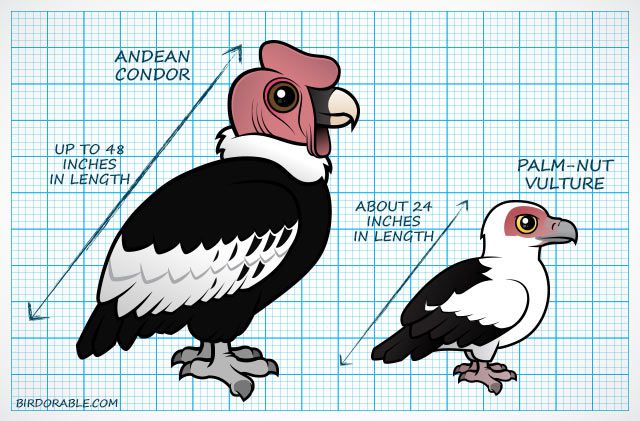
Among New World vultures, the Andean Condor and California Condor can both reach up to 48 inches in length, and weigh 26 pounds or more. In the Old World, the Cinereous Vulture reaches up to 47 inches in length. Female Cinereous Vultures may weigh up to 31 pounds!

Smallest Vulture
In the Old World, the Palm-nut Vulture has this record. They only grow to be about 24 inches long and weigh just around 3.5 pounds. The Lesser Yellow-headed Vulture is the smallest in the New World, reaching between 22 and 24 inches in length.

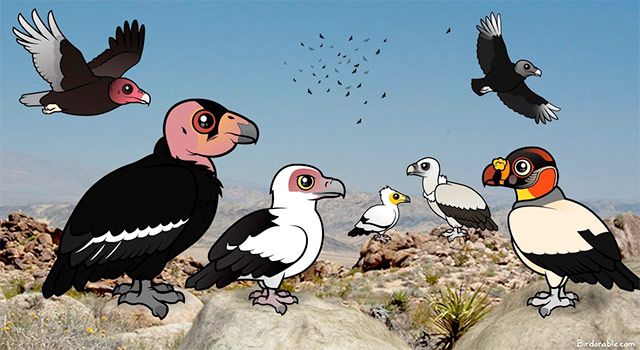
Compare sizes of Andean Condor vs. Palm-nut Vulture

Vulture Longevity Records
The longest lived Eurasian Griffon reached over 41 years of age in captivity. A captive-raised Lammergeier lived to be over 45 years old. The Andean Condor is believed to be capable of living 50 years or more in the wild. A captive Andean Condor that lived at a zoo in Connecticut lived 79 years! The longevity record for a wild Turkey Vulture is over 17 years, while a wild Black Vulture reached over 25 years of age.

Most Abundant Vulture
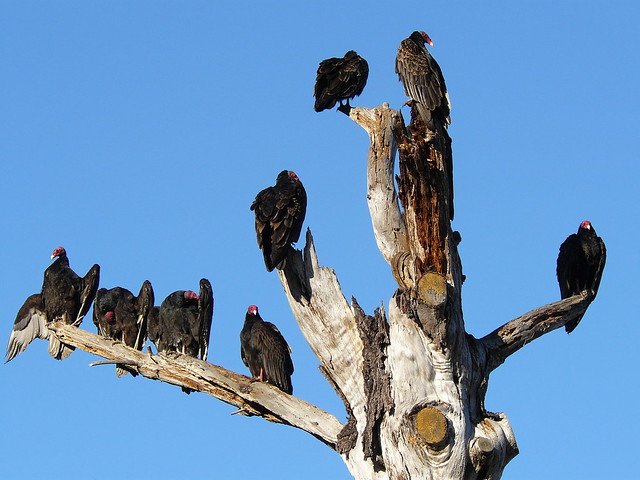
The Turkey Vulture is the most abundant species of vulture in the world, with a population that probably numbers into the millions of individuals.

Turkey Vultures (Cathartes aura) Preflight Warmup
Turkey Vultures by docentjoyce (CC BY 2.0)

Fastest Decline
Many vulture species in Africa and on the Indian subcontinent are in peril. The population decline of the White-rumped Vulture is an unfortunate example of this. In the mid 1980s, the White-rumped Vulture was considered to be the most abundant large bird of prey in the world. Since that time, the species has declined rapidly, losing up to 99.9% of its total population in just 20 years.

Longest Migration
Most vulture species are sedentary, year-round residents throughout their range. In the New World, the Turkey Vulture is the only vulture spcies that has regular seasonal migration. Birds that breed in southern Canada probably travel at least 1,000 miles to reach their wintering grounds to the south, traveling around 100 miles per day of migration. In the Old World, Egyptian Vultures may travel up to 5,500 miles when they migrate from their breeding grounds to their wintering grounds at the southern end of the Sahara Desert.

Ancient Birds
Relatives of vultures have existed for millions of years. Early ancestors of Old World vultures, in the now extinct Diatropornis family, existed in the Eocene epoch about 56 to 38 million years ago.

Highest Flyer
The Rueppell's Vulture of Africa is thought to be the world's highest flying bird. It has been recorded flying at an altitude of 11,300 meters or 37,000 feet above sea level!

Can't get enough of these amazing and important birds? Be sure to check out our great collection of cute and original vulture apparel and gifts.

Birdorable Vulture Gifts

T-Shirt Tuesday: Vulture Week Edition

We're celebrating Vulture Week because this Saturday, September 5th, marks International Vulture Awareness Day (IVAD). This commemorative day has been celebrated since at least 2009 and aims to highlight the importance of vultures and vulture conservation through education.

We're excited to offer several new apparel styles via our partner Zazzle. A new line of women's tank tops, more choices for babies and toddlers, and two all-over print styles are all brand new in our shop.

Showing off these new styles are a couple of new designs unveiled for Vulture Week.

Birdorable Vulture T-Shirts

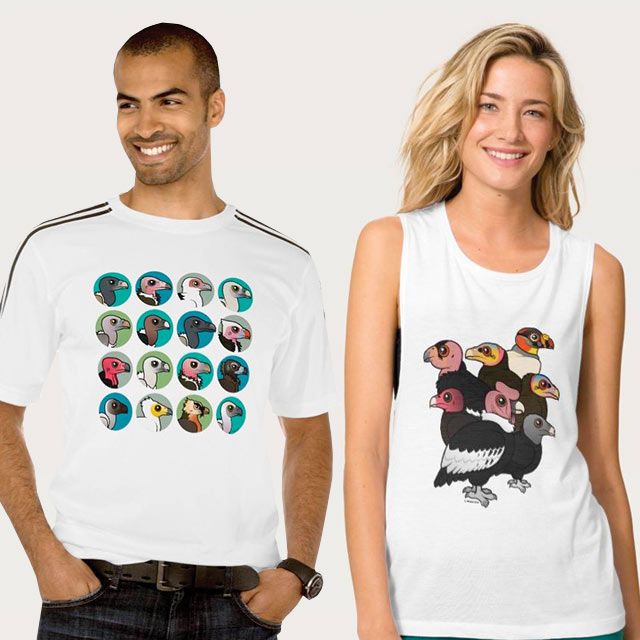
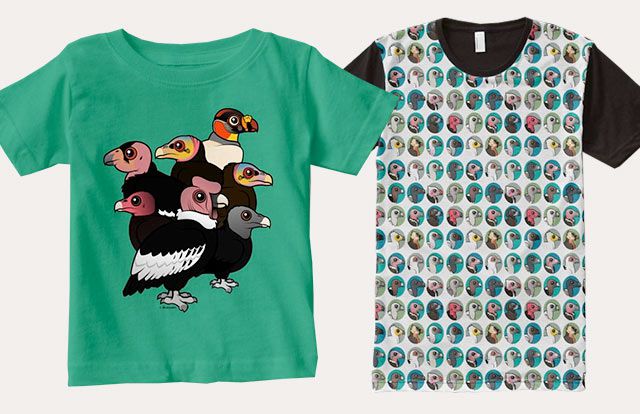
New World Vultures (more styles coming soon!) features the seven species of vulture native to the Americas. These birds are scavengers who play an important role in keeping our environment clean. The birds here include the Critically Endangered California Condor and the widespread Turkey Vulture. New World Vultures is shown above on a Women's Bella Flowy Muscle Tank Top and below on a Baby Fine Jersey T-Shirt.

Old World Vultures features the faces of all of the Old World vultures in colorful dots arranged in rows. Unfortunately many of these species face population threats. The vultures shown in the design include the unusual Palm-nut Vulture and the pretty white Egyptian Vulture. Old World Vultures is shown above on a Men's Adidas ClimaLite T-Shirt and below on a new All-Over Print T-Shirt.

Birdorable Vulture T-Shirts

Join us all week long as we highlight the world's vulture species leading up to International Vulture Awareness Day on Saturday!

We're celebrating Vulture Week because this Saturday, September 5th, marks International Vulture Awareness Day (IVAD). This commemorative day has been celebrated since at least 2009 and aims to highlight the importance of vultures and vulture conservation through education.

Today we'd like to share four brand new vulture-themed coloring pages with you! All of our coloring pages are free to download and are perfect for nature centers, zoos, and other environmental education locations and events surrounding International Vulture Awareness Day.

Four new vulture coloring pages by Birdorable
  1. Color our North American vultures in flight. The Turkey Vulture and Black Vulture are featured on the IVAD Coloring Page. This commemorative desgin can also be purchased on t-shirts and novelty items in our shop: International Vulture Awareness Day gifts.
     
  2. Our cute cartoon Andean Condor is featured along with big and bold letters, all ready to color on our Condor Coloring Page. This cute and colorful condor design is also availalbe for purchase on t-shirts and other gift items.
     
  3. Nature's Clean Up Crew was a new design in our shop for IVAD last year; this year it's featured as a coloring page too! Nature's Clean Up Crew Coloring Page.
     
  4. Brand new for this year is our New World Vultures Coloring Page. The seven New World vulture species are standing together in this new design which will be available on t-shirts and gifts later this Vulture Week.

Remember that we have all of the world's vultures on their own coloring pages, which you can find on our special Birdorable Vultures Page. In addition to all of the coloring pages, you can find vulture-themed activity pages for free downloading as well, including connect-the-dots images, a vulture maze to solve, a fun vulture memory game, and more.

And finally, don't forget about our popular Vultures of the World map. You can download the image or purchase the map on posters, t-shirts, and other items.

Join us all week long as we highlight the world's vulture species leading up to International Vulture Awareness Day on Saturday!

Vulture Week 2015!

It's that time of year once again -- time to celebrate the world's vulture species. The first Saturday in September marks International Vulture Awareness Day and to honor this event we are going to be talking about vultures on our blog all week long!

To start off the week, here are some vulture highlights from last year's Vulture Week celebrations.

  • And finally, we ended last year's Vulture Week with some vulture humor.

Join us this week as we highlight the world's vulture species, vulture biology and other fun vulture topics in the coming days! We're excited to gear up to celebrate another International Vulture Awareness Day!

Owls Have Amazing Eyes

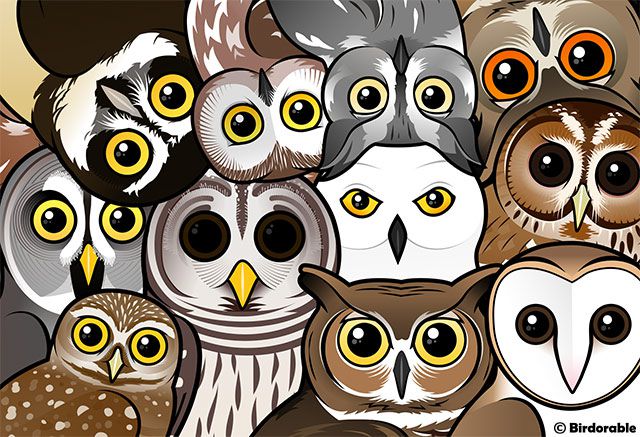
Birdorable Owls Portrait

Owl eyes are pretty amazing.

They don't really have eye "balls" like humans and other animals. Instead, owl eyes tend to be more tube-shaped. Their elongated eyes are held in place by bones in the skull. Owl eyes are also relatively enormous when compared with human eyes. If a Great Horned Owl were the same size as a human, its eyes would be as large as a pair of oranges. In some owl species, the weight of the eyes accounts for up to five percent of the total weight of the bird.

Because of the shape of an owl's eyes, the bird is unable to move the eyes inside their head. They have to turn their heads around in order to look around. An owl can turn its head about 270 degrees, or about 3/4 of the way around. There are some special adaptations in owl anatomy that allow them to turn their heads so far, including extra vertebrae in the neck, and different blood vessels that keep blood flowing between the head and body.

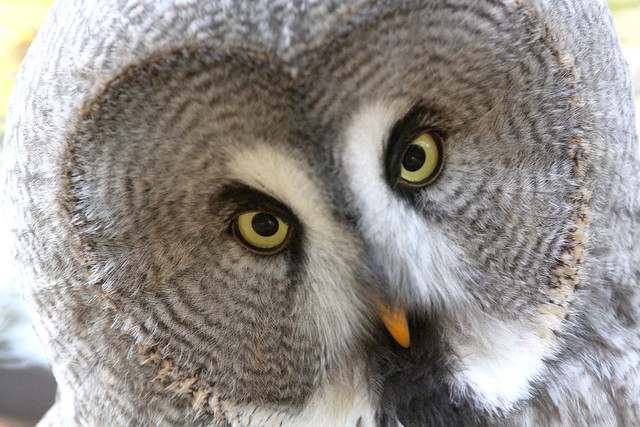
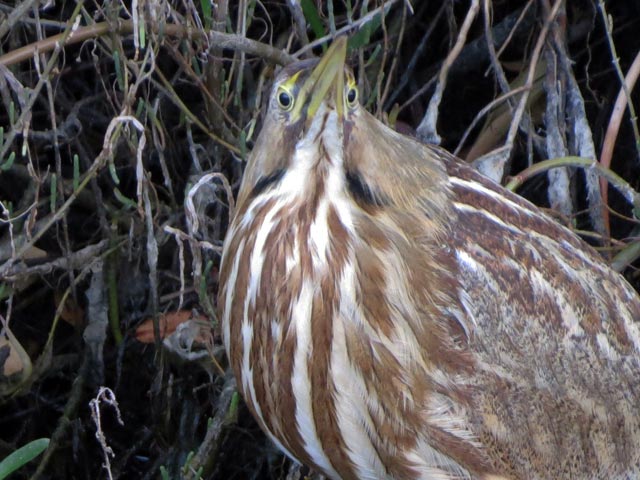
Unlike many other bird species, owls have forward-facing eyes. This makes them appear more human-like than other birds and may contribute to their general popularity among people. Compare the forward-facing eyes on the Great Grey Owl's face to that of the American Bittern below.

and you are sure about that ?

Great Grey Owl by Rolf B. [CC BY-SA 2.0]

American Bittern by Amy Evenstad for Birdorable

Many owl species are nocturnal, but owls can see perfectly fine in the daylight as well as at night. Because of their excellent night vision, their pupils don't retract as much as in humans. Closing their eyelids halfway or more helps keep the bright light from hurting their eyes. This also gives owls the appearance of being sleepy in daylight, when in fact they may be fully awake and alert.

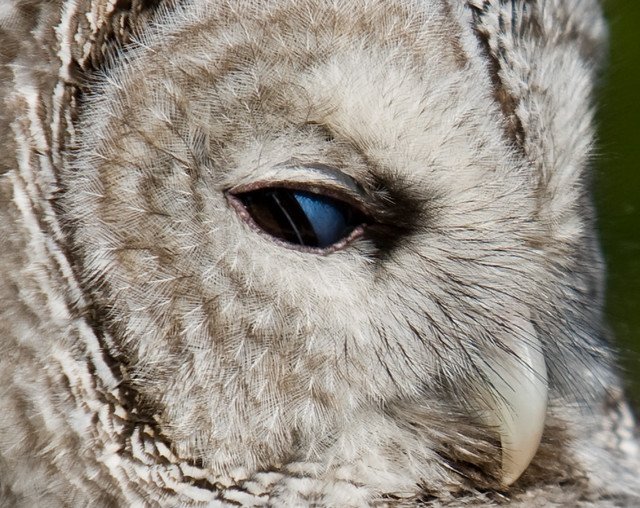
Owls have three sets of eyelids. Upper and lower eyelids close when the owl blinks or sleeps. A third, semi-transparent lid, called a nictitating membrane, closes diagonally across the eye. This thin layer of tissue is used to keep the eyes clean and to protect the eye while still allowing for some vision. You can see this membrane partially closed in the photo of a Barred Owl below.

Nictitating Membrane

Barred Owl with nictitating membrane visible by Philo Nordlund [CC BY 2.0]

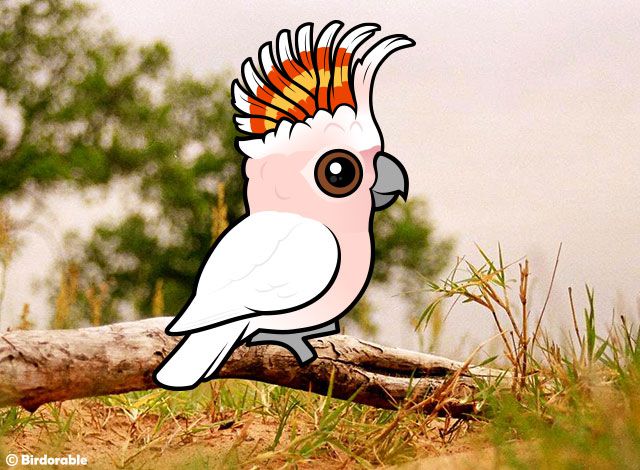
Birdorable Major Mitchell's Cockatoo

We've recently added the Pink Cockatoo to Birdorable as our 616th species and our 94th parrot species. This pretty bird is also commonly known as the Major Mitchell's Cockatoo.

Parrots are known for their longevity, and one particular famous Major Mitchell's Cockatoo recently celebrated his 82nd hatchday. Cookie is a handsome male bird who has lived at Chicago's Brookfield Zoo since the zoo opened in 1934.

Cookie was hatched on June 30, 1933, in his native Australia. The Guinness Book of Records recognizes Cookie as the oldest living parrot; the average lifespan for Major Mitchell's Cockatoos in captivity is 40-60 years. Cookie has smashed this record by a significant margin.

Here is video of Cookie's latest birthday celebration, which took place at Brookfield Zoo.

Discover the Colorful World of North America's Tanagers

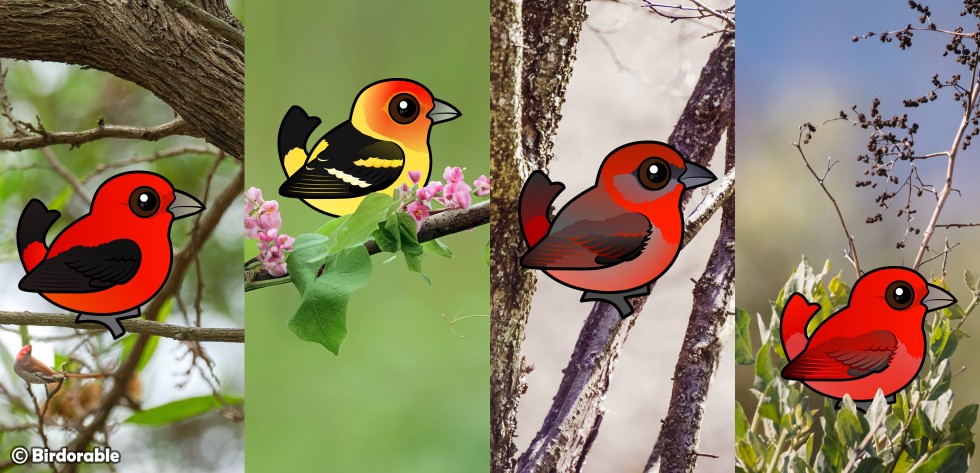
Four Birdorable Tanagers

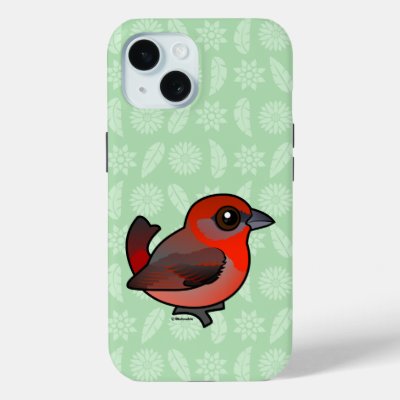
From left: Scarlet Tanager, Western Tanager, Hepatic Tanager, and Summer Tanager

The tanagers are a family of songbirds found across the Americas. These small birds tend to be colorful; often males are more brightly plumaged than females.

Tanagers in name only?

There are four species of tanager found in North America. These are the Western Tanager, Summer Tanager, Scarlet Tanager, and Hepatic Tanager. They are in the genus Piranga and are thought to be closely related to cardinals; they may not belong in the tanagers' Thraupidae family at all.

Colorful Across the Americas

In total there are over 200 species of tanager. Most are found in tropical habitats, and many species have relatively small native ranges. For example, the Green-headed Tanager is found along a narrow strip extending from southeast Brazil down into southeastern Paraguay and northeast Argentina.

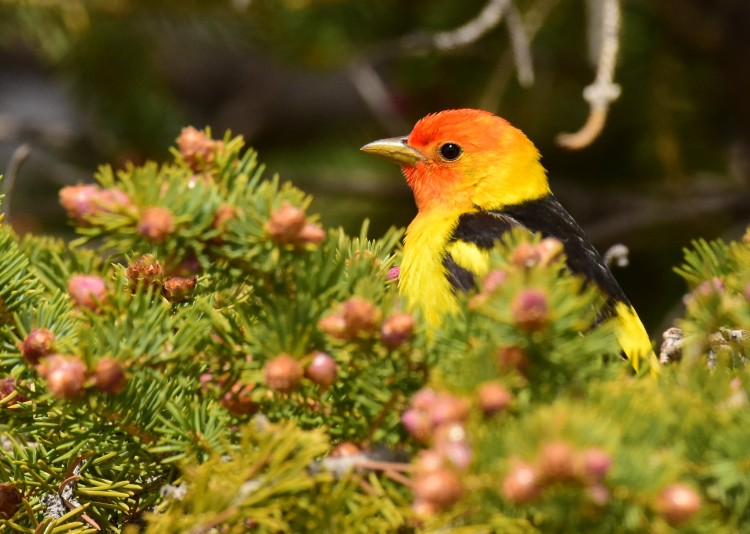
Photo of Western Tanager

Western Tanager at Seedskadee National Wildlife Refuge

Western is Most North

North America's Western Tanager is notable for being the northern-most ranging species of tanager. This migratory species breeds as far north as Canada's Northwest Territories. They spend the winters in Central America.

Hepatic: I'm Huge in South America

In the United States, the Hepatic Tanager is only found as a breeding bird in the southwestern mountains. However, the species has a very large native range and many birds are permanent residents across a large portion of South America.

Summer's Pretty Song

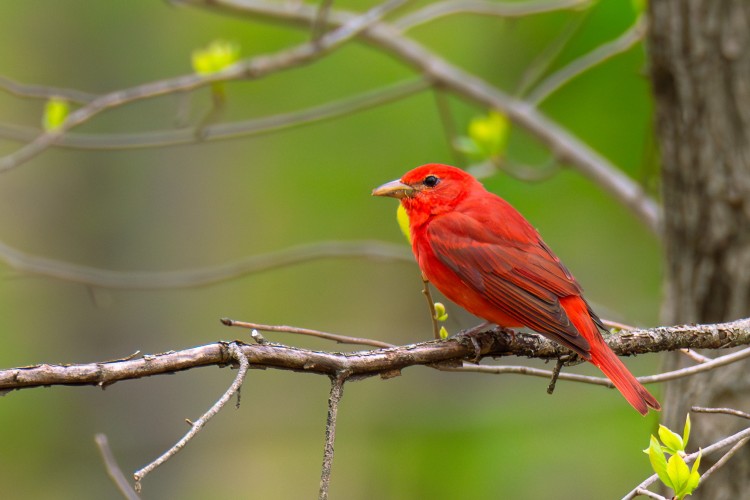
Most tanagers are not known for their pretty song, but the Summer Tanager is an exception. It sings a melodic tune that reminds many of the American Robin's song.

Photo of Summer Tanager

Summer Tanager at Wayne National Forest

Cowbird's Target

The Scarlet Tanager is particularly susceptible to brood parasitism from Brown-headed Cowbirds. Being forest nesters, they never developed a strategy against the rogue-nesting cowbirds. Segmented habitat (due to human developement) means tanagers more often nest near open habitats favored by cowbirds, rather than deep inside old-growth forests where cowbirds rarely occur.

Ripe Old Age

The longevity record for wild Western Tanagers is nearly seven years; for wild Summer Tanagers it is nearly eight years; and for wild Scarlet Tanagers the record is nearly twelve years. These records were collected via bird banding.

Cute Birdorable Tanager Gifts

This week's featured t-shirt is a brand-new baby product that was recently added to our store: this adorable Baby Football Bodysuit featuring our Birdorable Loggerhead Kingbird. This beautiful bird can be found on the Caribbean islands, including the Bahamas, Cayman Islands, Cuba and Puerto Rico, and sometimes in the United States. This is a great gift for future birders.

If you like this new bodysuit and would like to see one of our other designs on it, please don't hestitate to contact us and we will be happy to add it for you! Please also check out our baby gift guide and other Loggerhead Kingbird products.
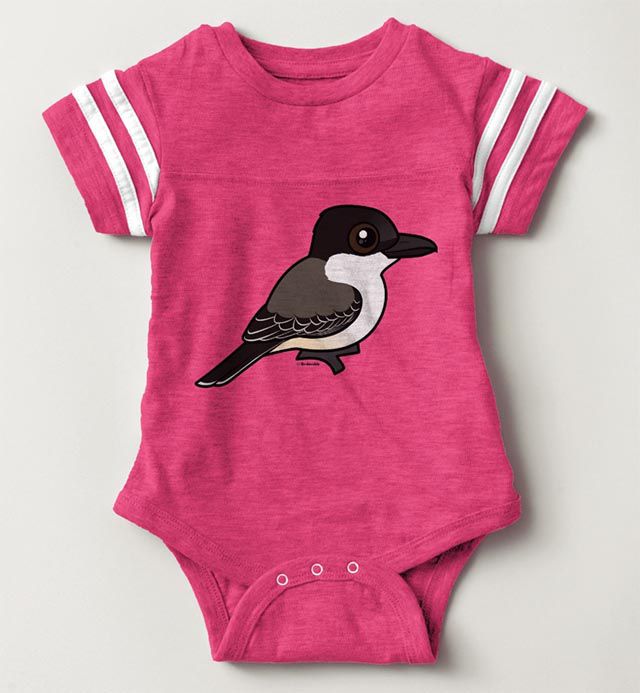
Loggerhead Kingbird Baby Football Bodysuit