Are you looking for a fun and easy things for guests to do at your nature center? Our cute Birdorable bird coloring pages can be the basis for a fun and free activity. We have over 100 different coloring pages available -- and they are all free to download.

We found some of our Eastern Screech Owl pages being put to good use during a recent visit to the Green Cay Nature Center in south Florida. Green Cay has a gorgeous little animal ambassador named Oliver. Oliver is unreleaseable due to injuries he sustained in a collision with a car. In addition to cute souvenir t-shirts bearing Oliver's image, the nature center was offering coloring pages featuring our cute Birdorable version of the Eastern Screech Owl. Here's a photo of Oliver on his perch, surrounded by completed coloring page masterpieces from visiting children.
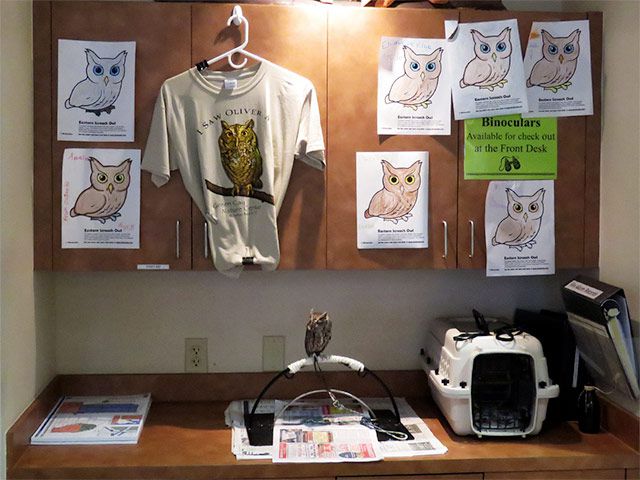
Eastern Screech Owl Coloring Pages at Green Cay Nature Center

Check out all of our coloring pages here: Free Birdorable Coloring Pages

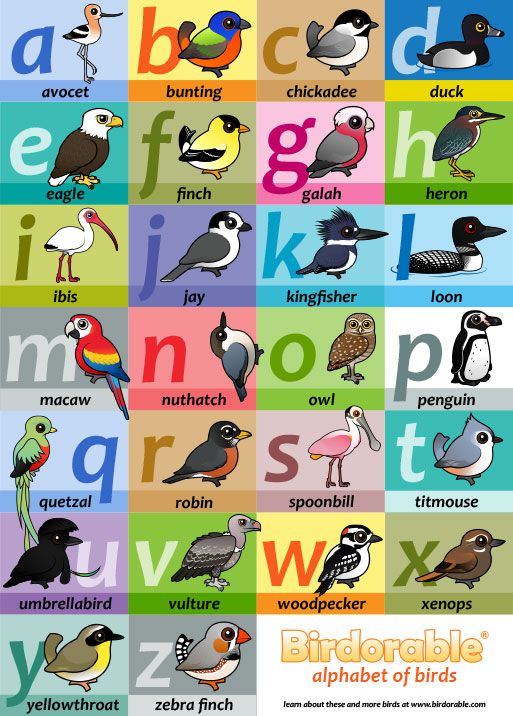
Check out this fun new product in the Educational part of our store. Our Birdorable Alphabet poster would be great in classrooms, children's bedrooms, home school rooms, nurseries, and play rooms.

You can buy this poster at Zazzle or at Fine Art America with many different print options.

Birdorable alphabet poster

Learn your ABCs with Birdorable! Each letter of the alphabet is represented by a cute cartoon Birdorable bird. A is for Avocet, D is for Duck, and P is for penguin. This colorful poster is fun to look at and a cute way for bird lovers to learn their ABCs!

The poster shown above is 20 inches by 28 inches. You can customize the size of the print to fit your needs. We've also got a fun selection of Birdorable Alphabet magnets; see below!

Birdorable Alphabet Magnets

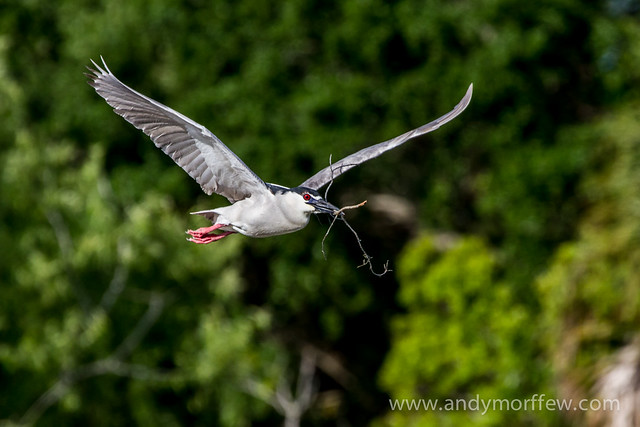
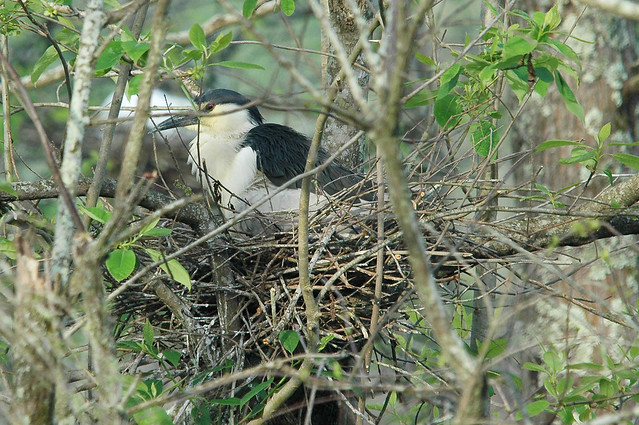
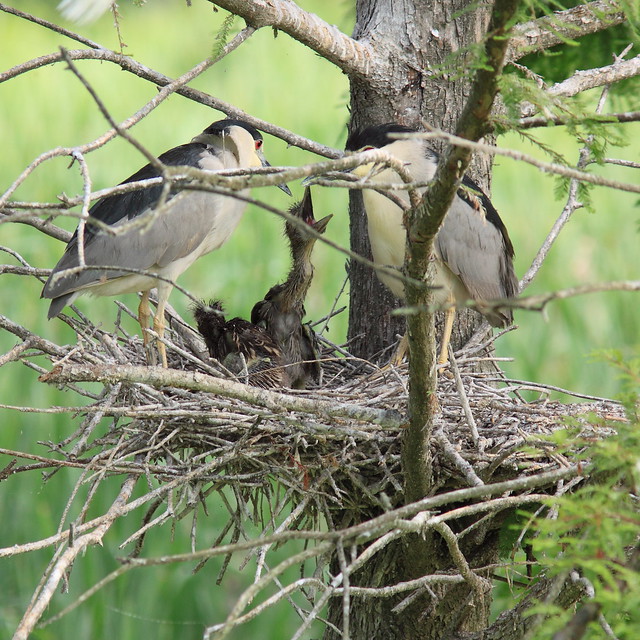
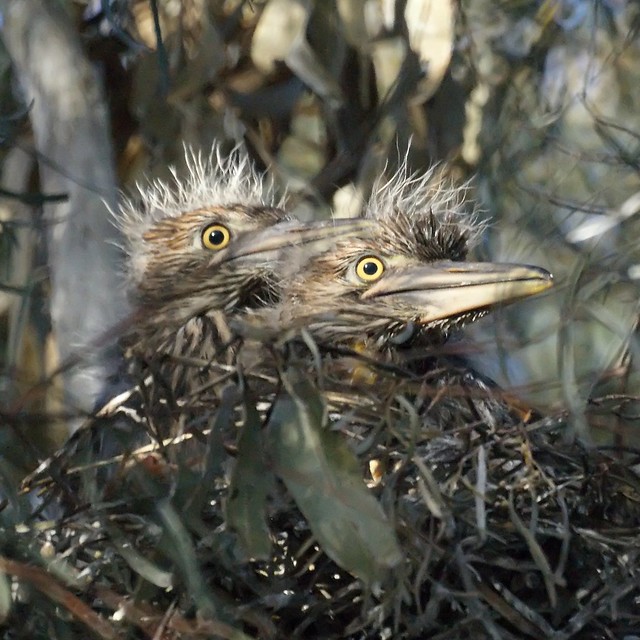
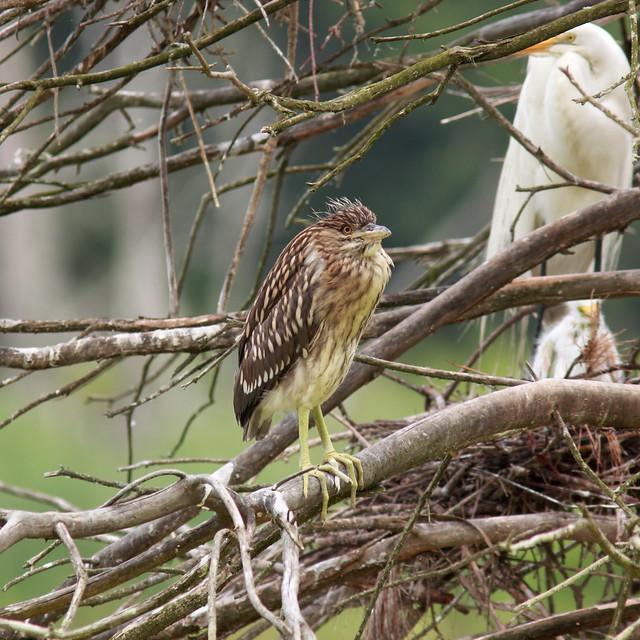
If you think our Birdorable birds are cute as adults, what about when they are babies? Below are some baby photos of the Black-crowned Night-Heron. Black-crowned Night-Herons are colonial nesters, building their nests in trees in close proximity to other herons, egrets, and ibises. Incubation takes about 25 days and the chicks leave the nest at about 30 days of age.

Black-crowned Night Heron

Photo by Andy Morffew (CC BY-ND 2.0)

Lake Martin-7636 Black crowned night heron

Photo by Michael McCarthy (CC BY-ND 2.0)

Black-crowned Night Herons feeding chicks

Photo by U.S. Fish and Wildlife Service (CC BY 2.0)

Black-crowned night heron nest

Photo by Wisconsin Department of Natural Resources (CC BY-ND 2.0)

Black-crowned Night Heron Chicks

Photo by Mike's Birds (CC BY-SA 2.0)

Stately Black-crowned Night Heron chick

Photo by U.S. Fish and Wildlife Service (CC BY 2.0)

Black-crowned Night Heron - Juvenile

Photo by Ingrid Taylar photography (CC BY 2.0)

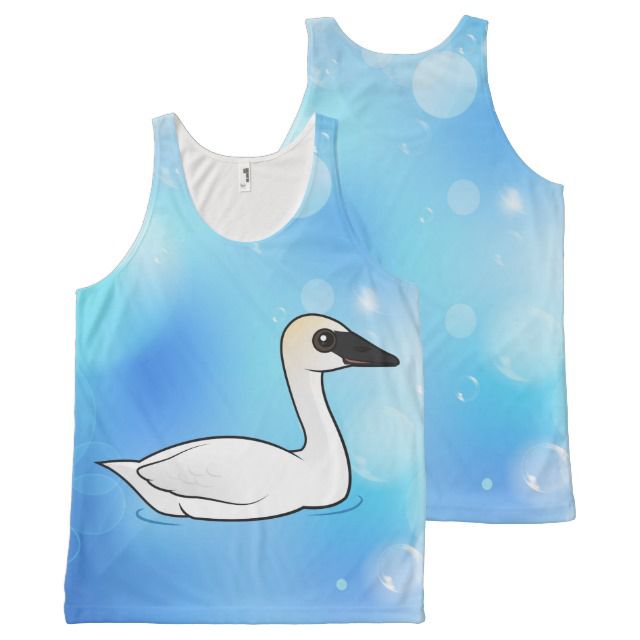
Recently our fulfillment partner Zazzle started offering All-Over Print t-shirts and we have since added some to our store. This week's featured t-shirt is our new Trumpeter Swan, which was recently added to our site, on an All-Over Printed Unisex Tank. The unisex tanktop fits both men and women and is printed on 100% spun polyster that looks and feels like cotton. The Trumpeter Swan is the largest species of waterfowl in the world. They live across northern parts of North America. Their all-white plumage and heavy black bill make them a striking animal. You can customize this tank top! Move the swan around, change the background color or style, add text or images. If you like this bird don't forget to check out our other Trumpeter Swan gifts.

Trumpeter Swan All-Over Printed Unisex Tank

More Trumpeter Swan T-Shirts

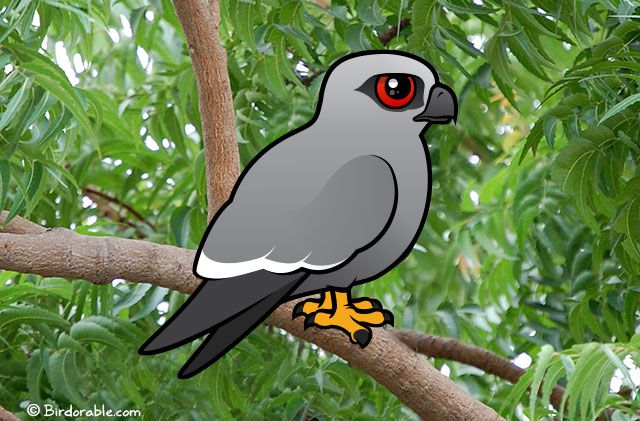
Birdorable Mississippi Kite

Here are some interesting facts about kites:

  • Kites belong in the Accipitridae* family of birds of prey. They are divided into two subfamilies. Elaninae kites are sometimes considered to be "hovering kites" and are generally smaller in size. Milvinae kites may be known as "soaring kites" and tend to be larger birds.
  • There are approximately 22 recognized species of kite in the world. Eight belong to the Elaninae subfamily, while 14 are Milvinae kites.
  • There are four species of kite found in North America: Swallow-tailed Kite; White-tailed Kite; Snail Kite; and Mississippi Kite.

Mississippi Kite #1 6-10-15
Mississippi Kite by Larry Smith [CC BY 2.0]

  • Not all kites are called "kites". The Bat Hawk of Africa and Asia is an Elaninae kite with a falcon-like profile and a preference for dining on bats. The Black-breasted Buzzard of Australia is an eagle-like bird that is sometimes considered to belong in a different family or subfamily altogether.
  • Three different raptors in the subfamily Perninae are called kites, though they are not closely related to the other kites. They are the Grey-headed Kite, White-collared Kite, and Hook-billed Kite.
  • Some kites are migratory, while others are year-round residents throughout their range. The Mississippi Kite, for example, breeds across the southeastern United States and winters as far south as Argentina, while the Snail Kite is a permanent resident across its range.
  • Kites are found on all continents except for Antarctica.
  • Black Kites are found on four continents: Africa, Asia, Australia, and Europe. They are common throughout their range and may be the most abundant species of raptor in the world.
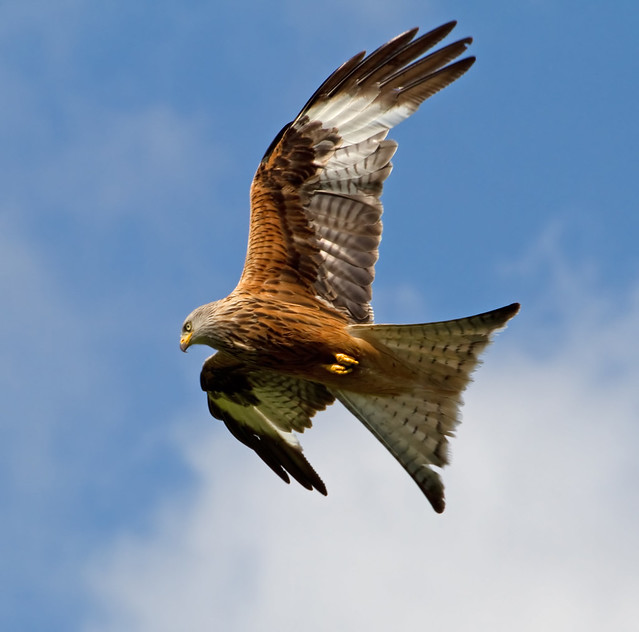
  • Most kite species lack global population concern, though some species have local issues (like the Snail Kite in Florida). The Letter-winged Kite of Australia and the Red Kite of Europe and Africa both have a conservation status of Near Threatened.

Red Kite 43
Red Kite by Tony Hisgett [CC BY 2.0]

* Note that different taxonomical classifications may organize these and other birds in another way. As scientists learn more about birds and DNA, changes are noted and accepted and eventually integrated or rejected by various naming organizations and protocols.
Birdorable Kite Apparel and Gifts

Green Heron Facts

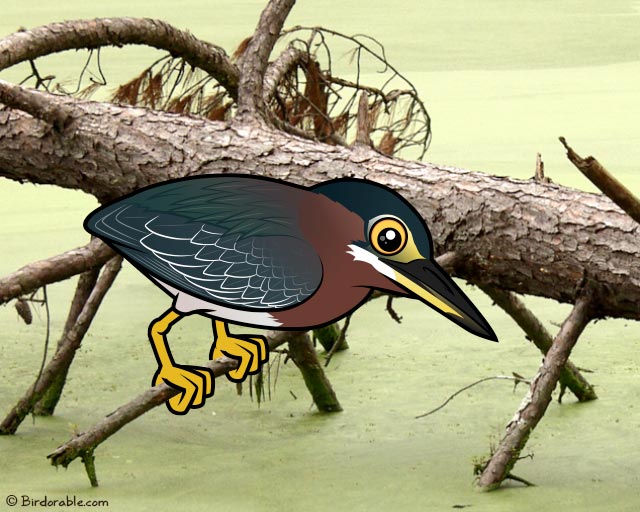
Birdorable Green Heron hunting

Here are some interesting facts about the Green Heron, one of our newest Birdorable birds!

The Green Heron has had some interesting colloquial names, including Fly-up-the-creek, Poke, Chalkline, Indian Hen, and Chucklehead.

Some Green Herons migrate, and some don't. Green Herons are year-round residents in most of the southern coastal parts of their range. Other birds migrate from their nesting grounds in the north a short distance south for the winter. They are considered to be mid-distance migrants.

Green Herons are one of the few bird species known to use tools. They will bait for fish using things like bread, leaves, or feathers to try to lure in fish. This video shows a Green Heron using an insect as bait:


There are several collective nouns used for herons. You might see a hedge of herons, a sedge of herons, or a siege of herons.

The Green Heron was chosen to be the official Bird of the Year 2015 by the American Birding Association.

The oldest wild Green Heron on record lived to the age of 7 years and 11 months. This was discovered via data collected from bird banding.

The Green Heron used to be considered the same species as the Striated Heron and the Galapagos or Lava Heron. The species was then known as the Green-backed Heron. Some taxonomies still treat them as subspecies.

Green Herons may nest away from other herons, alone, or in a small group, or in a larger colony. Many heron species are colonial nesters but the Green Heron or may not nest this way, depending on availablity and defendability of feeding territory.

Green Herons have a shaggy crest that can be raised at will by the bird.

Green Heron (Juvenile)Green Heron by Andy Morffew [CC BY-ND 2.0]

The Green Heron was added to Birdorable on June 22, 2015, and joined us as our 610th species.

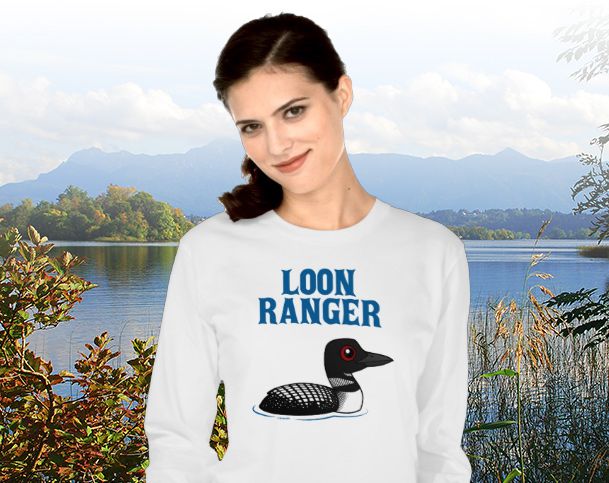
This new t-shirt design is great for those who live up north and love to observe Common Loons or anyone who conducts loon surveys or runs annual looney birding trips. This cute cartoon design features our Birdorable Common Loon with the funny spoof text "LOON RANGER". The design is shown here on a women's American Apparel t-shirt and is available on many different t-shirt styles and colors. Check out our other Loon Ranger products to find the perfect gift for the loon (lover) in your family.

Birdorable Loon Ranger T-Shirt

More t-shirt styles with this design

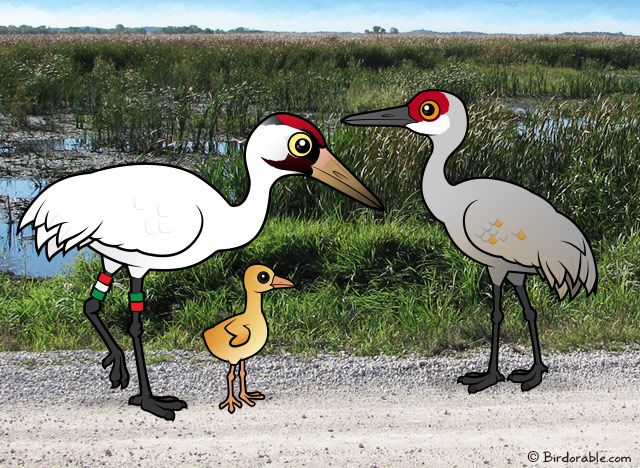
Crane fans in Wisconsin are talking about a unique chick being raised by a mixed pair of cranes in Horicon National Wildlife Refuge. The chick appears to be the offspring of a male Whooping Crane (identified as DAR 16-11) and a female Sandhill Crane.

The chick, who has earned the nickname "Whoopsie" from crane fans, may be the first of its kind. It is certainly the first documented offspring from a mixed Whooping-Sandhill pairing in the Eastern Migratory Population of Whooping Cranes.

In the 1940s there were just 21 Whooping Cranes left. Since then, groups have been working to save the species and bolster the various flock populations. As of 2011, there were almost 600 birds, including both wild and captive birds.

Whooping Crane DAR 16-11, given the nickname "Grasshopper", was hatched on June 15, 2011. He was costume-reared by International Crane Foundation handlers. At about five months of age, he and his 2011 DAR (Direct Autumn Release) cohorts were released at the Horicon National Wildlife Refuge in the presence of wild Whooping Cranes. The wild birds show the DAR birds the migration route from their northern breeding grounds to their winter home in Florida.

Whoopsie the Whooping Crane and Sandhill Crane hybrid chick

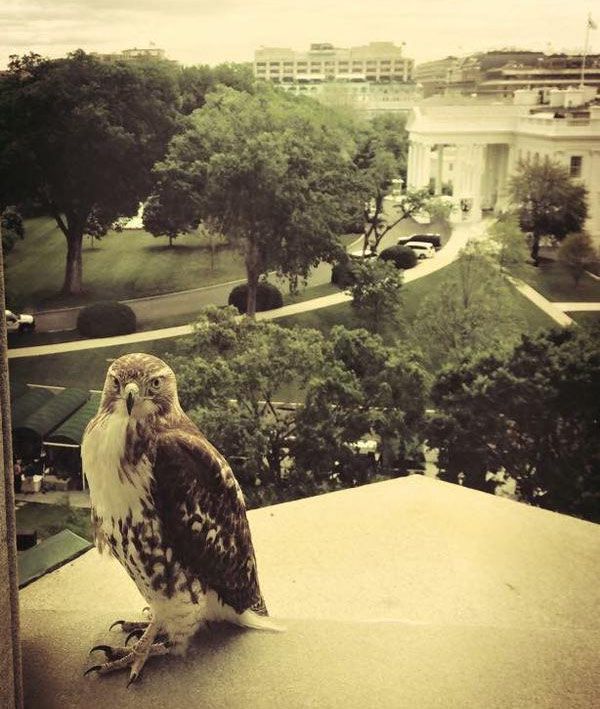
Earlier this week, the White House reported the sighting of a new guest on their famous grounds -- a juvenile Red-tailed Hawk.

Red-tailed Hawks are abundant across the United States, and have adapted well to developed areas. Pale Male, New York City's famous hawk, is an example of the large raptor thriving in an urban environment (he and his mate have three young that are about to fledge from their famous nest).

The appearance of a predator on the White House grounds is a good sign for visiting birders, but not so good for any resident rodents living on the property. Red-tailed Hawks prey upon mice, rats, voles, rabbits, and other mammals, as well as other birds, reptiles, and amphibians. This raptor might just earn a spot as a groundskeeper 1600 Pennsylvania Avenue.

Fun Fact: Did you know that the Red-tailed Hawk makes a raspy call that is almost always used in popular media as the voice of our national bird, the Bald Eagle? How appropriate would it be to hear the majestic cry of the Red-tailed Hawk while visiting the White House?


Photo by DJ Patil

The Saker Falcon — a Falconer's Bird in Peril

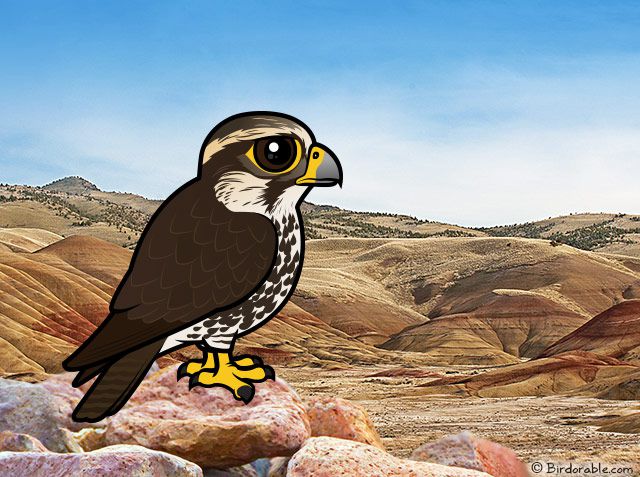
Birdorable Saker Falcon

The Saker Falcon is one of our newest additions to Birdorable. The falcon, which is almost as large as the Gyrfalcon, breeds across parts of eastern Europe and much of central Asia. They prefer open plains and desert-type habitats and hunt by horizontal pursuit unlike the Peregrine Falcon that hovers and stoops down from great heights.

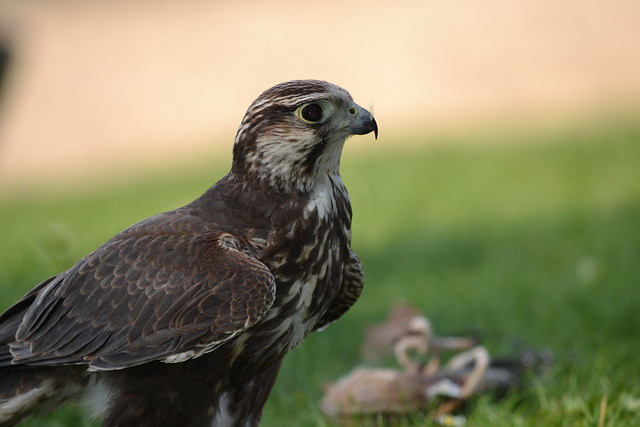
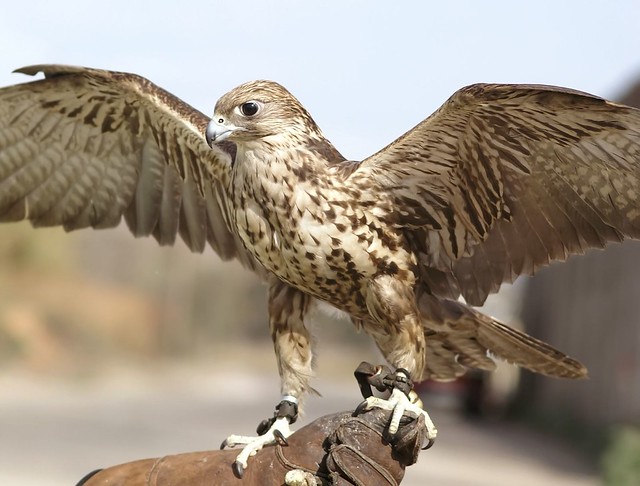
Saker Falcons are beautiful birds, with brown upperparts and contrasting grey flight feathers. The head and underparts are paler brown, with streaking from the breast down. The birds are excellent hunters and often take on prey that is larger than itself. Because they are so swift and powerful they are a popular falconry bird and have been used by humans in hunting for thousands of years.

In the Arabian Peninsula falconry is an integral part of desert life and Saker Falcons are the favorite bird of many Arab falconers. The birds are trapped in Arab countries on their migration to the Middle East or caught throughout Asia and sold to the Middle Eastern falcon market. Unfortunately this is one of the reasons the bird has been put on the endangered species list. Thousands of falcons are caught every year and sold illegally on the black market. In addition the species is facing pressure from habitat loss and destruction.

In contrast, the bird is strongly protected in Hungary, where it is the national bird. Even though Saker Falcons are relatively abundant in Hungary, numbers are still low; the estimated total European population  in 2010 was just 450 pairs, with 40% of these in Hungary and Slovakia. The Middle East Falcon Research Group has a nice table with estimated breeding populations in each country.

Check out these websites for more information about the Saker Falcon:

Sakervalk
Sakervalk by Tim Strater
ginebra, halcón sacre 02 - Saker falcon - Falco cherrug
Halcón Sacre by Ferran Pestaña

Saker Falcon Gifts by Birdorable