A Birdorable Cockatiel face is repeated in a four-square pattern on this women's American Apparel T-Shirt. The cartoon cockatiels are rotated through the design - mimicking the acrobatic stylings of this charismatic species! This original graphic tee makes a great gift for anyone that loves Cockatiels! Check out our other products with this design and fine more designs with our Birdorable Cockatiel.

Birdorable Four Color Cockatiel Women's T-Shirt

You can customize this design on many different t-shirt styles and colors. Here are some examples:

Four Color Cockatiel Graphic Tees

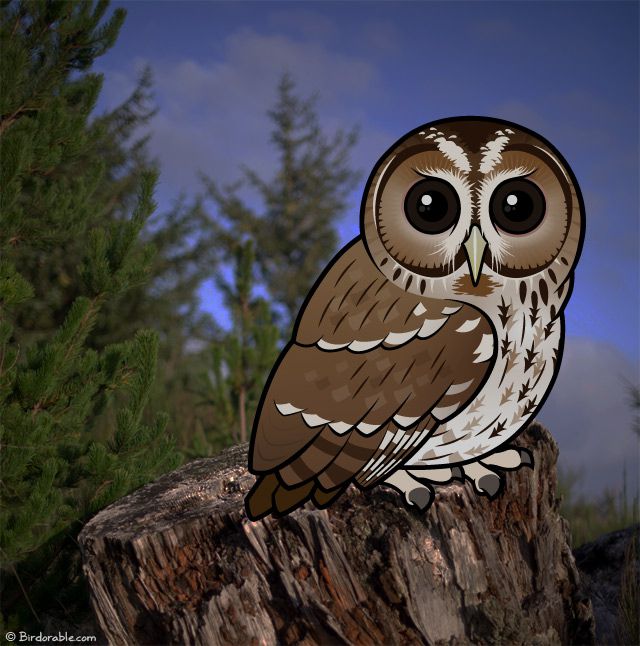
Today we've added our 600th Birdorable bird: the Tawny Owl!

Cartoon Birdorable Tawny Owl

The Tawny Owl is the most widespread species of owl across Europe. Tawny Owls are also found in western parts of Asia and northern Africa.

Tawny Owls are recognized by their tawny brown striped body plumage, large round heads which lack ear-tufts, and oversized brown eyes.

The Tawny Owl is primarily nocturnal, hunting prey items like small mammals and large insects. They prefer wooded habitat. They have adapted well to human development and will also inhabit parks and gardens.

The Tawny Owl joins Birdorable today as our 600th species! With the Tawny Owl, we now have 127 species found in Europe and 12 total species of owl in the Birdorable family.

Cute Tawny Owl Gifts

Today's featured t-shirt is our Birdorable Swallow-tailed Kite in flight on this Women's Jersey T-Shirt. Swallow-tailed Kites live throughout South America and migrate to Central America and the gulf states in the US. Did you know that these birds pick off insects, lizards and other small animals from treetops as they soar through the sky, then eating them on the fly? Pretty cool, he? Check out all our cute Swallow-tailed Kite gifts for birders and bird lovers and have a look at our other birds of prey from around the world.

Birdorable T-Shirt with Swallow-tailed Kit in Flight

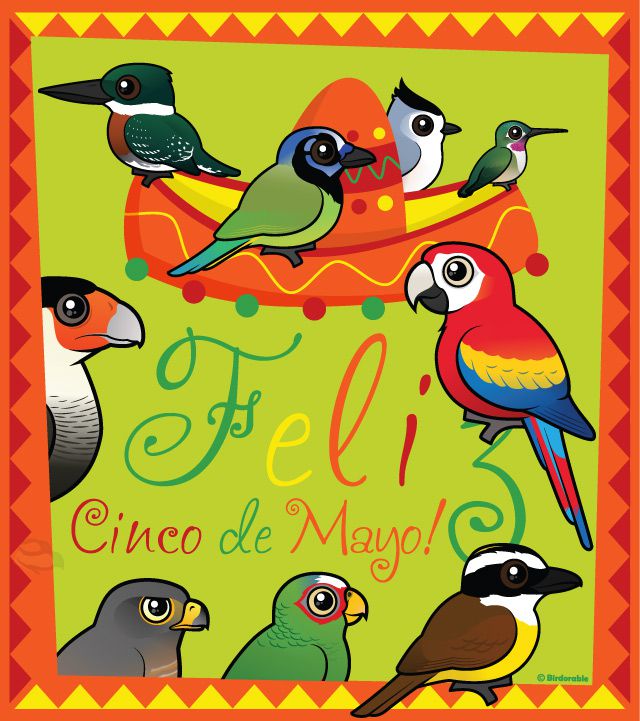
Today is Cinco de Mayo, a holiday celebrated on May 5th in the United States and Mexico.

Do you recognize all the birds in this picture? These birds can be found in Mexico. They are from top-left: Green Kingfisher, Green Jay, Black-crested Titmouse, Broad-tailed Hummingbird, Crested Caracara, Scarlet Macaw, Roadside Hawk, White-fronted Amazon and Great Kiskadee.

Feliz Cinco de Mayo with Birdorable birds

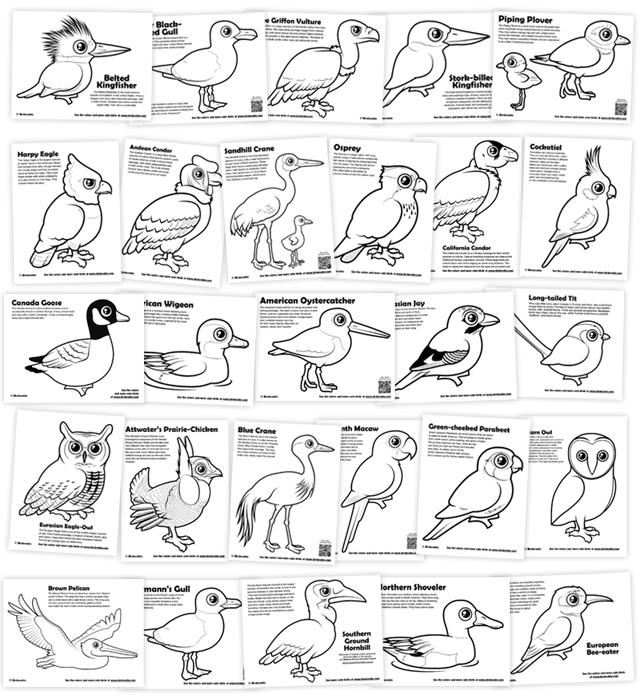
We recently added a couple of new coloring pages and we now have 100 different ones for your coloring pleasure. From Attwater's Prairie Chicken to White-rumped Vulture, we have birds from around the world, all cutified in the original Birdorable style. After downloading your favorites from our coloring pages section you can head over to Meet the Birds to view the original colors of each bird.

Birdorable Coloring Pages with Cute Birds

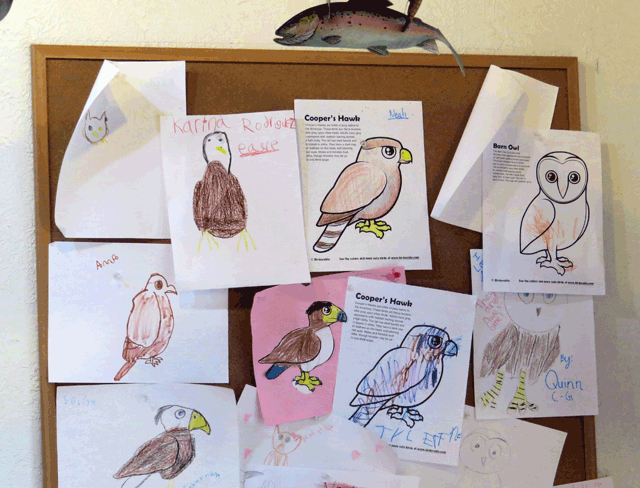
Have you used one of our coloring pages or other activity pages by yourself or at an educational event? Please let us know. We'd love to see photos of our fun downloads in action. We may even use your photos on our website if you give us permission.

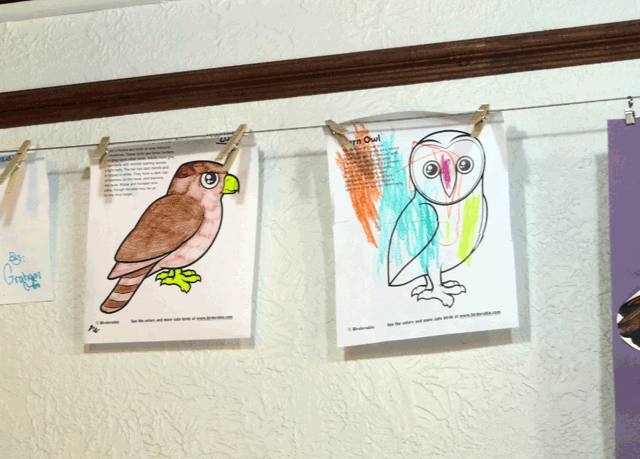
Here are some pictures of our coloring pages in action at the Audubon Center for Birds of Prey in Maitland, Florida:

Birdorable Coloring Pages at Audubon Center for Birds of Prey in Maitland, Florida

This week's highlighted t-shirt design features a cute pair of Sandhill Cranes in flight, shown here on our customizable Basic Long Sleeve T-Shirt from Zazzle. The cartoon birds on this graphic tee are illustrated in our signature Birdorable style. You can customize this gift by moving the birds around, changing the background color or style, and adding text or images -- make it your own! This will make a great gift for crane fans and birders. For more Birdorable cranes visit our new Cranes of the World page.

Sandhill Cranes in Flight Basic Long Sleeve T-Shirt

More t-shirt styles with this design

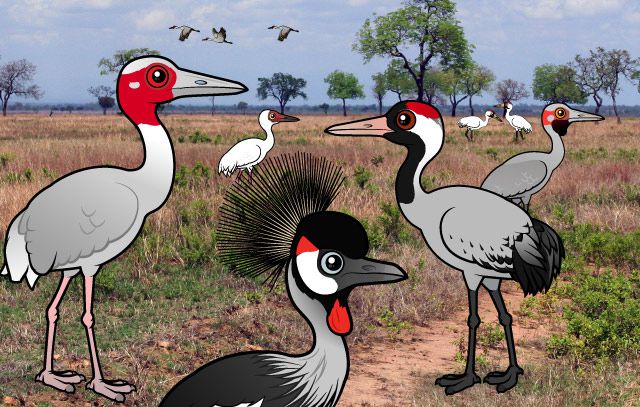
Birdorable cranes from around the world

We're wrapping up our week-long celebration of cranes with some more cool crane facts. These extreme facts show how diverse this amazing family of birds can be.

Oldest Crane
The average lifespan for wild cranes is typically between 20 years and 30 years. The longevity record for all crane species goes to the Siberian Crane. A bird living at the National Zoological Park of the Smithsonian Institute reached the ripe old age of 62! That bird passed in 1968. Another Siberian Crane, named Wolf, is in the Guinness Book of World Records for reaching 83 years of age!

Most Abundant
There are more Sandhill Cranes than any other species of crane in the world. There are an estimated 650,000 Sandhill Cranes found across North America.

Longest Migration
The Siberian Crane may fly up to 10,000 miles round trip in a year. Some birds breed in western Siberia and winter as far south as parts of India.

Most Endangered
With an estimated wild population of just over 430 birds, the Whooping Crane is the least abundant of all crane species. They have a conservation status of Endangered and are the subjects of conservation efforts from several groups. Whooping Cranes do breed in captivity and there are over 165 individuals at zoological facilities throughout the world.

Fancy Footwork
While all crane species perform some kind of dancing ritual as part of courtship and pair-bonding, Red-crowned Cranes are especially known for their fancy footwork. Pairs of Red-crowned Cranes will duet as they dance, moving rhythmically as they approach one another.


Highest Flyer
The Common Crane is one high-flying species! One bird was recorded flying at an altitude of up to 33,000 feet over the Himalayas. This record is second only to the Rüppell's Vulture flying up to an altitude of 37,000 feet.

Ancient Species
Sandhill Cranes have been around a very long time. In fact, their fossil history is among the longest of any living bird. Sandhill Crane fossils up to 2.5 million years old have been found.

Can't get enough of these amazing birds? Be sure to check out our great collection of cute and original crane apparel and gifts.

Birdorable Crane Gifts

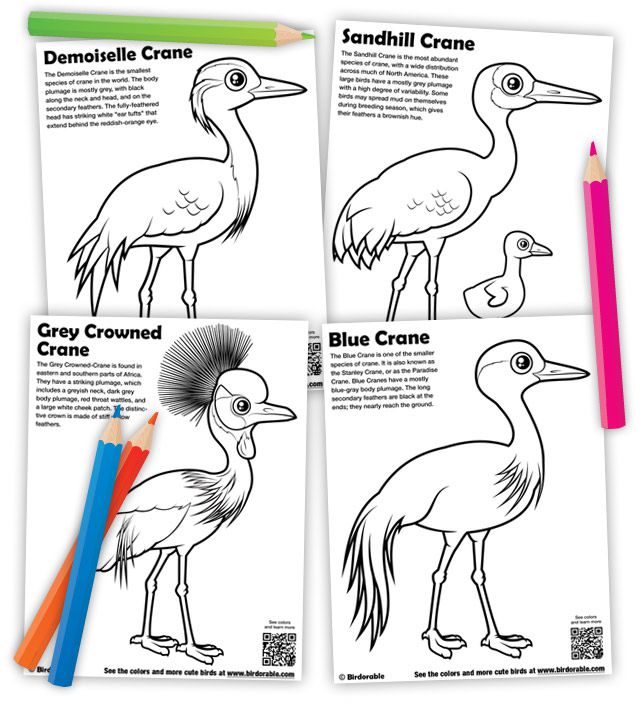
Happy Friday! We're celebrating cranes this week. Today we're sharing some fun free downloadable coloring pages.

Cranes tend to have a lot of grey, black, and white in their plumage (not counting the Painted Crane). Many cranes, like North America's Sandhill Crane, have a bare patch of red skin on the face or forehead. In fact, only two species of crane have fully feathered heads as adults: the Blue Crane and the Demoiselle Crane. The Grey Crowned-Crane manages to have a bare red patch on the head despite its magnificent crown of golden feathers. It also has a matching red throat wattle.

Crane coloring pages by Birdorable

Direct links to the coloring pages:

Find more coloring pages for other species on our free coloring page downloads. And be sure to check out the color schemes for these and all of our birds by visiting the Meet the Birds section of our site.

Have you used our coloring pages at home, in your classroom, or at an event? We’d love to hear about it! Send us photos of the pages in action, or the final result – we may showcase them on our blog!

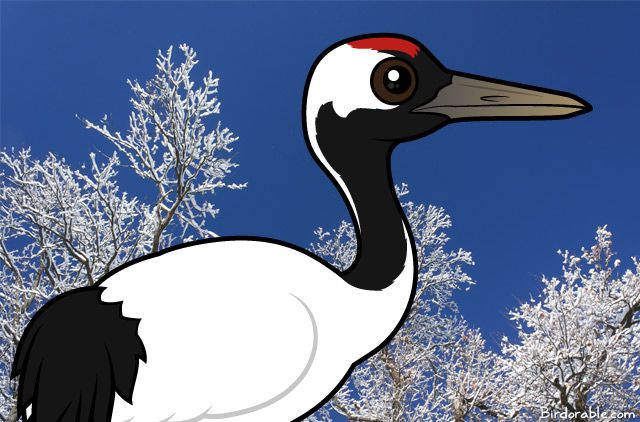
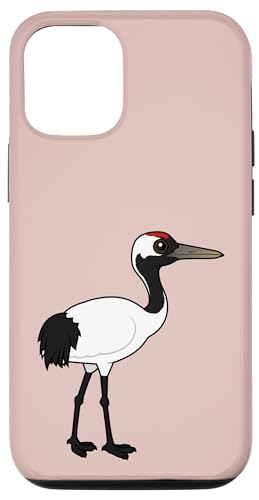
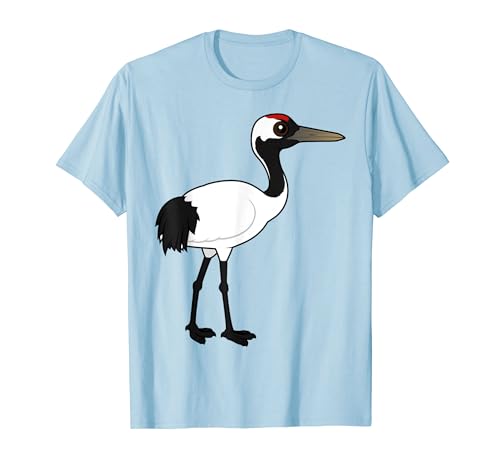
Birdorable Red-crowned Crane

This week we're celebrating the world's cranes! Crane Week highlights the 15 species of crane found around the world. Today's post is a feature on one of the most endangered species: the Red-crowned Crane.

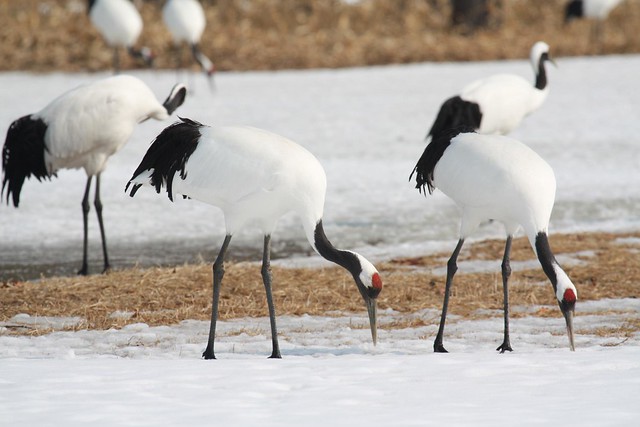
The Red-crowned Crane is named for the red "cap" of bare skin on the top of its head. The overall body plumage is white with black secondary (wing) feathers and black across the face and front of the neck.

Like other cranes, the Red-crowned Crane is an omnivore. Its diet includes insects, fish, and small rodents, as well as plant material like reeds, corn, and berries. They tend to eat more plant material during the winter months and feed more on prey animals during breeding season.

Red-crowned CranesRed-crowned Cranes by Alastair Rae (CC BY-SA 2.0)

Red-crowned Cranes are considered to be endangered; the species has held this status since 1970. There are two main breeding populations: the migratory population of approximately 1200 birds found in eastern Asia; and a resident, non-migratory population of about 900 birds residing in northern Japan. The major threat facing the species is loss of habitat due to human development.

The Red-crowned Crane is important in Japanese culture. A pair of the birds are found on the 1000 yen paper note. The official logo of Japan Airlines features a Red-crowned Crane in silhouette with its wings extended.

1000 yen paper note with Red-crowned Crane

The Red-crowned Crane is also important in Chinese culture. The species is a symbol of nobility; in mythology it is associated with immortal beings.

photos for zoo guideRed-crowned Crane by harum.koh (CC BY-SA 2.0)

We added the Red-crowned Crane to Birdorable on March 16, 2015. Be sure to check out our selection of gifts and novelties featuring our cute Red-crowned Crane!

Red-crowned Crane Gifts

What timing! In the middle of celebrating Crane Week, we have received breaking news that a new species of crane has been discovered!

Unbelievable news out of Bolivia this week as a new species of crane has been discovered breeding near the Salar de Uyuni, one of the world's largest salt flats, situated near the crest of the Andes Mountains in southwest Bolivia. The newly discovered crane is the first and only species known to live on the South American continent.

Dubbed the Painted Crane (Grus pictus) by the discoverer, ornithologist Recibido T. Pedroson, the crane is remarkable for its amazing colorful plumage. The majority of crane species have predominantly grey body plumage, but the Painted Crane does not follow this norm at all. The Painted Crane also has a fully feathered head, rare among the crane clan.

While more study is required and little is known of the species so far, Pedroson and his team were able to reveal some facts about this elusive species as they have been studying it for the last 16 months. Pairs typically raise two chicks each season. Chicks hatch out either completely black, or completely white (this seems unrelated to sex) and molt into their colorful plumage during the first 3 months of life.

Like other crane species, Painted Cranes are omnivorous. These birds have a strong preference for dragonflies, feeding on species such as Orthemis ambinigra, Erythrodiplax nigricans, Erythemis peruviana, and Diastatops intensa. Scientists theorize that the birds may achieve their colorful plumage through their diet of these colorful dragonflies.
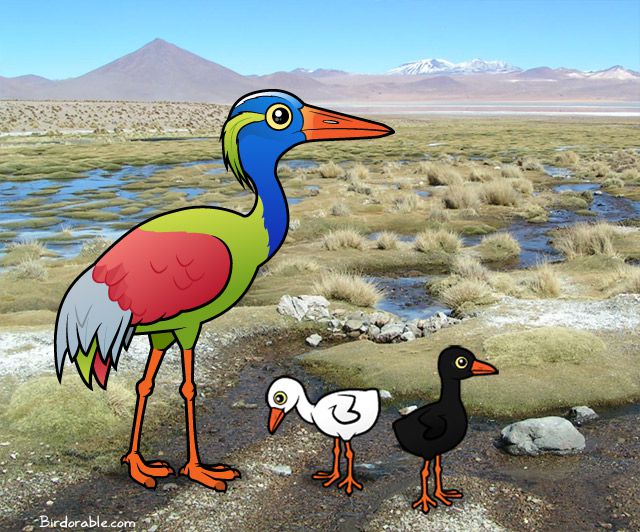
Birdorable Painted Crane

While there is some speculation as to why this large and colorful bird has gone unnoticed for so long and has only been discovered very recently, the leading theory has to do with today's date. April Fool!