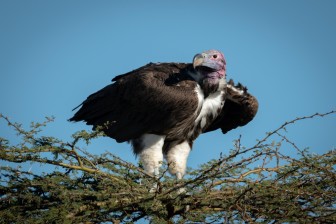
International Vulture Awareness Day is coming up this tomorrow, Saturday, September 6, 2025. We've celebrated vultures here on the Birdorable blog before, and we're continuing the tradition with a Vulture Week series leading up to the big day. We're going to share new posts and reiterate essential vulture facts, aiming to share information and vulture love with faithful readers and newcomers to our blog alike.

When people think of zoos, they often picture lions, giraffes, or penguins—but vultures? Not usually. And that’s exactly why vultures need a spotlight. Around the world, zoos and wildlife rehabilitation centers are doing critical behind-the-scenes work to support vulture conservation. They’re not just displaying animals—they’re helping save them.

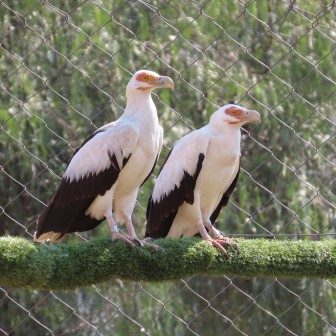
Palm-nut Vultures at VulPro

Captive vultures often serve as ambassadors, helping the public understand these misunderstood birds. Take Igor, a Black Vulture who lives at the Carolina Raptor Center in North Carolina. On Saturday, September 6, 2025, Igor will take center stage during International Vulture Awareness Day (IVAD) events. He’s a permanent resident who can’t return to the wild—but he plays an important role in education programs, helping people see vultures up close and maybe change their minds about these “scary” birds.

Across the country and around the world, zoos participate in IVAD by offering special talks, behind-the-scenes tours, and interactive exhibits. These events are more than fun days out—they’re opportunities to spread accurate information, bust myths, and encourage action. When people meet a vulture in person and learn about their role as nature’s clean-up crew, they’re more likely to care about protecting them.

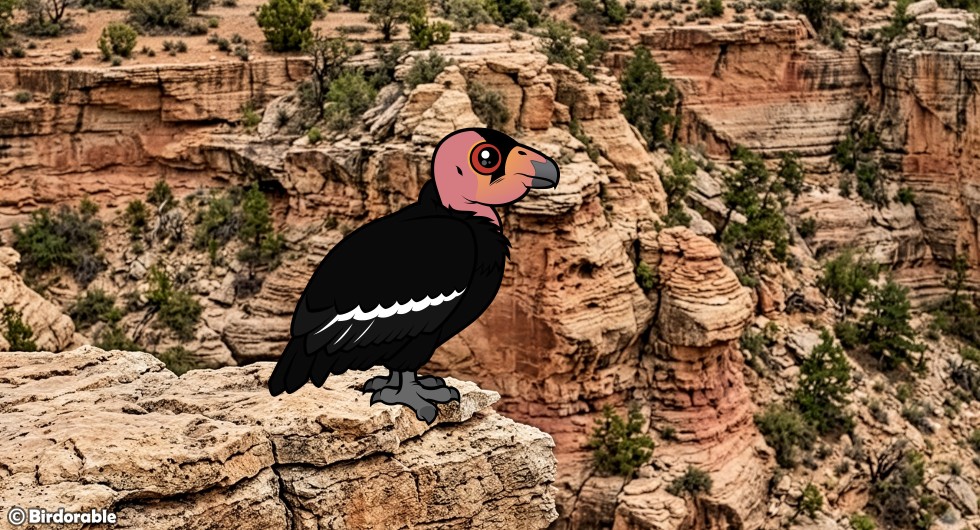
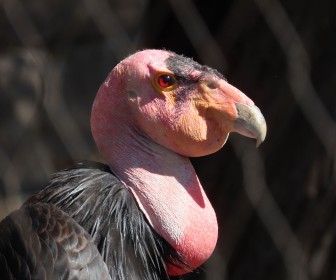
California Condor at the San Diego Safari Park

But zoos don’t stop at education. Many also support captive breeding and reintroduction programs. In South Asia, for example, birds raised in vulture conservation centers are being successfully reintroduced into safe zones as part of the Saving Asia’s Vultures from Extinction (SAVE) initiative. These birds are closely monitored and can help restore wild populations that were nearly wiped out by diclofenac poisoning.

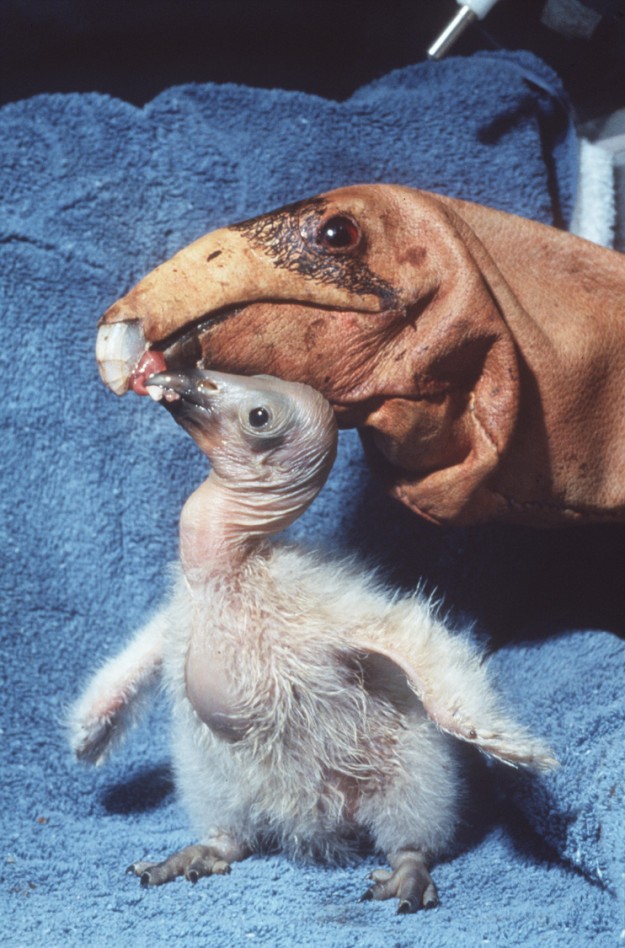
At the San Diego Zoo Safari Park, captive breeding of the California Condor has become a conservation success story in action. Once down to just 22 individuals in the wild, these majestic birds found a lifeline through pioneering conservation efforts in the 1980s. The park helped launch the first zoological propagation program as part of the California Condor Recovery Program, collaborating with partners like the Los Angeles Zoo and U.S. Fish and Wildlife Service. Innovative techniques—like removing the first-laid egg to encourage the bird to double-clutch and incubating eggs with puppets to avoid human imprinting—rapidly expanded the population. Thanks to these advances, captive-bred condors began being reintroduced into their native range in 1992. 

Wildlife rehabilitation centers play another crucial role: rescuing and releasing injured vultures. Whether it’s a Turkey Vulture hit by a car or a Black Vulture suffering from accidental poisoning, these birds get expert medical care and are returned to the wild whenever possible. For every vulture saved, a piece of the ecosystem is preserved.

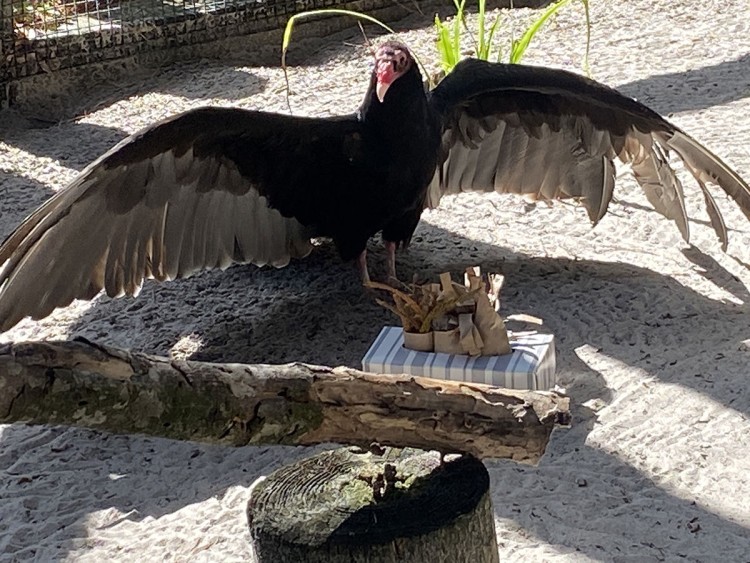
Mortimer, an ambassador Turkey Vulture at the Audubon Center for Birds of Prey in Florida

Even vultures that can’t be released still have purpose. They often join educational teams, becoming ambassadors like Igor. These birds connect people to conservation in a personal, memorable way. And just like zoos do, some rehabilitation and conservation centers breed endangered birds for eventual release. During our visit to Vulpro in 2023, we learned about their own captive breeding program, along with all of the other important vulture conservation work they do.

So what can you do? If you visit a zoo or raptor center, you’re not just seeing birds—you’re supporting organizations that protect species under serious threat. Talk to staff, attend a keeper chat, and spread what you learn. Buy a ticket, make a donation, or simply share your new knowledge online. Small steps can lead to big change.

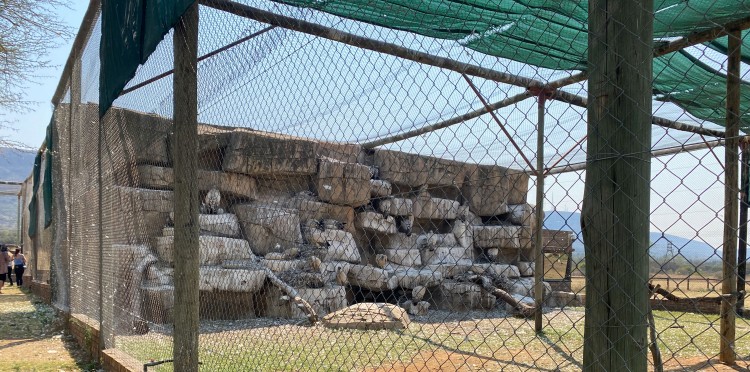
Vulture breeding enclosure at VulPro

In a time when vultures face global threats—from poisoning to habitat loss—zoos and rehab centers are safe havens and conservation powerhouses. They remind us that every species, even the least glamorous, deserves a fighting chance.

What will you do to celebrate vultures on their special day tomorrow? How have you shared your affection for vultures with others? Let us know!

Birdorable’s Halloween-themed vulture designs are the perfect mash‑up of spooky fun and feathered fascination, making them a must for your October wardrobe (and a fun blog feature for this Vulture Week!). Below are some standout goodies you can find right now.

Old World Vultures Halloween T-Shirt for Kids

Found on Zazzle

Your little one can join in the spooky fun with this Halloween vulture kids’ t-shirt!  This playful design features a group of cartoon-style Old World vultures perched around a pair of carved jack-o’-lanterns, combining a touch of Halloween whimsy with some bird-loving flair.

Printed on a comfy kids’ basic t-shirt, this design is perfect for trick-or-treating, Halloween parties, or just showing off a love for vultures in style. Comfortable enough for everyday wear and eye-catching enough for the season, it’s a fun way to celebrate both birds and Halloween.

Available now in our Zazzle shop, this shirt makes a unique and festive gift for young bird fans—or for anyone who loves vultures with a spooky twist!

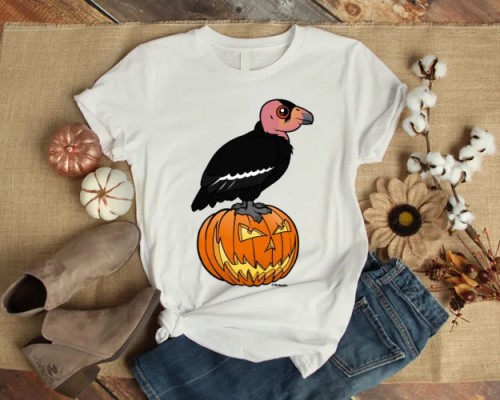
California Condor Halloween Unisex Adult T-Shirt

Get into the spooky spirit with this California Condor Halloween t-shirt!  This fun design features our cartoon-style California Condor perched proudly on top of a grinning jack-o’-lantern, making it the perfect mix of cute and creepy for the season. Printed on a soft and stylish Bella + Canvas unisex jersey tee, this shirt is comfortable, flattering, and available in a variety of colors and sizes to suit any Halloween wardrobe.

Whether you’re trick-or-treating, handing out candy, or just showing off your love for vultures during spooky season, this shirt makes a unique statement. Available now in our Etsy shop, it’s a must-have piece of vulture-themed Halloween merch. 

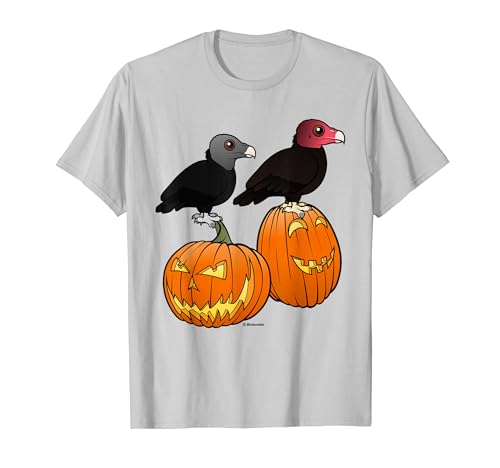
New World Vultures Celebrate Halloween T-Shirt for Adults

Found on Amazon

Celebrate spooky season with this Halloween vulture t-shirt, featuring our common North American vultures, the Turkey Vulture and the Black Vulture. Here these vultures are perched on top of carved jack-o’-lanterns, blending festive Halloween vibes with a unique bird theme.

Printed on a standard unisex t-shirt, this design is perfect for casual wear throughout October and especially fun for Halloween events. Available in a range of sizes and colors, it’s a great choice for bird enthusiasts, vulture fans, or anyone looking for a creative seasonal shirt.

Find it now in our Amazon shop and add a touch of vulture charm to your Halloween wardrobe.

International Vulture Awareness Day is coming up this Saturday, September 6, 2025. We've celebrated vultures here on the Birdorable blog before, and we're continuing the tradition with a Vulture Week series leading up to the big day. We're going to share new posts and reiterate essential vulture facts, aiming to share information and vulture love with faithful readers and newcomers to our blog alike.

Vultures aren’t just tough—they’re incredibly well-designed for the important job they do. Every part of their body and behavior is adapted to help them survive on a diet of carrion and thrive in environments where other animals would struggle. From disease-fighting guts to clever teamwork, vultures are full of surprises. Here are some of the coolest vulture adaptations that make these birds so remarkable.

Stomach of Mass Digestion

Vultures have one of the most acidic digestive systems in the animal kingdom. Their stomach acid is strong enough to break down rotting meat loaded with bacteria and viruses—things that would kill most other animals. This adaptation helps protect not just the vultures themselves, but the environment, too. By consuming carcasses that might otherwise spread diseases like anthrax, rabies, or botulism, vultures act like natural disinfectants.

Scents and Sensibility

Most birds rely on sight more than scent—but not all vultures. In the New World, especially, species like the Turkey Vulture have an incredible sense of smell. Their olfactory bulbs are unusually large for birds, allowing them to detect the scent of decaying animals from high in the air, even if the carcass is hidden under leaves or forest cover. This powerful nose helps them find food where others can’t.

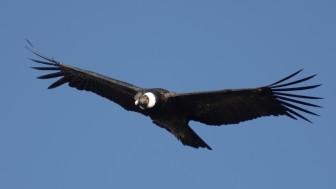
Soaring Andean Condor

Winging It

Vultures are masters of the air. Instead of flapping constantly, they use rising columns of warm air called thermals to glide for hours with minimal energy. This is especially useful for scavengers, who may need to cover wide territories to find food. Soaring lets them search efficiently, scan the ground below, and conserve energy all at once. Their large wingspans—some over 9 feet—make them some of the most graceful gliders in the sky.

The Bald and the Bacteria-less

One of the most recognizable vulture features is also one of the most useful. That bald, featherless head might look odd, but it serves an important purpose. When vultures feed, they often need to reach deep into carcasses. If their heads were covered in feathers, bacteria and decaying material would cling to them and cause infections. A bald head stays cleaner and dries quickly in the sun, reducing the risk of disease.

Scavenger Squad Goals

Different vulture species sometimes work together—intentionally or not—to get the job done. In parts of Central and South America, Lesser and Greater Yellow-headed Vultures use their keen sense of smell to locate a carcass. But they don’t have the strongest beaks. Enter the King Vulture, whose powerful bill can tear through thick hides and open the carcass for everyone else to join the feast. This is a team effort that benefits all. Vultures can be very social and in areas where multiple species share the same habitat, they may also amicably share a meal.

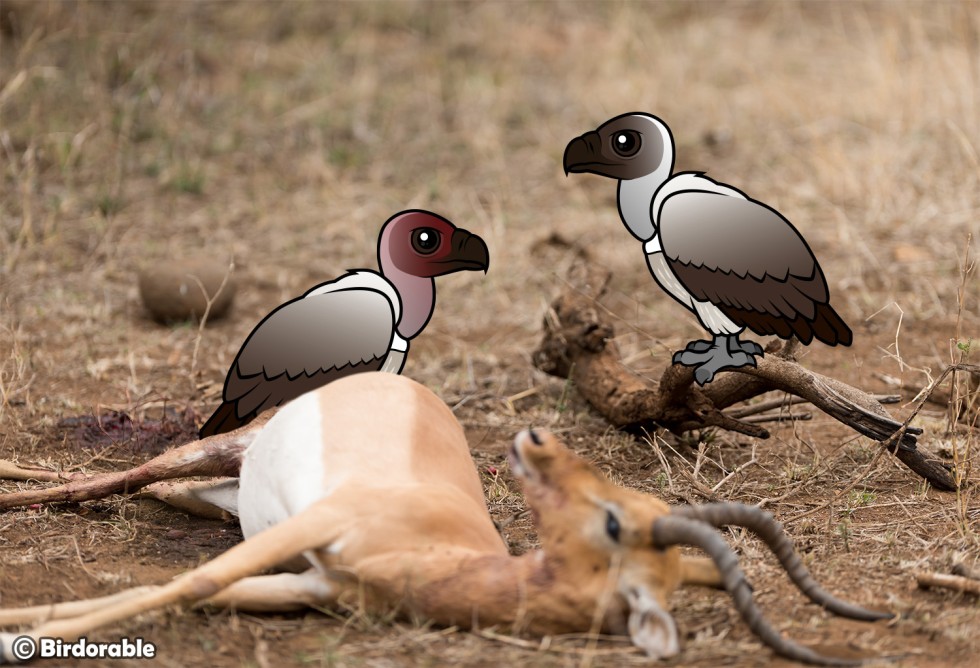
White-backed and Lappet-faced Vultures together by Bernard Dupont [CC BY-SA 2.0]

Silent But Deadly Efficient

Unlike most birds, vultures are almost completely silent—they don’t sing or call, and that’s because they lack a syrinx, the vocal organ responsible for bird song. But this isn’t a flaw—it’s another adaptation that fits their lifestyle. Vultures don’t need complex calls to attract mates or defend territory like songbirds do. They rely more on visual cues and body language. Staying quiet can also help them feed more stealthily at carcasses without alerting predators or competitors. And by skipping the energy cost of vocal communication, vultures can put more energy into soaring long distances in search of food.

These smart adaptations let vultures do a job that’s messy, dangerous, and absolutely critical. They’ve evolved not just to survive, but to keep ecosystems clean and balanced. As we approach International Vulture Awareness Day, it’s the perfect time to look beyond their misunderstood image and admire what makes vultures so uniquely suited to their role in the natural world.

International Vulture Awareness Day is coming up this Saturday, September 6, 2025. We've celebrated vultures here on the Birdorable blog before, and we're continuing the tradition with a Vulture Week series leading up to the big day. We're going to share new posts and reiterate essential vulture facts, aiming to share information and vulture love with faithful readers and newcomers to our blog alike.

Vultures have always had a complicated place in human culture. While some people see them as ominous or gross, others view them as powerful symbols of life, purity, and balance. The truth is, vultures are deeply embedded in myths, beliefs, and pop culture—and those stories shape how we view them today.

In ancient Egypt, vultures were anything but scary. They were seen as protective and nurturing. The goddess Nekhbet, often depicted as a vulture with outstretched wings, was a symbol of motherhood and royal authority. Vultures were believed to be attentive and devoted mothers, which earned them sacred status. Nekhbet protected the pharaoh and the land, and her image was worn as a protective amulet. Far from being feared, vultures were seen as guardians and symbols of care.

But cultural views vary widely. In many Western stories, vultures became associated with death and decay. The sight of a vulture circling in the sky—waiting for something to die—was interpreted as sinister. Over time, this idea took hold in books, cartoons, and movies. Vultures were cast as villains or harbingers of doom, reinforcing a negative image that still lingers in popular culture.

In truth, vultures circling in the sky aren’t waiting for anything—they’re riding thermal currents to conserve energy while searching for food. It’s efficient, not eerie. And their job? Cleaning up the environment by eating dead animals before disease has a chance to spread. It's one of the most important ecological services any animal provides.

Not all cultures focus on the morbid side of vultures. In Tibet and parts of India, sky burials are a traditional funerary practice in which vultures (and other scavengers) consume human remains left on mountaintops. This isn’t viewed as horrifying—it’s seen as a final, sacred act of generosity, where the body is returned to nature and continues the cycle of life.

Today, vultures are also becoming symbolic in new ways. Conservationists and artists are embracing them as icons of ecological renewal, patience, and balance. Because vultures are often misunderstood, they’ve come to represent the idea that things aren’t always what they seem—and that even the most overlooked creatures can play a vital role in the world.

By understanding vultures through a cultural lens, we can shift how they’re perceived. They’re not villains; they’re vital. International Vulture Awareness Day (IVAD) is a great time to explore these stories and share them with others. By connecting vultures to history, mythology, and cultural values, we help people see them in a new light—not as symbols of death, but as reminders of life, renewal, and ecological balance. Be sure to check out our Vultures of the World page to find out more about our amazing avian friends and see our free vulture resources and activity downloads.

Vultures and condors come with a host of quirky nicknames—some endearing, some downright odd. Exploring these names is like uncovering a mini time capsule of cultural, historical, and regional perspectives on these misunderstood birds.

Ossifrage and Lammergeier

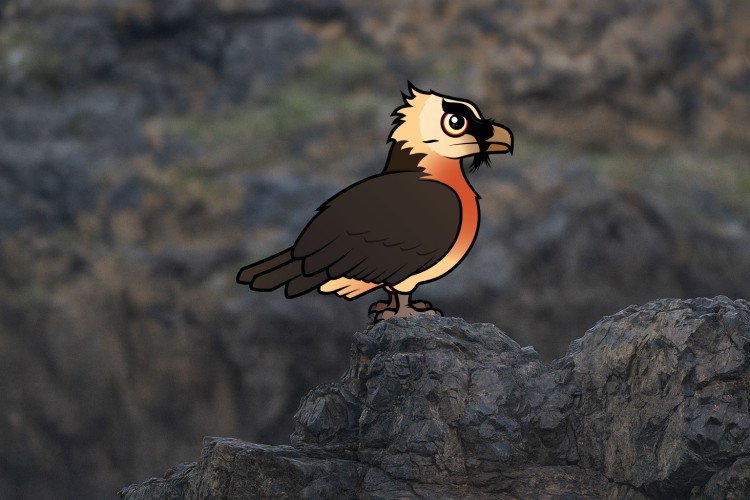
The Bearded Vulture goes by a couple of striking names. The name Lammergeier comes from German, meaning lamb‑vulture. This stems from old beliefs that these magnificent birds preyed on young lambs. Another name, no longer in common use, Ossifrage, means bone-breaker. 

Pharaoh’s Chicken

The Egyptian Vulture is also known by the playful nickname Pharaoh’s Chicken. In ancient Egypt, the species was revered as sacred, and associated with the goddess Nekhbet, seen as a protector of the pharaoh and families. Its image even appeared in hieroglyphs and royal symbolism, earning it this memorable moniker. The bird was both common and royal, giving it the funny nickname.

Cinereous Vulture by Jean Ogden Just Chaos Photography [CC BY 2.0]

Monk Vulture

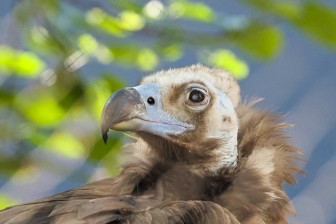
The largest Old World species, the Cinereous Vulture, is sometimes called the Monk Vulture, or simply Monk. This alternative name refers to the bald head and the hood-like ruff of feathers that evoke a monk’s cowl. 

John Crow

In some parts of the Caribbean, the Turkey Vulture is also known as John Crow. You can learn more about the meaning behind this name and other lore shared through generations in Jamaica about this common bird from the post on 10,000 Birds: Headman John Crow.

Buzzards, Vultures, and Hawks, Oh My!

In North America, New World vultures are sometimes called buzzards, a term historically reserved for Old World buteos like hawks. For instance, the Turkey Vulture may be called a Turkey Buzzard, or even Red-necked Buzzard. This mix-up arises because buzzard actually refers to a different group of birds in Europe. It's technically a mislabel, but entrenched in the vernacular.  Early North American settlers from the Old World may have mistaken soaring vultures for the familiar buzzards they knew back home, and the name stuck.

Why These Names Matter

Nicknames offer a peek into the culture and history surrounding a species. Some reflect ancient beliefs, others regional habits, and even glimpses into human creativity -- or misunderstanding.

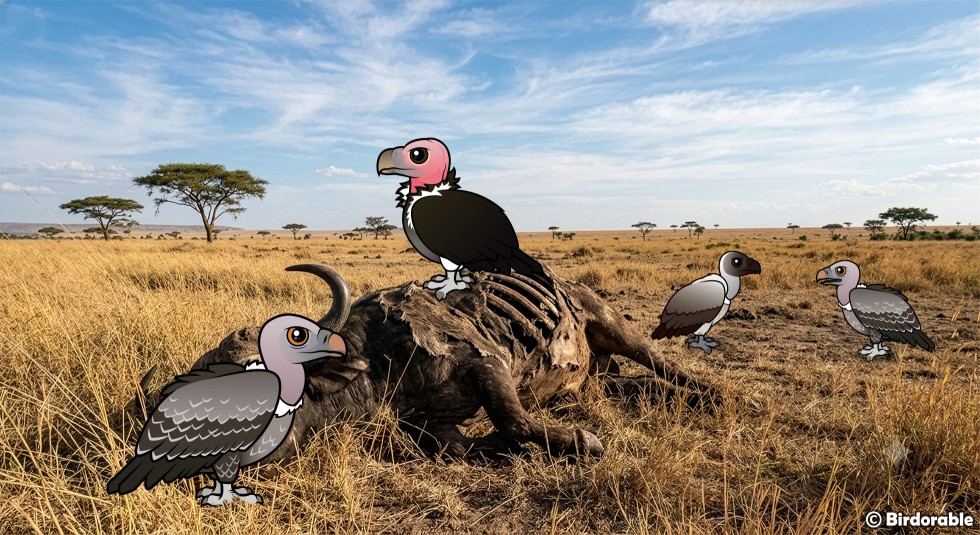
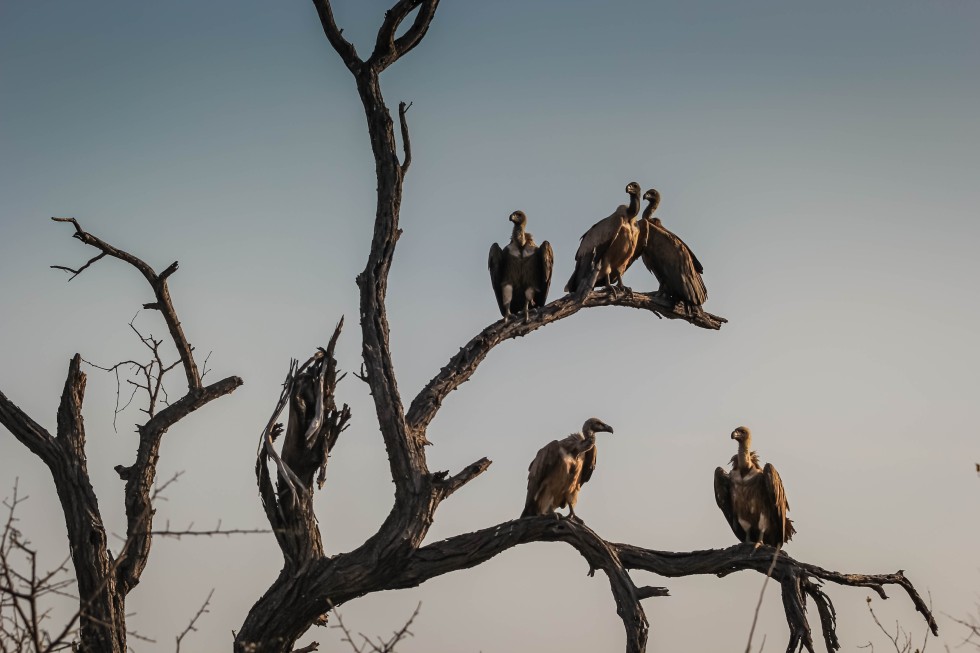
White-backed Vultures (Critically Endangered)

International Vulture Awareness Day is coming up this Saturday, September 6, 2025. We've celebrated vultures here on the Birdorable blog before, and we're continuing the tradition with a Vulture Week series leading up to the big day. We're going to share new posts and reiterate essential vulture facts, aiming to share information and vulture love with faithful readers and newcomers to our blog alike.

Vultures play a quiet but powerful role in the natural world. We know that they help keep ecosystems healthy by removing dead animals, which limits the spread of disease and supports biodiversity. But despite their importance, many vulture species are in serious trouble. Today, more than 70% of the world’s vultures are in decline, and several species are on the brink of extinction.

In South Asia, the crisis hit suddenly and hard. Populations of three species of Gyps vultures—the Indian Vulture, Slender-billed Vulture, and White-rumped Vulture—crashed by more than 99% in just a few years. The cause? A common veterinary drug called diclofenac. When livestock treated with the drug die and their carcasses are left out, vultures feeding on them suffer fatal kidney failure. The impact has been devastating, and the ecological fallout continues.

Across Africa, the threats are different but just as dangerous. Poisoning is a major issue—sometimes unintentional, sometimes deliberate. In some cases, poachers poison animal carcasses to kill vultures, which might otherwise reveal illegal activity to authorities. Other times, vultures are poisoned by pesticides or chemicals intended for problem predators. Habitat loss and the illegal wildlife trade also contribute to population declines. Seven out of eleven African vulture species are now considered globally threatened.

But the situation isn’t hopeless. Conservation groups are stepping up to turn things around. In South Asia, the SAVE initiative (Saving Asia’s Vultures from Extinction) has made real progress. Diclofenac has been banned in several countries, and captive breeding programs have successfully raised healthy vultures for future release. Protected “vulture safe zones” have been established to create safer habitats for wild populations.

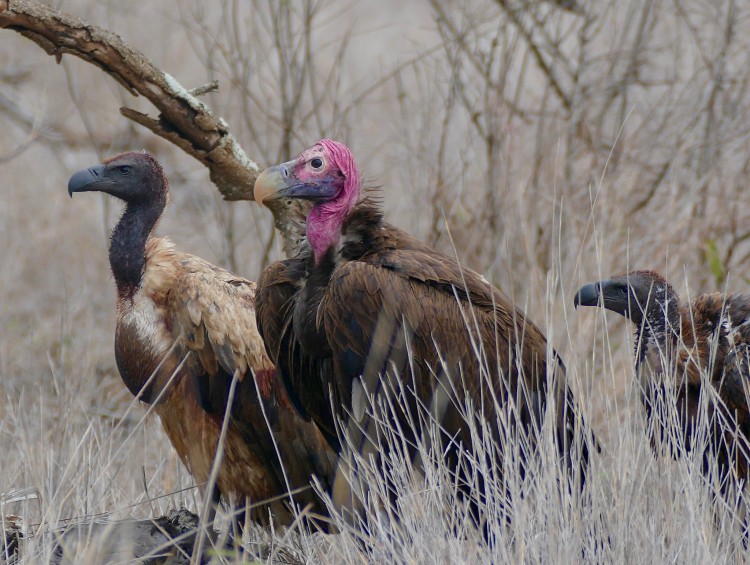
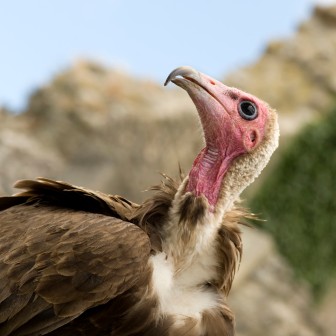
Hooded Vulture (Critically Endangered)

In Africa, groups like the Vulture Conservation Foundation are working with local communities to reduce poisoning, monitor populations, and spread awareness about the birds’ importance. Anti-poisoning response teams are being trained and deployed, and educational campaigns are helping reduce demand for vulture parts used in traditional medicine.

One of the most powerful tools for vulture conservation is public awareness—and that’s where International Vulture Awareness Day (IVAD) comes in. Held on the first Saturday of September each year (September 6 in 2025), IVAD brings together zoos, conservation groups, educators, and bird lovers to share knowledge and celebrate vultures. From August through October, events around the world shine a spotlight on these misunderstood birds and the efforts to save them.

Vultures are in crisis, but with awareness, action, and collaboration, their future doesn’t have to be bleak. These birds may not be flashy, but their role is irreplaceable. Let’s not wait until it’s too late to appreciate—and protect—them.  Visit our Vultures of the World page to find out more about these amazing and endangered avian friends, and see our free vulture resources and activity downloads.

International Vulture Awareness Day is coming up this Saturday, September 6, 2025. We've celebrated vultures here on the Birdorable blog before, and we're continuing the tradition with a Vulture Week series leading up to the big day. We're going to share new posts and reiterate essential vulture facts, aiming to share information and vulture love with faithful readers and newcomers to our blog alike.

When you hear the word vulture, what comes to mind? For many people, it’s an image straight out of a cartoon or horror movie: a creepy bird lurking around something dead or dying, waiting to pounce. But that image is more fiction than fact. In reality, vultures are among the cleanest birds in the natural world. And their role is truly essential. Let’s challenge the idea that vultures are “gross” and uncover the real story behind these misunderstood birds.

One of the most common myths is that vultures are dirty or spread disease. Actually, it’s the opposite. Vultures are nature’s sanitizers. They feed on dead animals, removing potential disease sources before bacteria and viruses have a chance to spread. Their stomach acid is extremely strong—so acidic that it can break down deadly pathogens like botulism, anthrax, and rabies. Other animals could get sick from eating decayed meat, but vultures are built for it.

Another built-in hygiene feature? Many vultures, including Turkey Vultures and Black Vultures, urinate on their own legs. As weird as that sounds, it’s actually a clever self-cleaning mechanism. The uric acid in their waste kills bacteria they might pick up while walking on carcasses. It also helps cool them down in hot weather. It’s not glamorous, but it’s smart—and it works.

What about their bald heads? People may feel that vultures look “ugly” or “creepy” because of their featherless faces. But this is another amazing adaptation. When vultures feed, they often need to put their heads deep into carcasses. Feathers would trap blood, bacteria, and other nasty stuff. Bare skin stays much cleaner and dries quickly in the sun, reducing the chance of infection. Their heads might look a little strange, but they’re designed for staying clean while doing a dirty job.

Another misconception is that vultures are lazy, or rely on other birds or animals to do all the work. In reality, vultures are highly efficient scavengers. They often soar for miles using thermal updrafts to search for food with incredible eyesight—and in some species, like the Turkey Vulture, an exceptional sense of smell. They can locate carrion that’s hidden beneath vegetation or not visible from above.

And their role in ecosystems? Absolutely critical. Vultures help stop the spread of disease by quickly removing animal remains. Without them, carcasses would linger much longer, allowing bacteria and viruses to multiply and spread. When vulture populations decline, cases of rabies and other diseases in both animals and humans increase. Their absence creates a ripple effect that can seriously damage entire ecosystems and even public health. How decline of Indian vultures led to 500,000 human deaths is an eye-opening article from the BBC.

Sadly, vulture populations are shrinking in many parts of the world. In South Asia, vulture numbers collapsed after the widespread use of the veterinary drug diclofenac, which is fatal to vultures when they eat livestock treated with it. In Africa, many vultures die from poisoning—sometimes accidentally, sometimes deliberately by poachers trying to hide illegal kills. 

This Vulture Week, take a second look at these incredible birds. They might not be the flashiest or cutest at first glance, but vultures are ecological MVPs. They’re highly specialized, incredibly efficient, and deeply misunderstood. Rather than calling them gross, we should be calling them heroes.

And be sure to check out our Vultures of the World page to find out more about our amazing avian friends and see our free vulture resources and activity downloads.

Gear Up for International Vulture Awareness Day 2025 with Birdorable Vulture Tees

International Vulture Awareness Day is coming up on Saturday, September 6, 2025, and it's the perfect time to celebrate these critical, though often misunderstood, birds. Observed on the first Saturday of September each year, IVAD shines a spotlight on vultures'; vital ecological roles; from cleaning up carcasses to helping stop the spread of disease — and raises awareness about the threats they face. 

Vultures play nature’s cleanup crew — rapidly consuming dead animals before harmful pathogens can spread. Their powerful stomach acids are a safeguard for wildlife and human communities alike, digesting bacteria and viruses that would otherwise pose serious health risks. It’s no exaggeration to call vultures ecological heroes.

This year, as part of our IVAD celebration, we're excited to showcase several vulture-themed shirts from Birdorable — perfect for fans, birdwatchers, and anyone who loves quirky, meaningful designs. Check out some of our favorites below. These are available from our Amazon shop and ship quickly with Prime. You can get your swag for IVAD in time to celebrate on September 6th!

International Vulture Awareness Day Swag from Birdorable

More Birdorable Vulture Swag for International Vulture Awareness Day

These shirts are fun to wear, in part because they make great conversation starters. Wearing one is a gentle, fun reminder of vultures' underrated importance. For IVAD, be sure to look out for upcoming Birdorable posts diving deeper into vulture topics as we will celebrate Vulture Week leading up to the big day. International Vulture Awareness Day gives us a chance to rethink our ideas about vultures' longer ominous harbingers, but essential guardians of ecological balance. Feel free to embrace that spirit, whether by wearing a vulture tee or joining an event (virtual or local). Let's help these feathered superheroes get the appreciation they deserve.

Birdorable vulture coloring pages

Tomorrow is International Vulture Awareness Day and Birdorable has you covered with our FREE downloadable coloring pages featuring all 23 species of vultures! These magnificent birds play a crucial role in maintaining healthy ecosystems, and this special day highlights the importance of their conservation.

Why Vultures Matter 

Vultures might not always get the love they deserve, but they are nature's clean-up crew. By consuming dead animals, they help prevent the spread of disease and keep ecosystems in balance. Unfortunately, many vulture species face threats like habitat loss, poisoning, and declining food sources. That's why it's more important than ever to raise awareness about these vital birds.

Fun and Educational Coloring Pages 🎨

Our vulture coloring pages are not only a fun activity for bird lovers of all ages, but they also offer a great opportunity to learn about the different vulture species. From the striking California Condor to the graceful Griffon Vulture, each page highlights unique features of these birds.

You can download your free vulture coloring pages right here on Birdorable! Each page is easy to print, so you can start coloring right away. Whether you prefer to keep things realistic or get creative with colors, these pages are perfect for bird fans of all ages. Check out our vultures page to see the actual colors of all birds.

👉 Download your vulture coloring pages here

Spread the Word! 🌍

International Vulture Awareness Day is the perfect time to share your love for vultures. After you've colored your favorite vultures, share your artwork on social media and tag us with #Birdorable. Let’s show the world how awesome vultures are!

Let’s Support Vulture Conservation 💚

While coloring is fun, vultures need our help. Consider supporting organizations dedicated to vulture conservation and raising awareness about the challenges these birds face. Together, we can ensure that future generations will continue to benefit from the vital role vultures play in nature.

This International Vulture Awareness Day, let’s celebrate these often misunderstood but incredible birds by sharing our coloring creations and spreading the word about their importance. Happy coloring! 

Birdorable King Vulture

The King Vulture is a striking bird with vibrant colors and a powerful presence, found throughout Central and South America. It’s one of the largest vultures in the New World, and it certainly lives up to its royal name with its impressive size and striking appearance. King Vultures play a key role in their ecosystems as scavengers, helping to keep the environment clean by feeding on the remains of dead animals.

The King Vulture is a visually stunning bird. Its body is mostly white, with black-tipped wings and tail feathers, but the most eye-catching part of this bird is its head. The King Vulture’s bare head and neck are covered in a mix of bright orange, yellow, and bluish skin. Its beak is also brightly colored, with a distinct fleshy crest, called a caruncle, on top that adds to its unique look. 

King Vulture by Eric Kilby (CC BY-SA 2.0)

These vultures are quite large, with wingspans reaching up to 6.6 feet, and they can weigh between 6 to 10 pounds. Despite their size, King Vultures are highly efficient gliders, able to soar for long periods while searching for food. Their impressive ability to fly without flapping their wings helps them conserve energy as they cover large distances looking for carcasses to feed on.

King Vultures are usually found in tropical lowland forests, where they play an important role as nature's cleanup crew. They primarily feed on carrion, and like other vultures, they rely on their excellent sense of smell and sharp eyesight to locate food. Although they often arrive late to a carcass, after other vultures like Turkey Vultures have found it, they use their powerful beaks to tear open tough hides, which smaller vultures can’t penetrate as easily. This teamwork benefits many scavengers in the area.

King Vultures by Bart van Dorp (CC BY 2.0)

King Vultures are generally solitary or found in small groups. They don’t have the same social behavior seen in other vulture species, and they are more likely to dominate feeding sites thanks to their size and strength. While they aren’t picky about what kind of animal remains they eat, King Vultures prefer freshly dead animals, and they are often seen feeding alongside other scavengers like mammals and insects.

King Vultures tend to nest in hollow trees, laying just one egg at a time. Both parents share the responsibility of incubating the egg for about 55 days. Once the chick hatches, both the female and male take turns feeding it by regurgitating food. The chick grows rapidly and leaves the nest around 3 months old, but it will still rely on its parents for food for a while longer.

While King Vultures are not currently considered endangered, their populations are declining in certain areas due to habitat loss and deforestation. As forests are cleared for agriculture or development, the vultures lose their nesting sites and hunting grounds. Like other scavenger species, they are also vulnerable to poisoning from chemicals used in agriculture or from consuming carcasses tainted by such human activity.

The King Vulture joined Birdorable on August 23, 2012.